Journal
Short notes on the objects behind our relic packs: what they were, who made them, and what archaeology still shows. History first, scene ideas only when they help.

Egypt
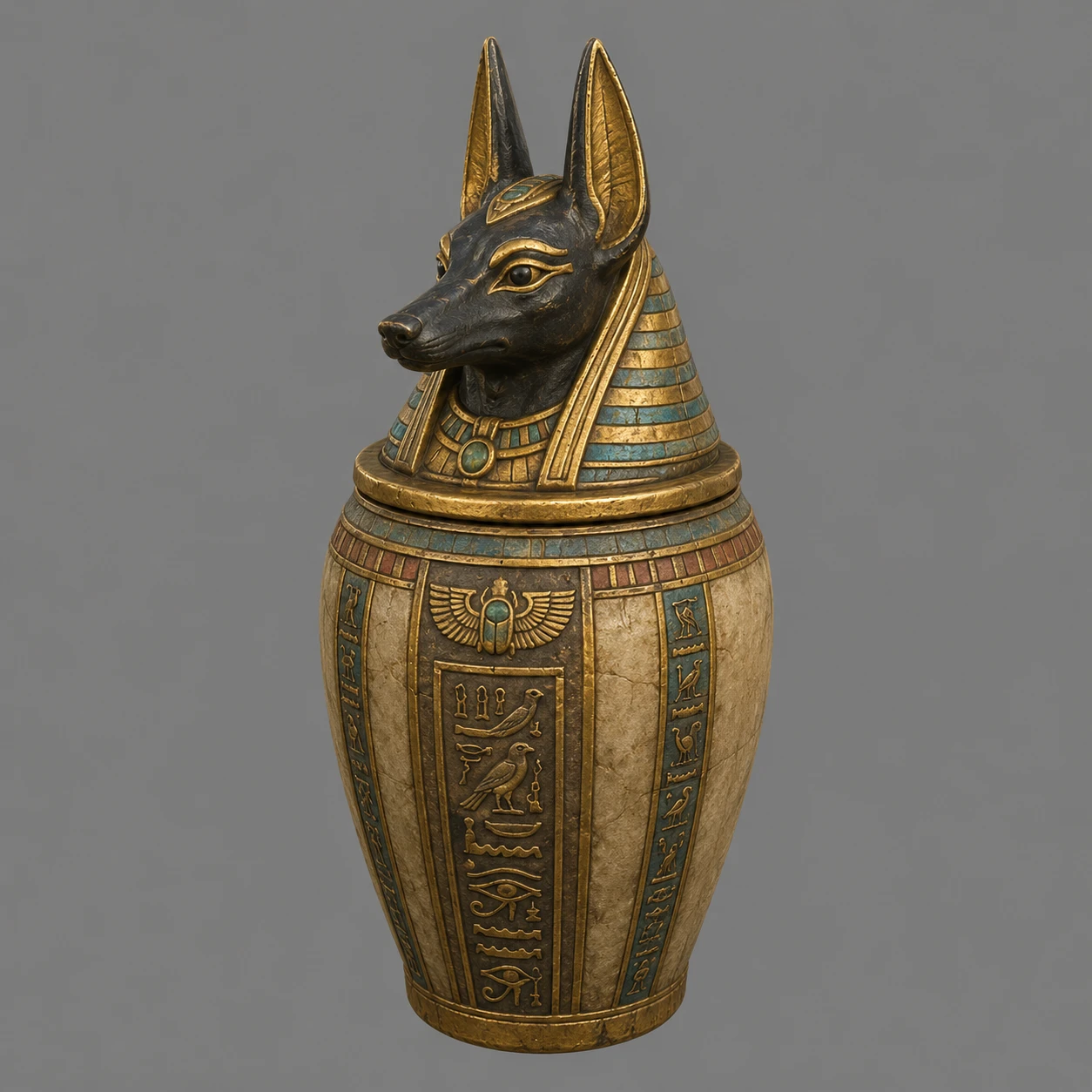
- Canopic Jars: Four Guardians for the Organs Canopic jars held organs removed during mummification. New Kingdom lids show the Four Sons of Horus; a Psamtek faience set is in the British Museum.
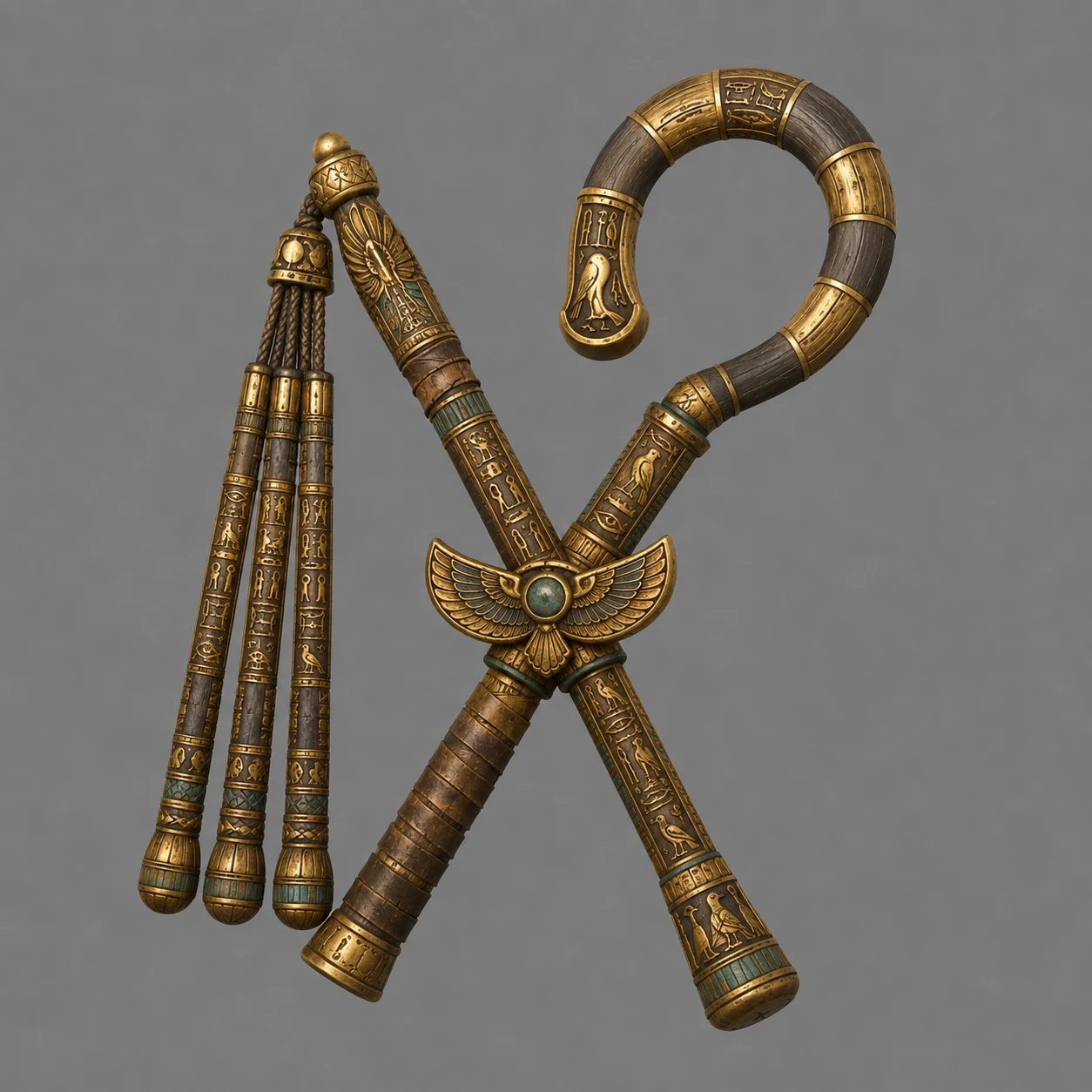
- Crook and Flail: Shepherd's Staff and Harvest Whip of the King The crook (heka) and flail (nekhakha) marked pharaonic rule from Predynastic Egypt through Osiris cult. Middle Kingdom tomb pairs survive at the Met.
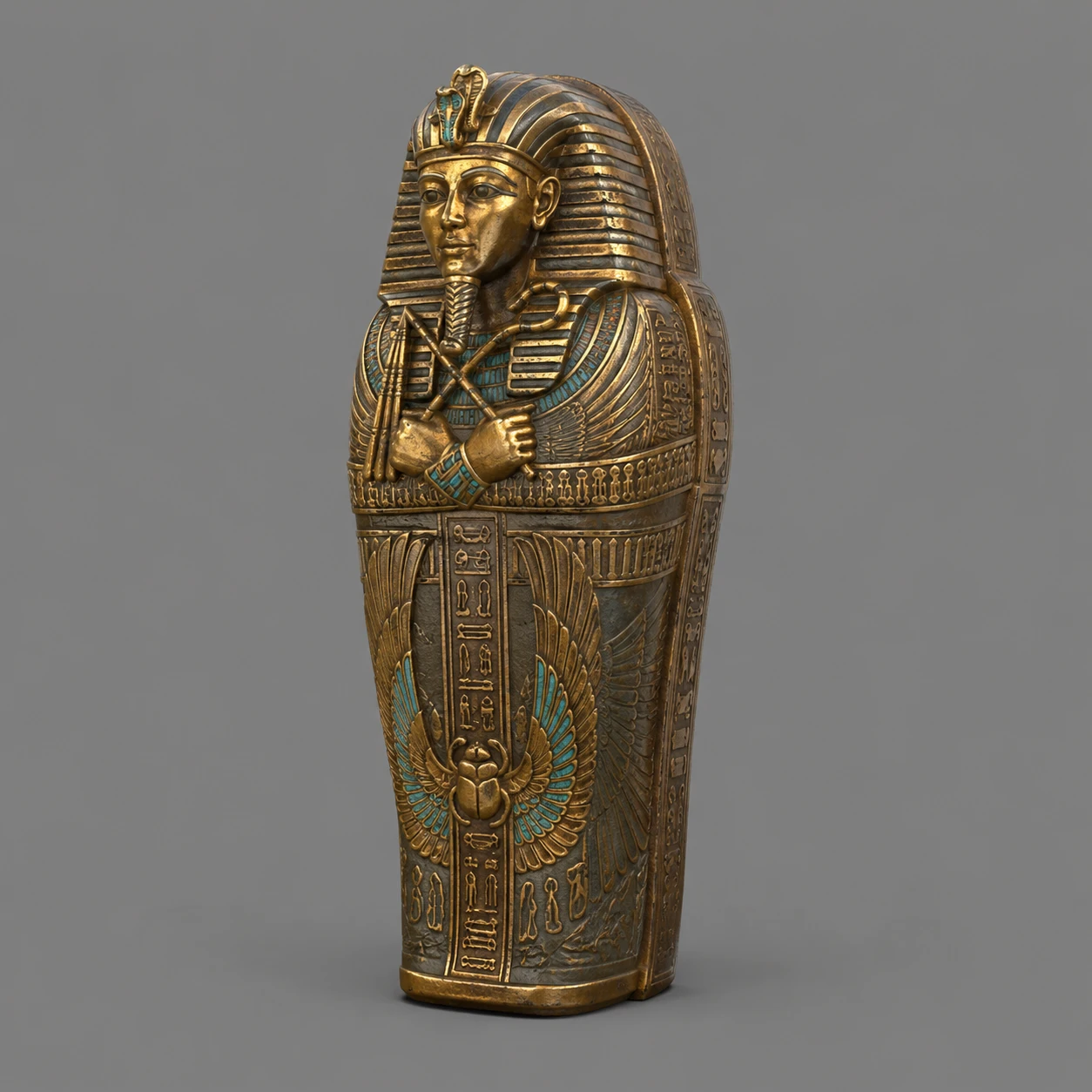
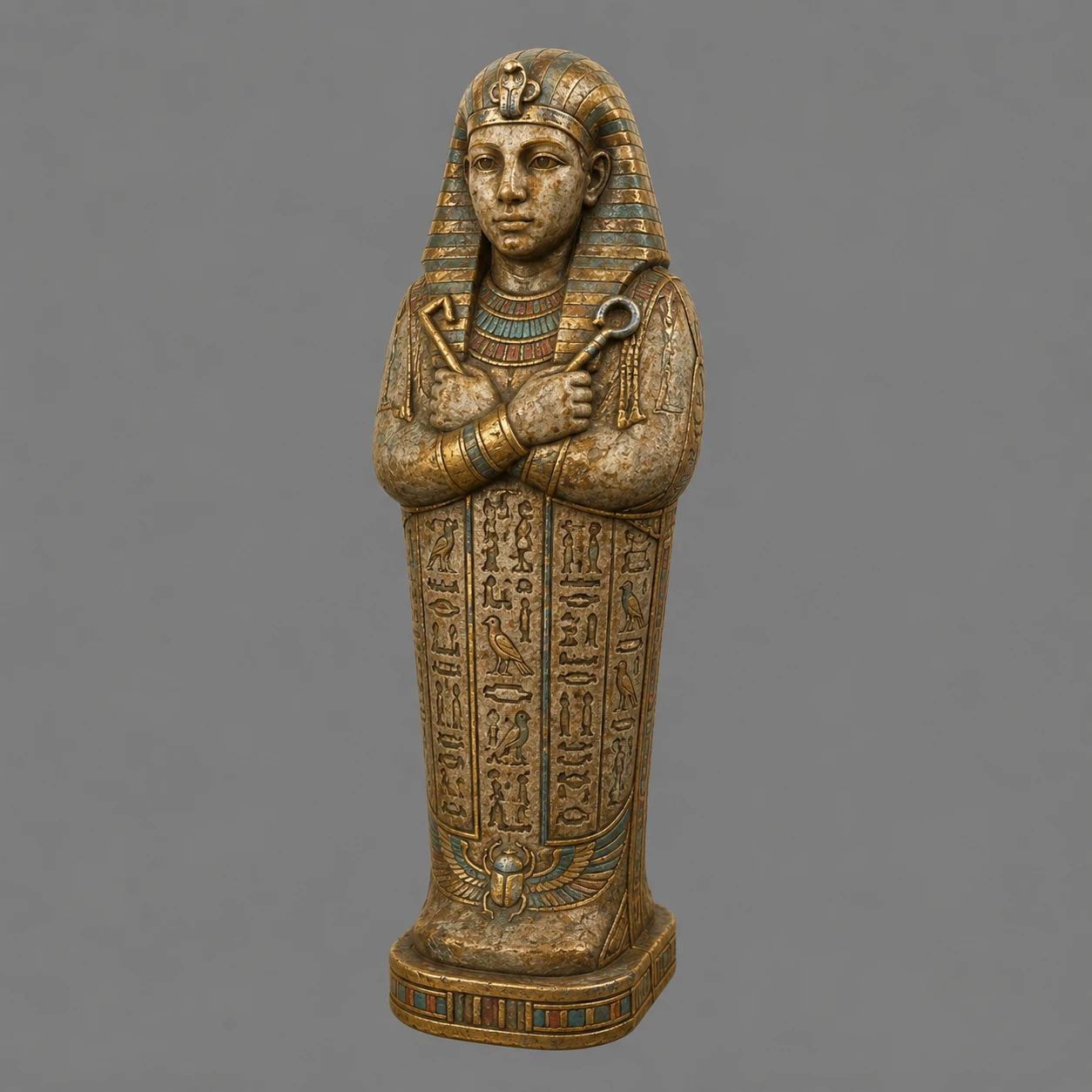
- Miniature Sarcophagus: Coffin Craft at Shrunken Scale Miniature coffins held shabtis, children, and sacred animals. The British Museum Teti shabti-coffin copies full-size burial design.
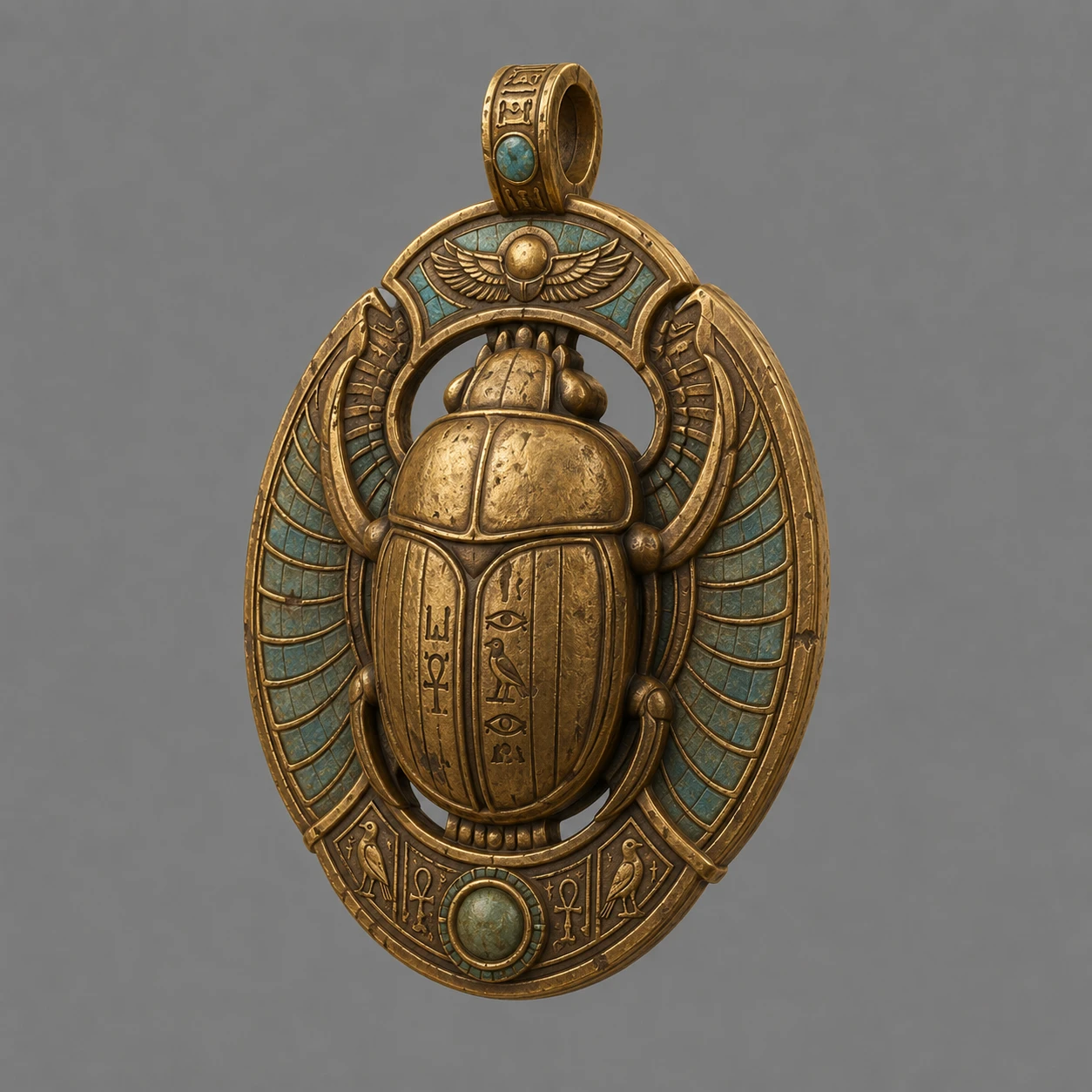
- Scarab: Khepri's Beetle from Dawn to the Tomb Scarab amulets linked the dung beetle to Khepri and dawn. Egyptians wore them, stamped seals, and buried heart scarabs with Book of the Dead spells.
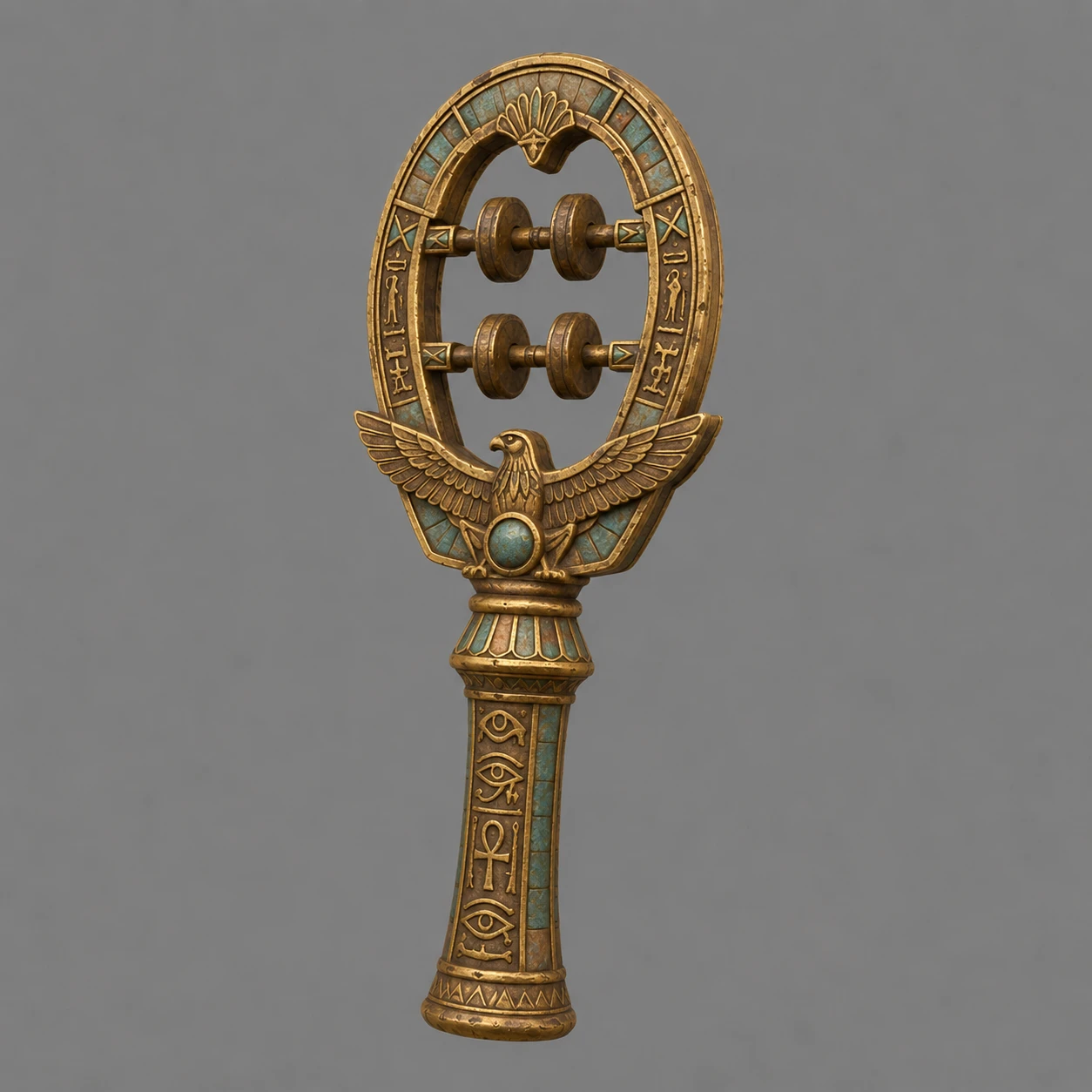
- Sistrum: Hathor's Rattle in Temple Procession The sistrum was a sacred rattle for Hathor, Isis, and Bastet. Faience examples from Ptolemaic temples name kings; bronze sistra rang through Egypt and Rome.
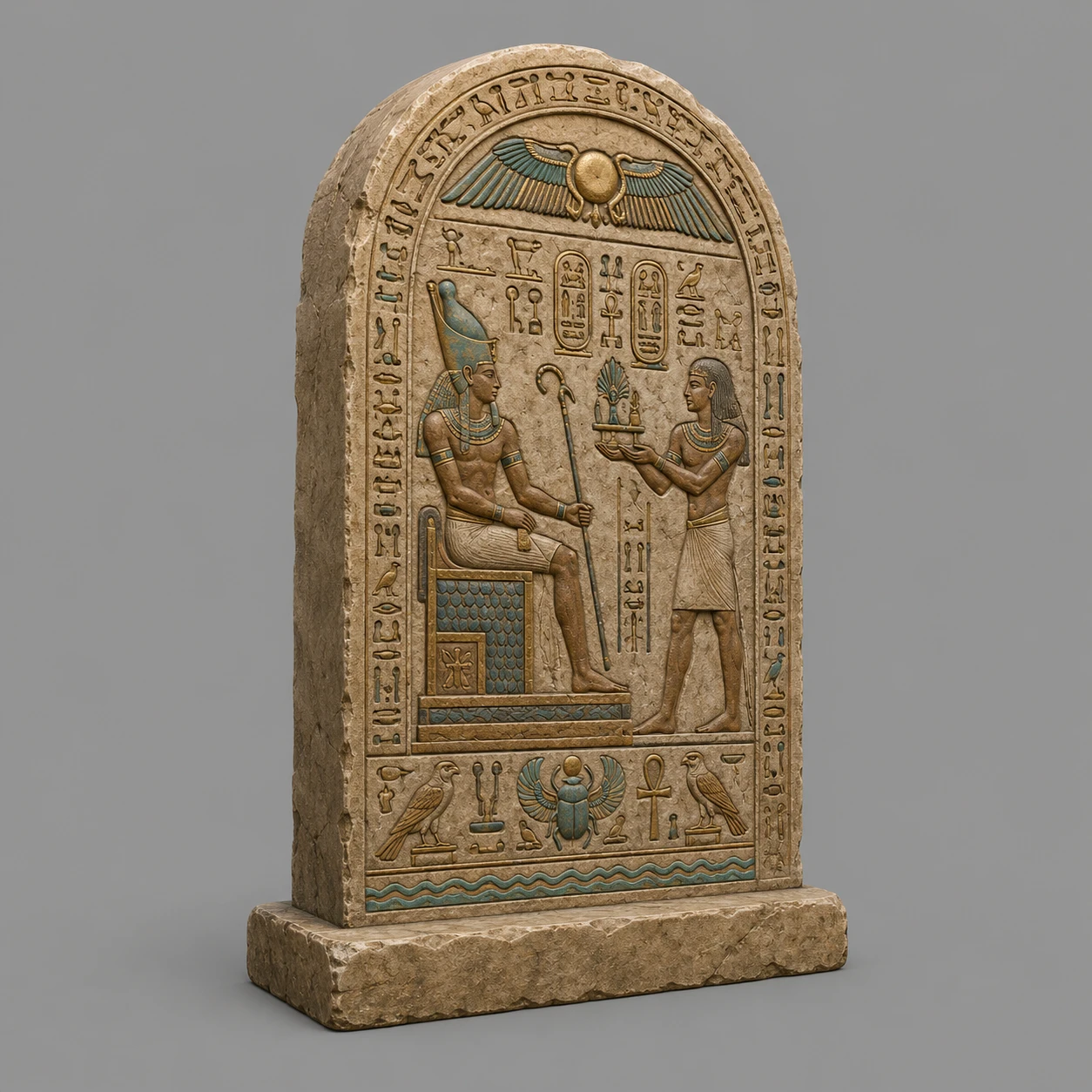
- Stone Stelae: Egypt's Carved Records of Memory Egyptian stelae marked tombs, temples, and borders from the First Dynasty onward. Limestone slabs carried offering scenes and decrees in relief.
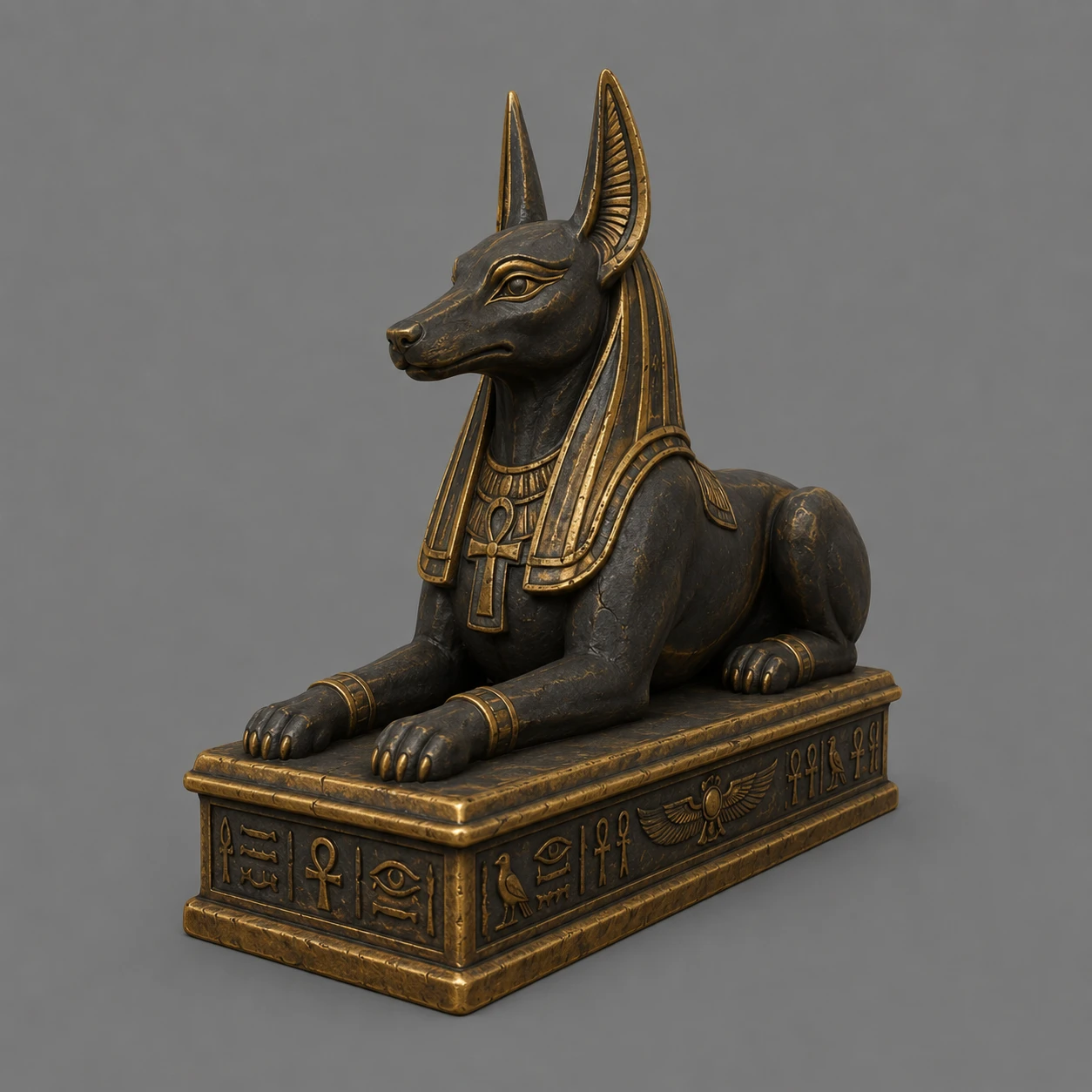
- Anubis: Jackal God at the Embalming Table Anubis guided the dead and oversaw mummification in ancient Egypt. Jackal statues stood in temples and tombs from the Old Kingdom through the Ptolemaic age.
- What Is an Ushabti? Egypt's Answerer in the Tomb Ushabti figures worked for the dead in Egyptian tombs. The shabti spell, the 365-figure set, and a real burial set you can still see in a museum.
Norse
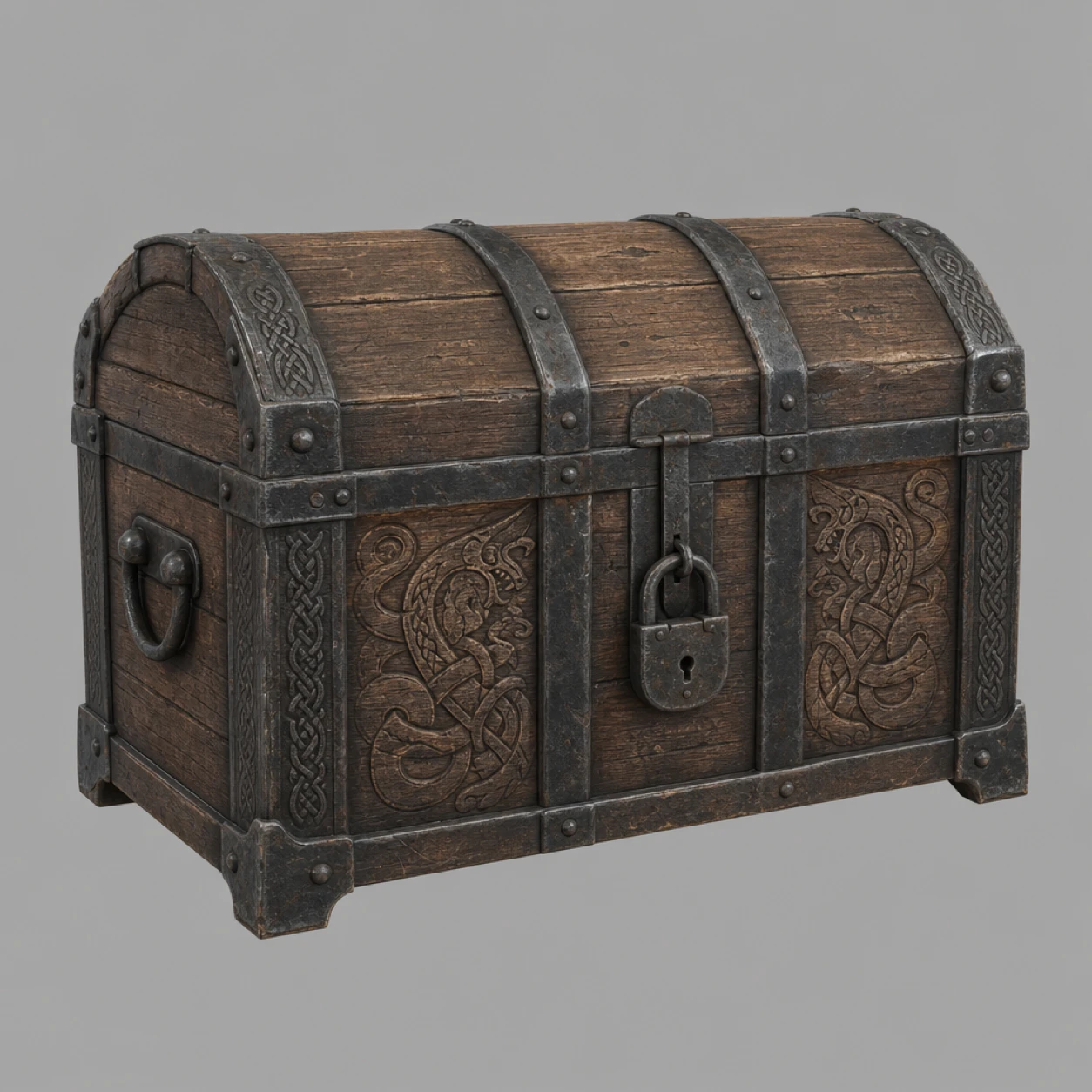
- Carved Chest: Viking Storage and Gripping Beasts The Oseberg ship burial held several wooden chests beside carved carts and sleighs. How Viking hall trunks worked, and when Mammen beasts covered them.
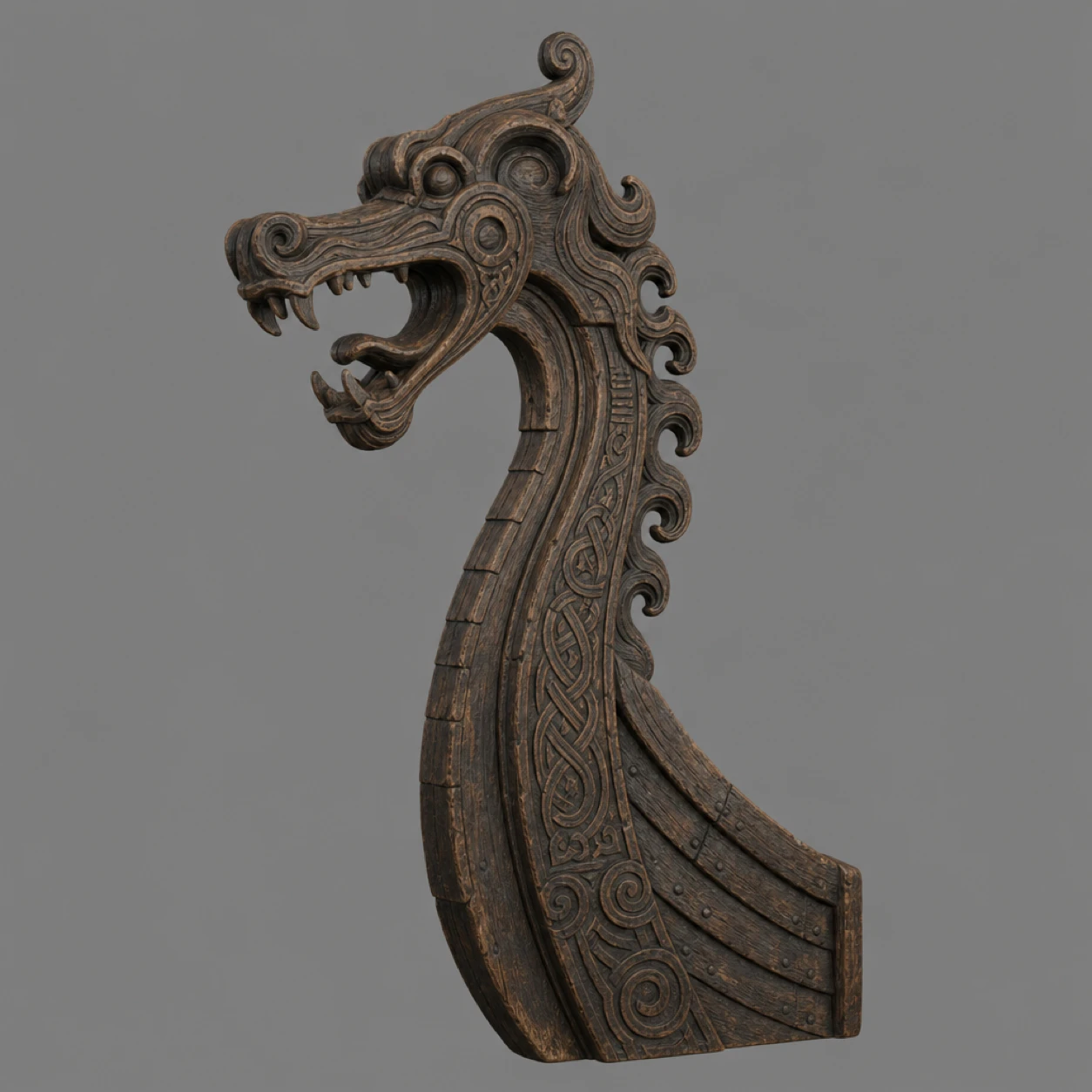
- Dragon Prow: Serpent Carvings at the Viking Stem Viking dragon prows were carved serpent heads on ship stems. Oseberg's 820 CE hull ends in a spiraling bowhead, with five more animal heads in the grave.
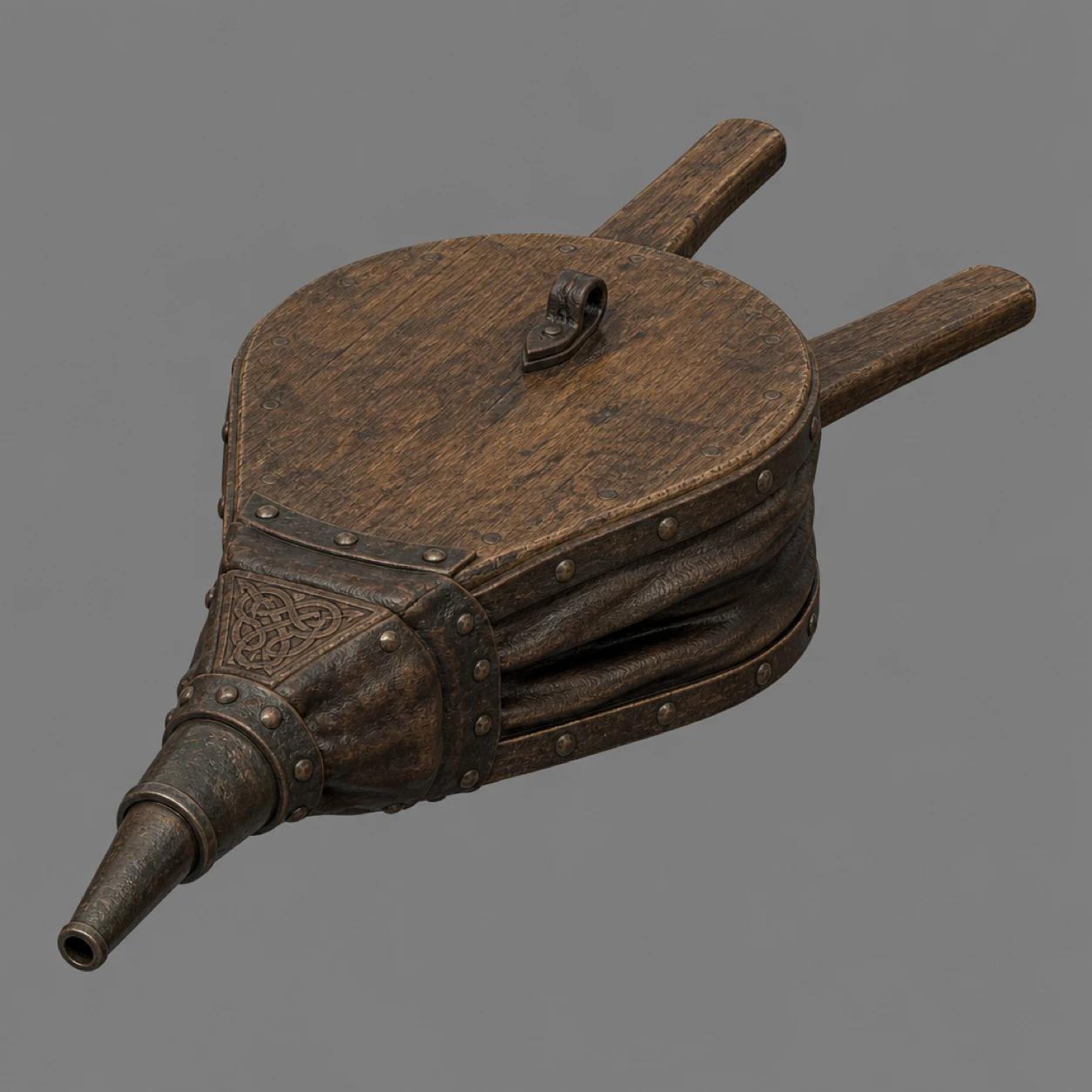
- Forge Bellows: Air for the Norse Smith's Fire Viking forge bellows used twin leather bags on charcoal fires. No examples survive intact, but hearth stones, carvings, and saga smiths show how they worked.
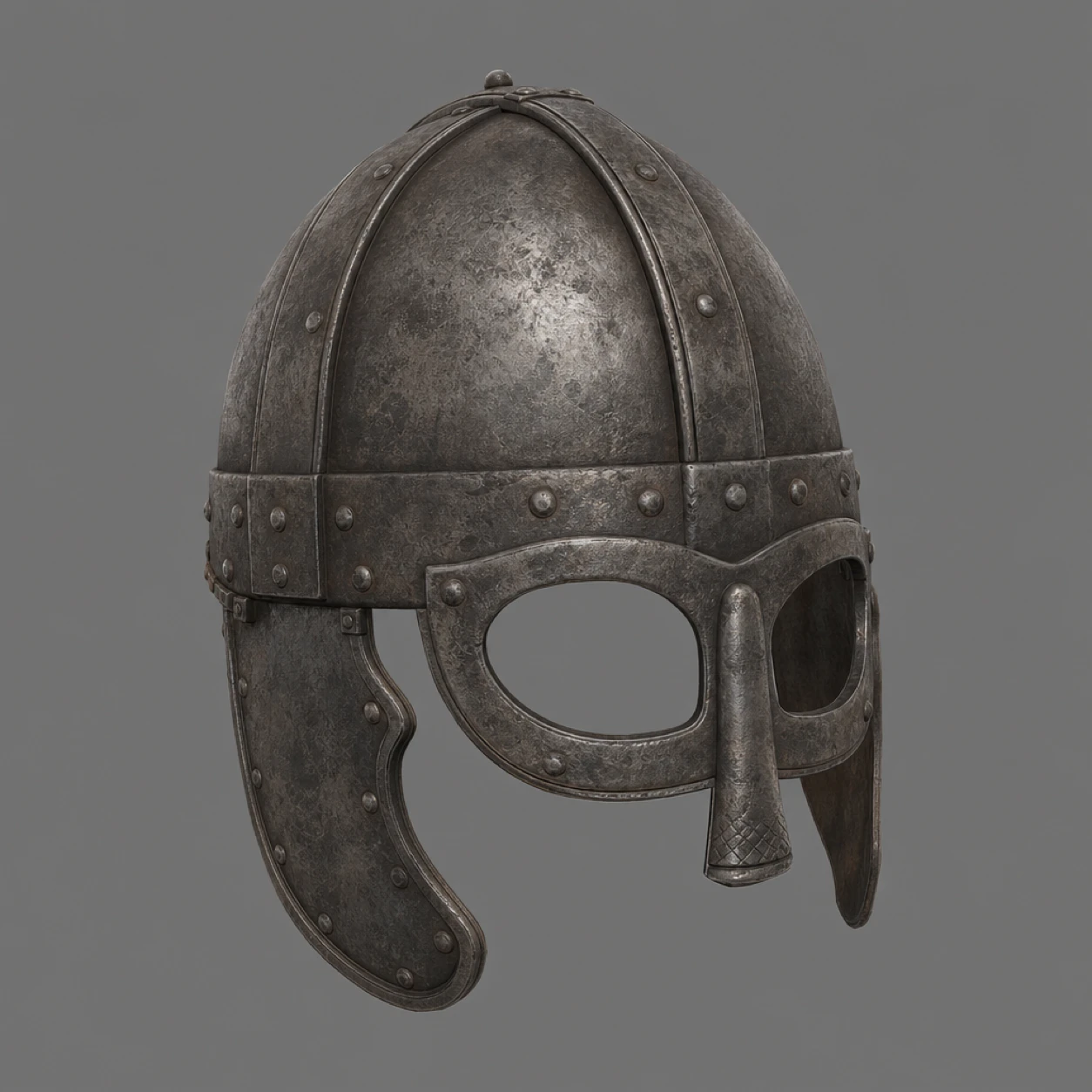
- The Gjermundbu Helmet: Ringerike's Only Complete Viking Helm Found in 1943 near Oslo, the Gjermundbu helmet is the best-preserved Viking Age helm. Nine iron fragments, a spectacle visor, and a wealthy cremation grave.
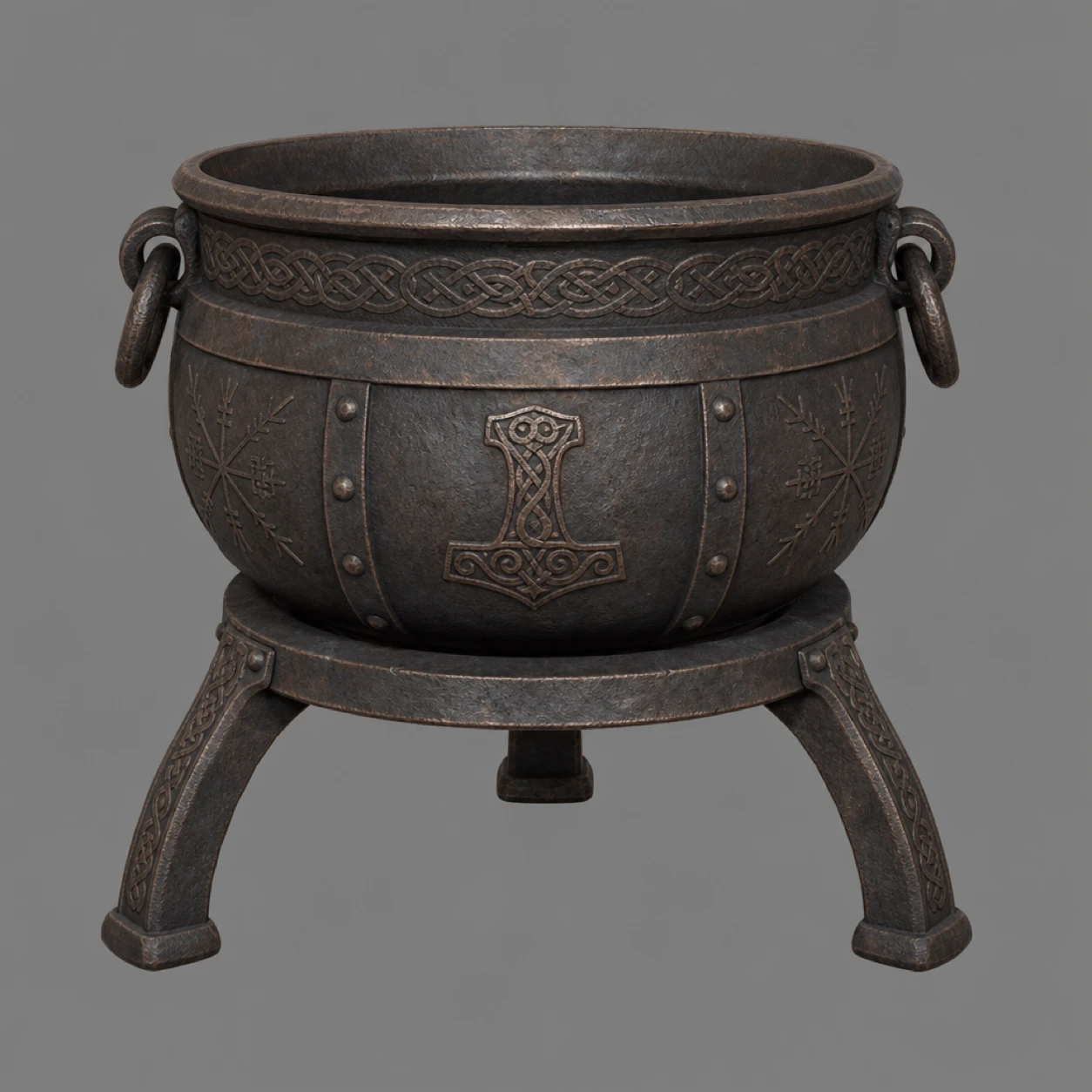
- Hanging Cauldron: Iron Pots Over the Longhouse Hearth Viking feast halls hung iron cauldrons on chains above the central hearth to boil meat and brew ale. The Sutton Hoo chain survives at the British Museum.
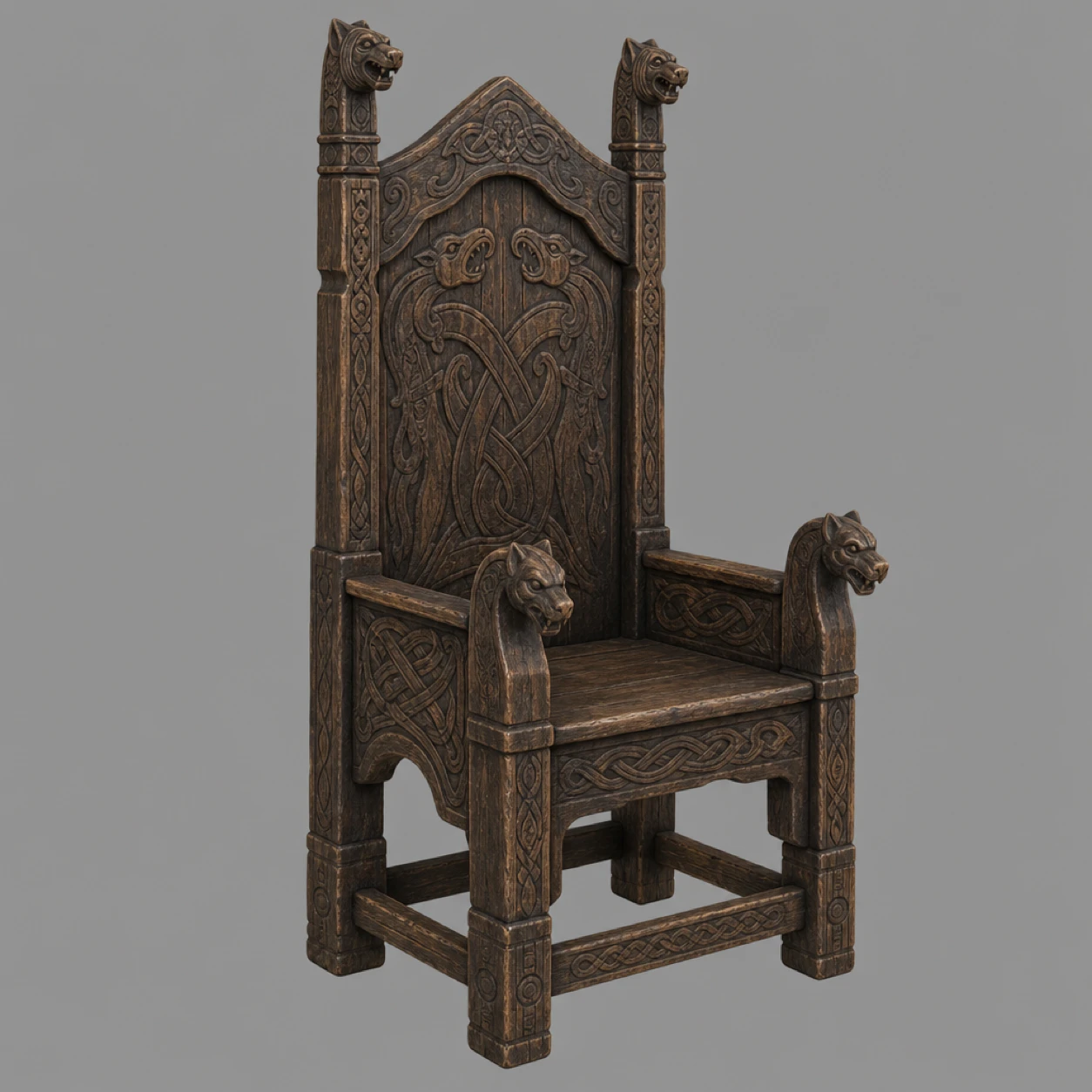
- High Seat in the Mead Hall: Where a Viking Chieftain Ruled The high seat marked a Viking chieftain's place in the mead hall. Oseberg grave goods and pillar rites show how leaders displayed authority indoors.
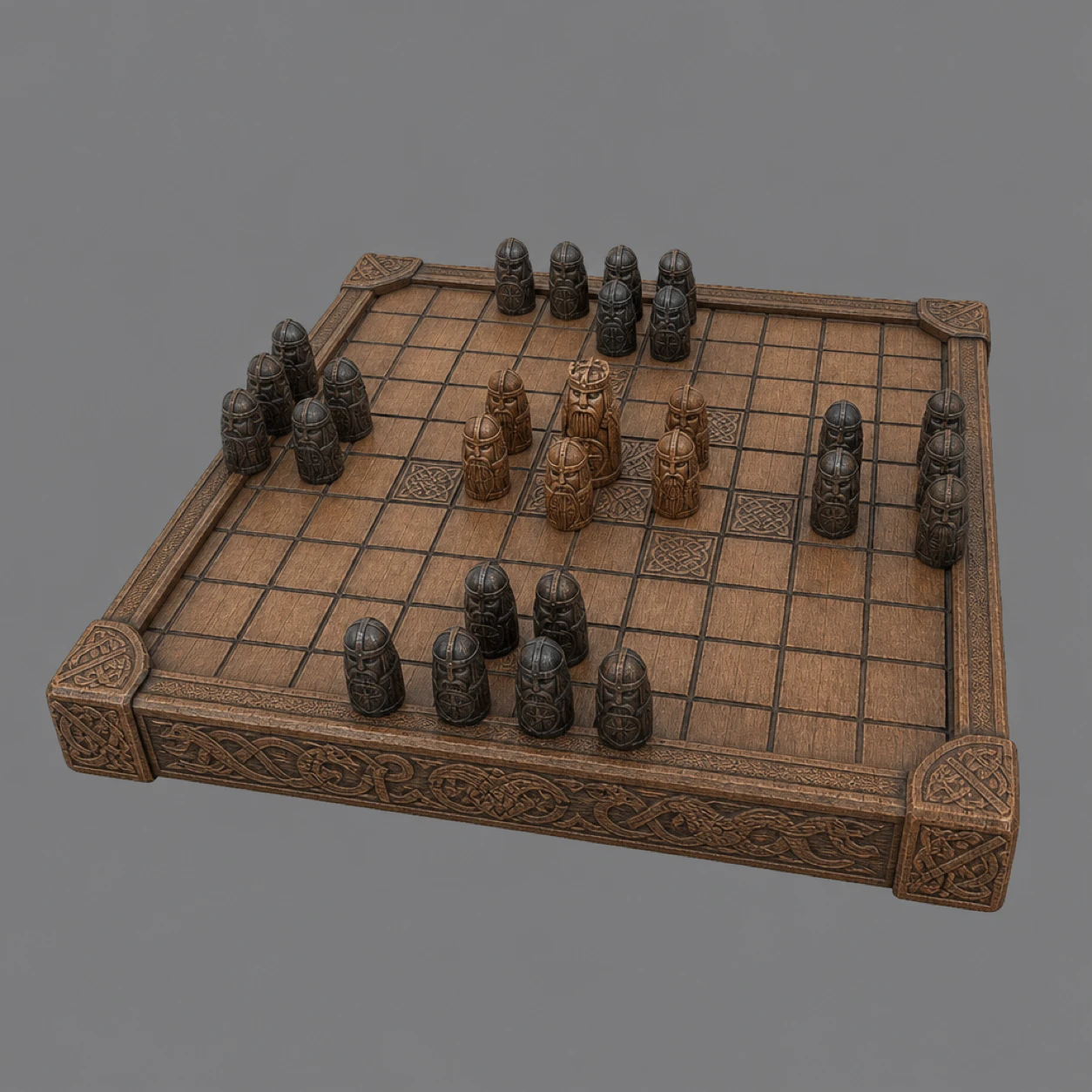
- Hnefatafl: The King's Table in Norse Feast Halls Hnefatafl was the Viking Age board game of kings and defenders on a square grid. No medieval rulebook survives, but Birka grave Bj581 held a complete piece set.
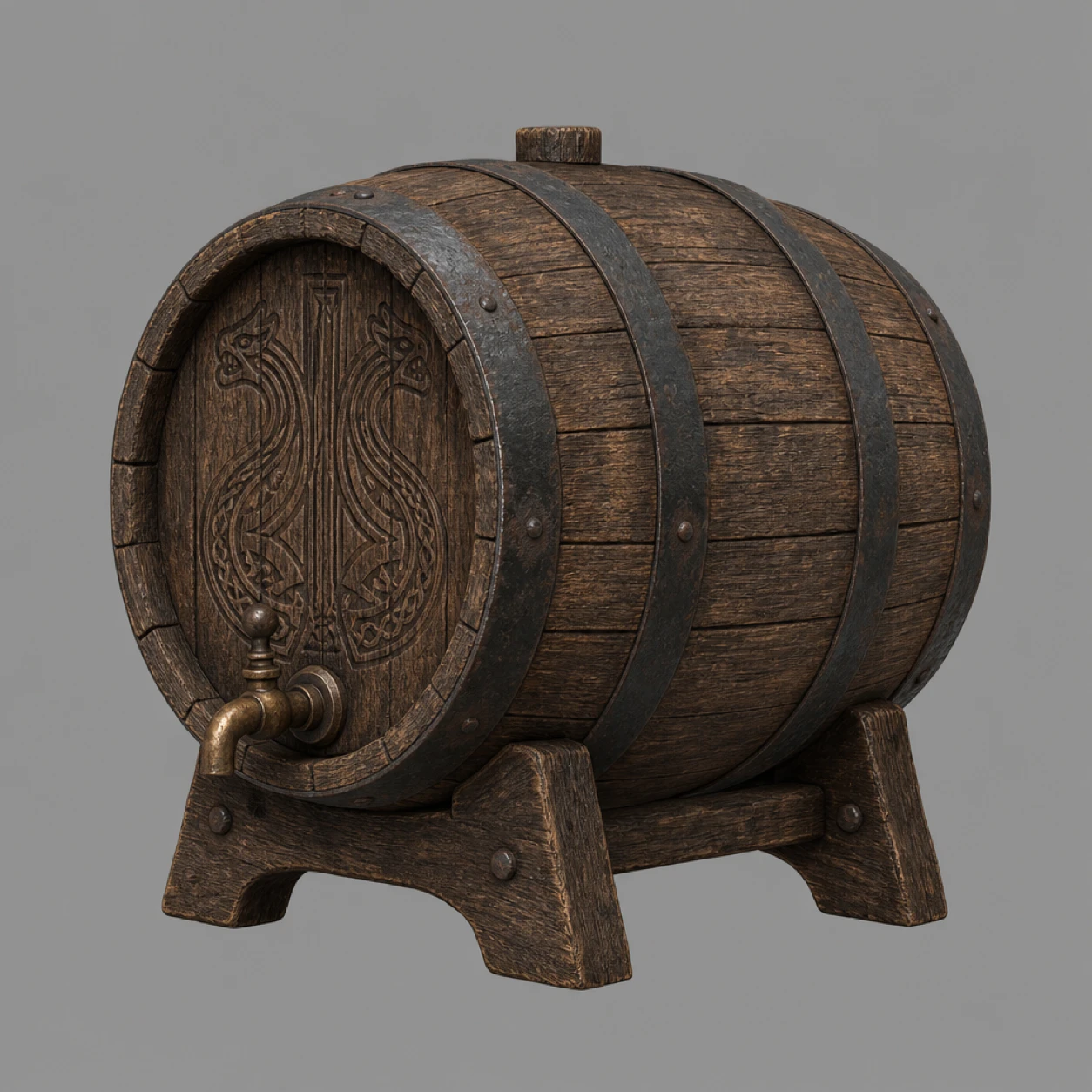
- Mead in the Longhouse: Stave Barrels for Honey Wine Viking mead barrels stored honey wine in stave-built tubs for feast halls. Sutton Hoo graves include wooden buckets beside cauldron chains.
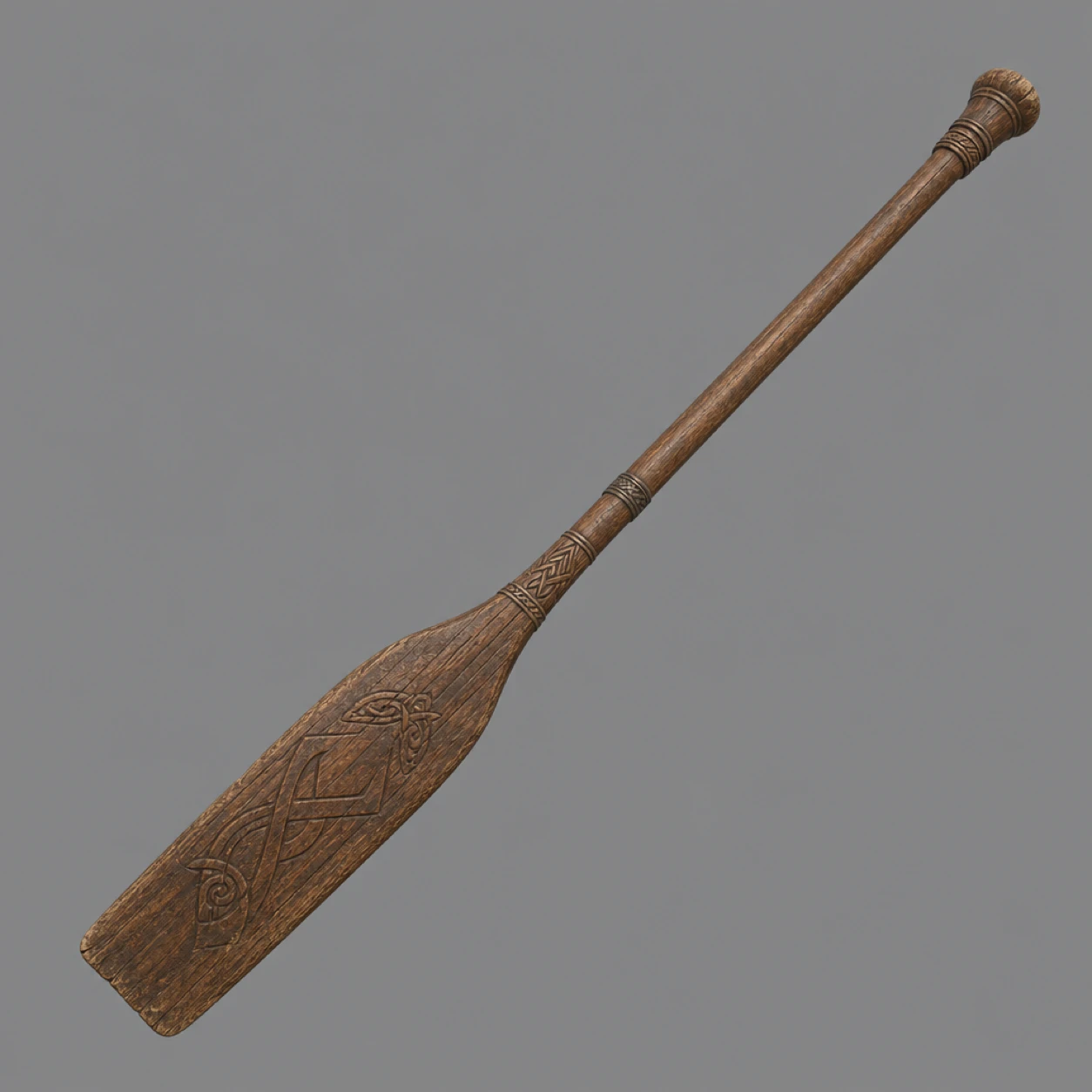
- Rowing the Longship: Oars, Crew, and Fjord Speed Viking longships paired square sails with banks of pine oars. Oseberg's grave held painted blades with almost no wear, hinting they were made for burial.
- Tortoise Brooches: Oval Pins for the Viking Apron Dress Viking women wore paired oval brooches to pin apron-dress straps at the chest. Shell-shaped bronze from Denmark to Iceland marks Norse dress in graves.
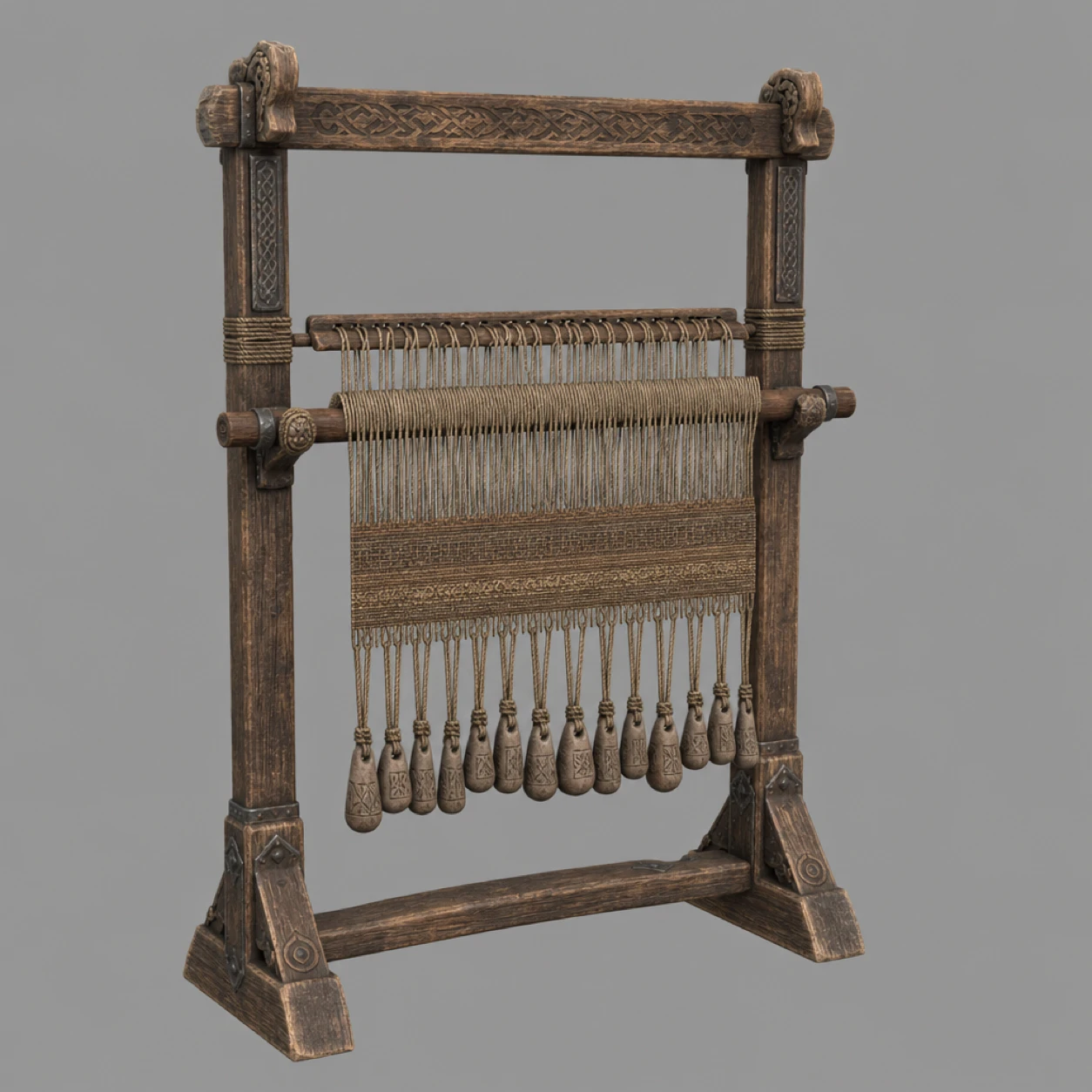
- Weaving in the Longhouse: The Norse Warp-Weighted Loom The Viking warp-weighted loom hung vertical in farm halls, its warp held taut by stone or clay weights. Loom weights at Tissø show where weaving happened.
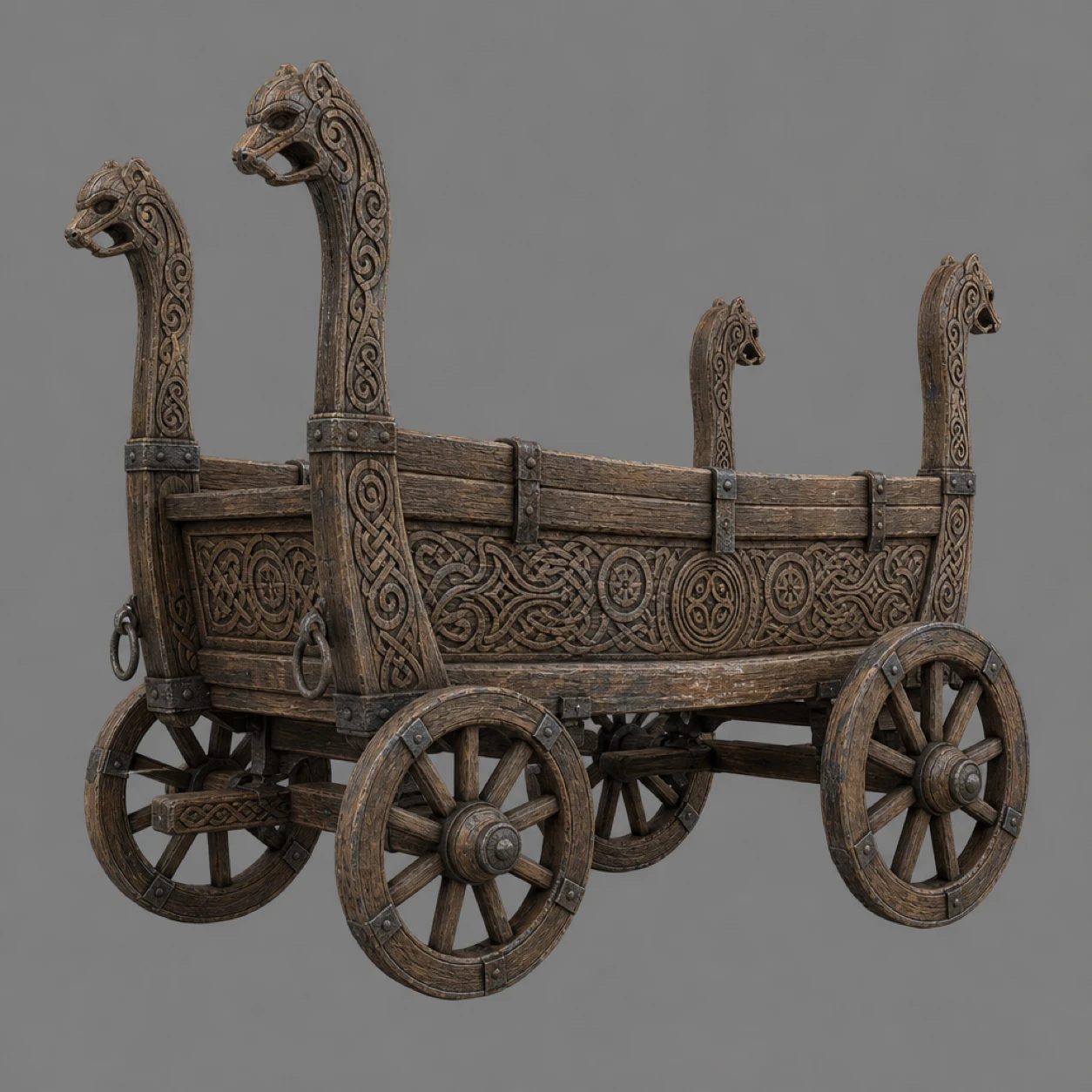
- Oseberg Cart: Gunnar, Serpents, and Freyja's Cats The carved wooden Oseberg cart from Norway's 834 CE ship burial shows Gunnar in a snake pit at one end and cat carvings tied to Freyja at the other.
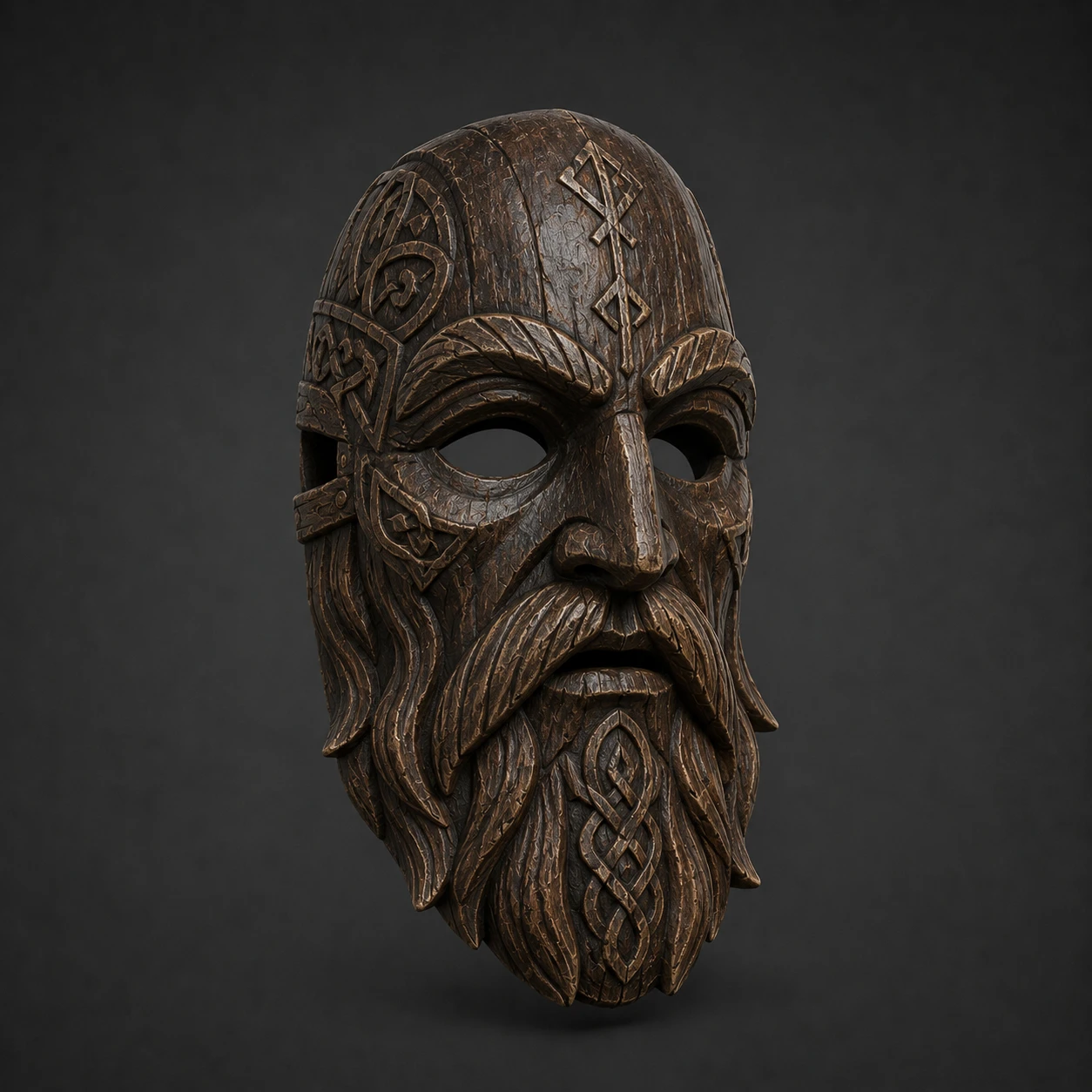
- What Is a Carved Wooden Mask? Viking Faces in Wood and Ritual Full human masks rarely survive from Viking Age Scandinavia, yet Oseberg's five carved animal heads show how elite woodcarvers shaped ritual faces in 834 CE.
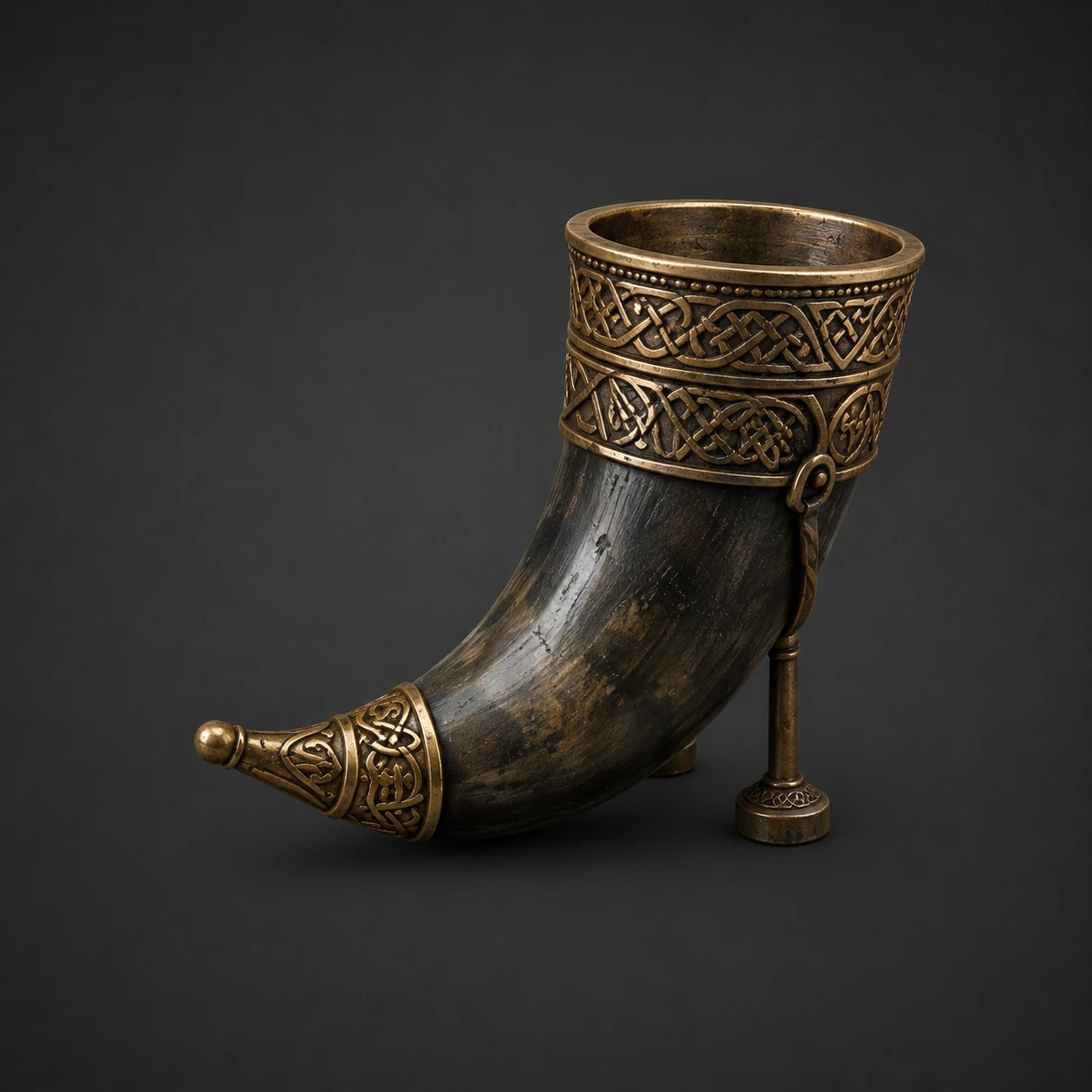
- Drinking Horns at the Sumbl: Vessels for Feast and Oath Viking drinking horns were cattle or aurochs horns with silver rims, passed at feasts and blót. Sutton Hoo fittings show how elite horns looked in life.
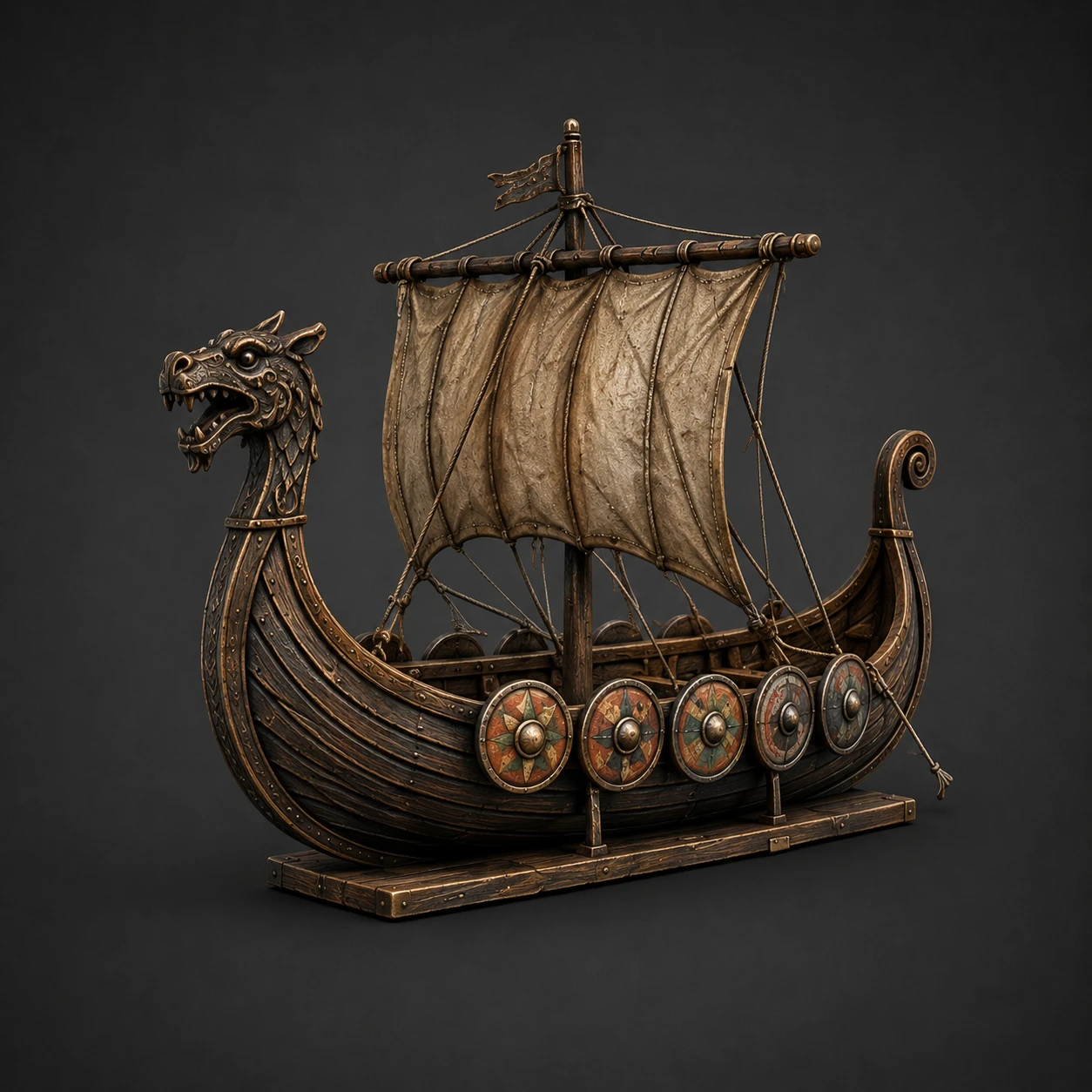
- The Oseberg Ship: A Viking Funeral Vessel from 834 Viking funeral ships were vessels pulled ashore and buried under mounds. Oseberg's 834 CE grave held two women, fifteen horses, and lavish carved goods.
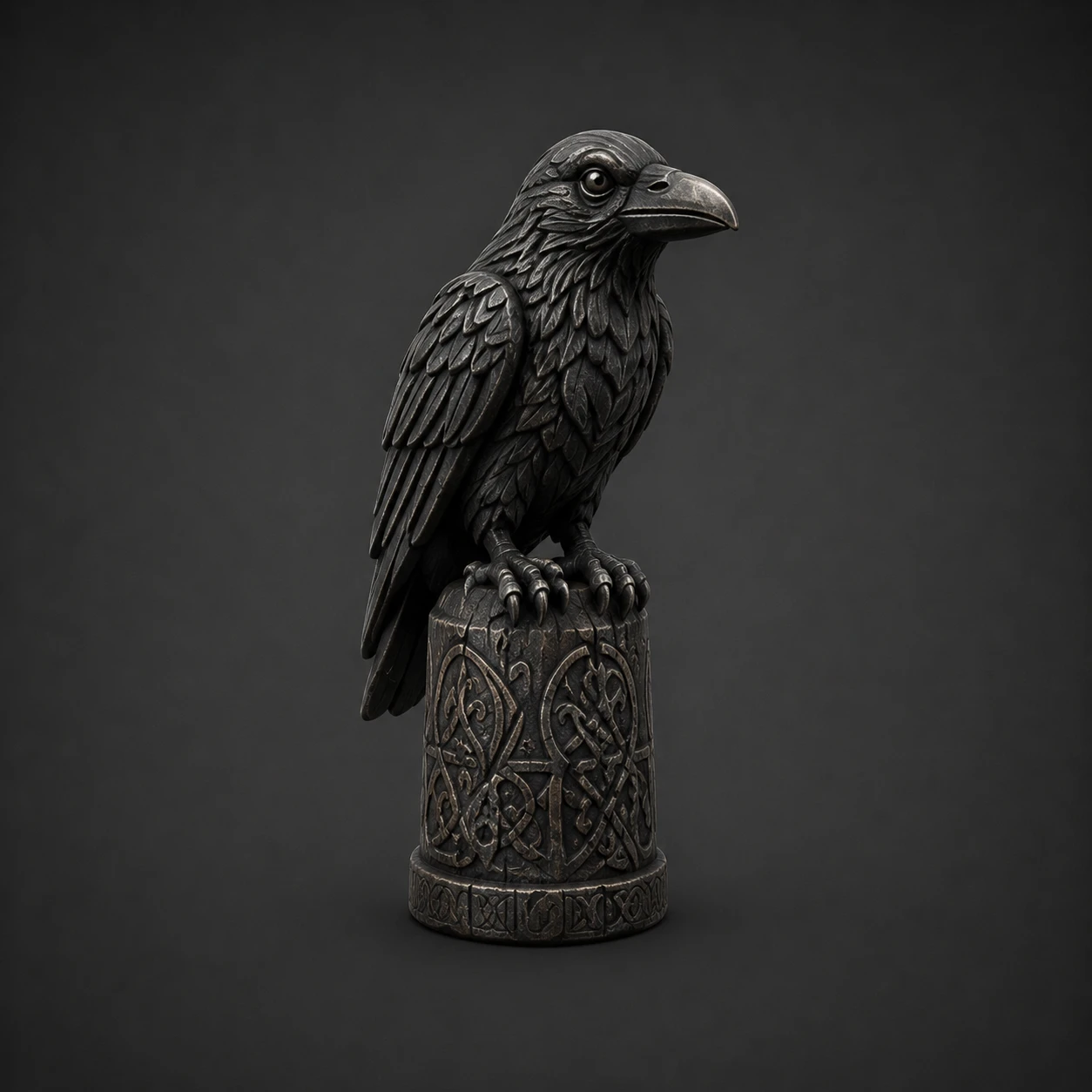
- Raven Totem: Huginn and Muninn in Wood and Silver Viking raven totems echoed Odin's birds Huginn and Muninn. From war banners to chair amulets found at Lejre, see what survives in metal and carved wood.
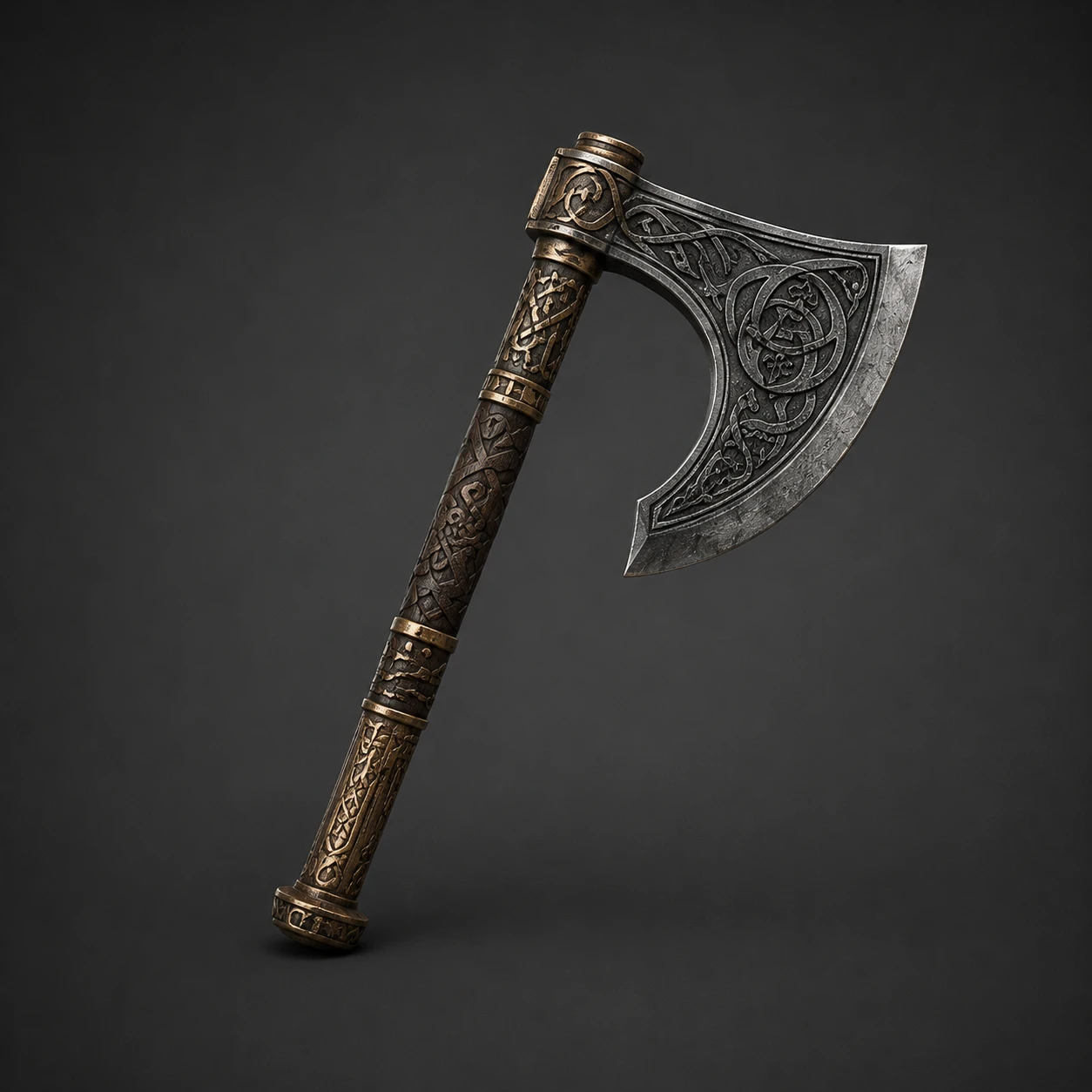
- Ritual Axe: Bearded Blade for Blót and Burial A Viking ritual axe could slaughter animals, deposit in wetlands, or crown a magnate grave. The Mammen inlaid axe shows how iron carried both faiths.
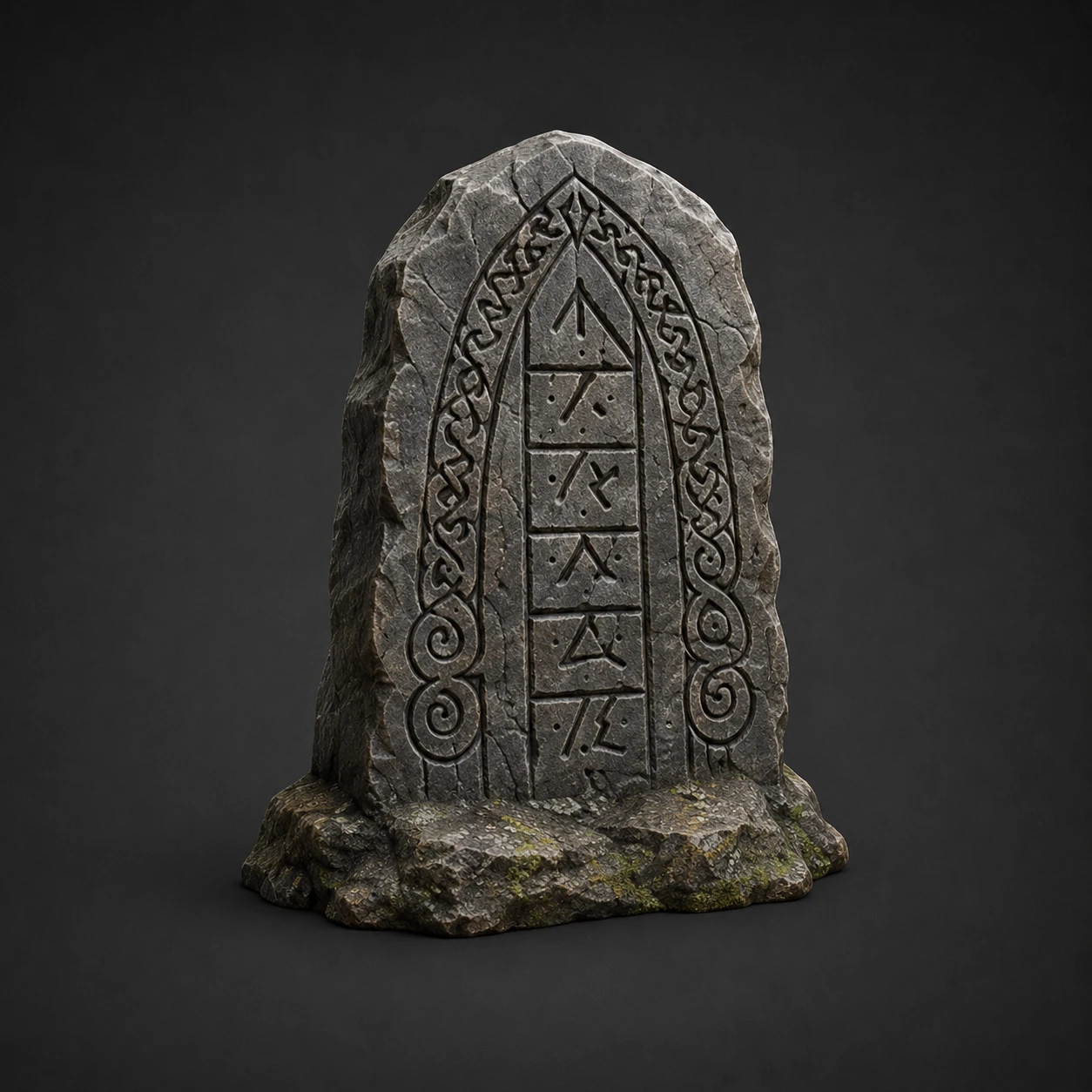
- The Jelling Stones: Harald Bluetooth's Runic Memorial Viking runestones are carved memorial slabs raised in runic script. The Jelling pair in Denmark names the kingdom and records its turn to Christianity.
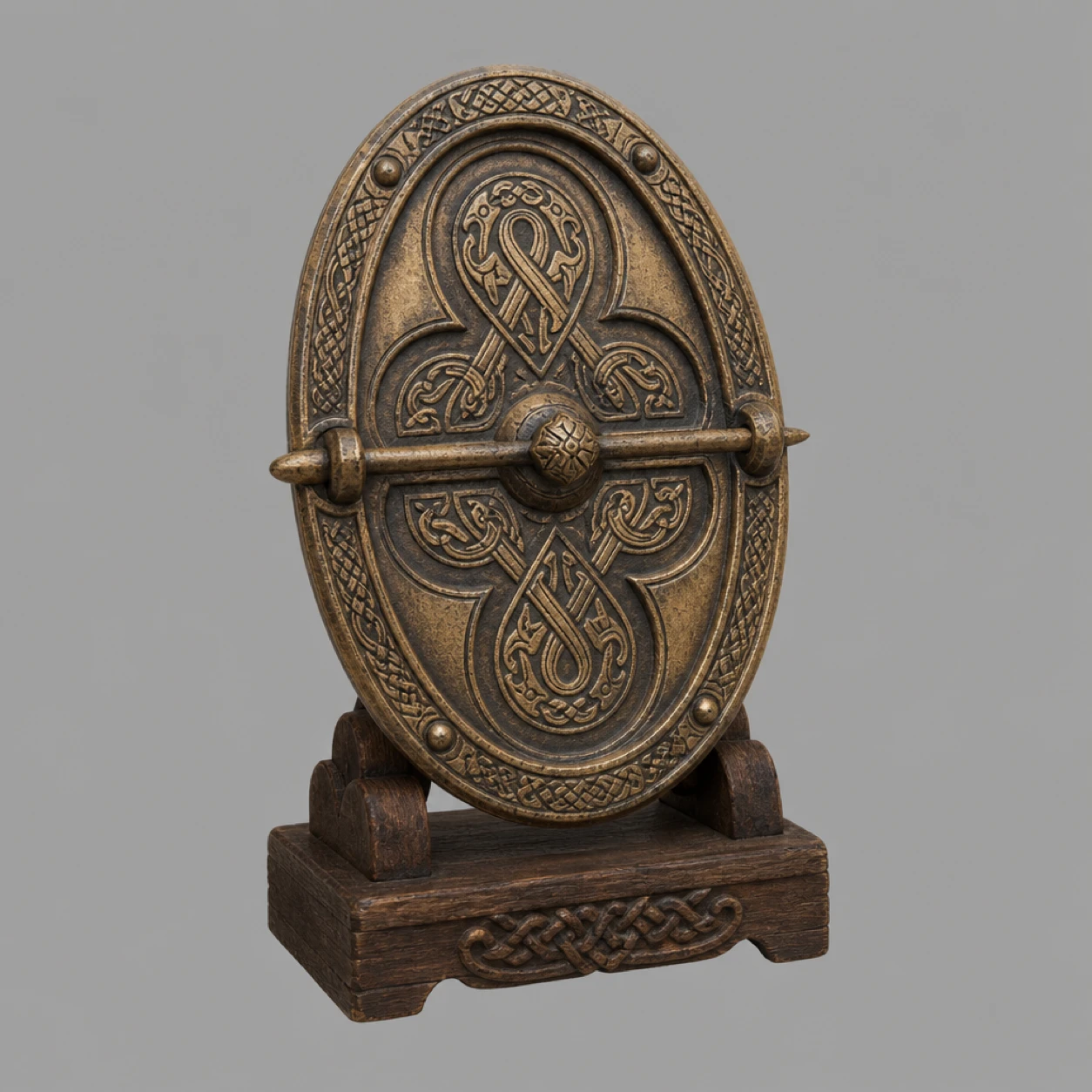
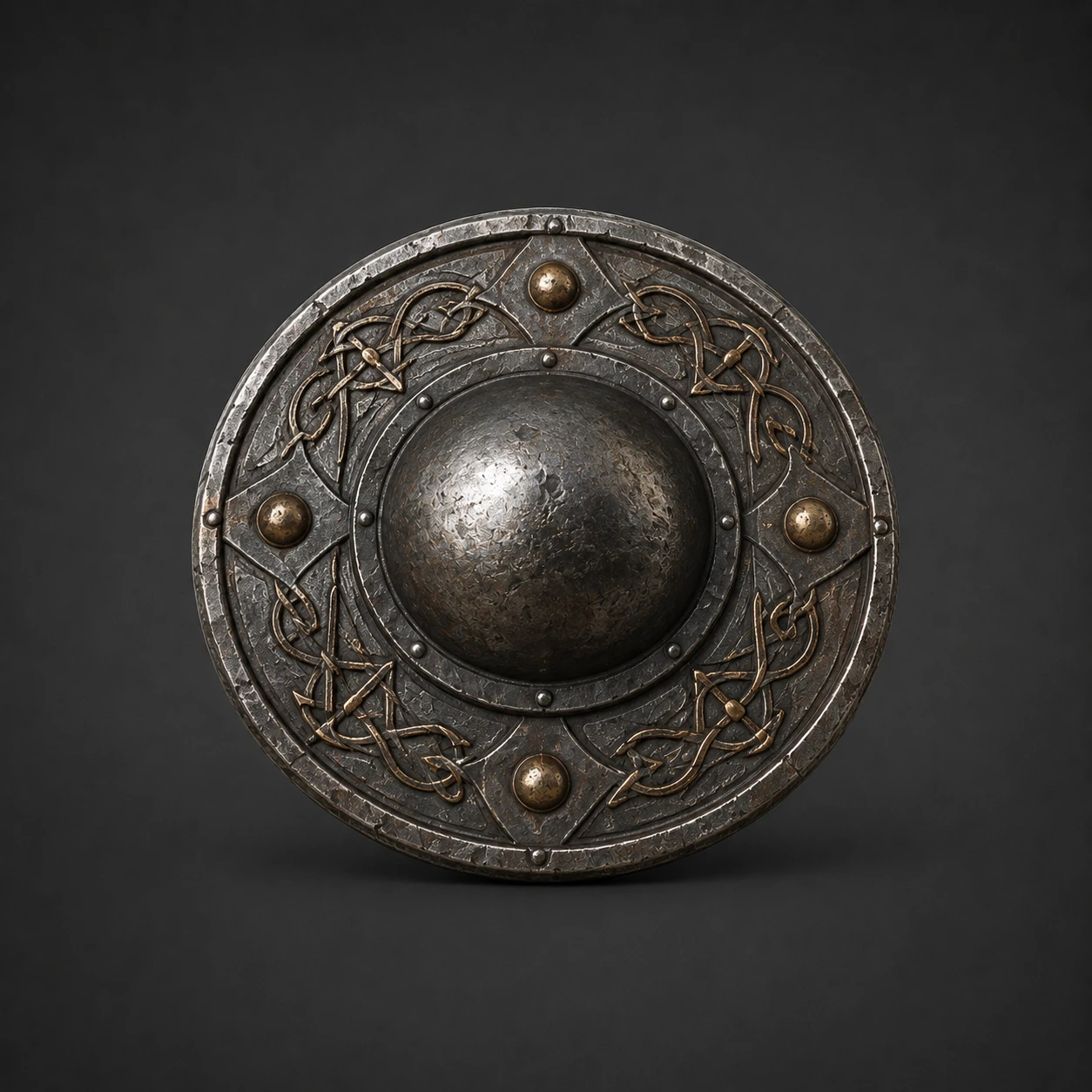
- Runic Shield Boss: Iron Dome and Early Runes Shield bosses are iron domes at the center of Viking round shields. The Thorsberg boss carries one of the earliest runic inscriptions on a weapon.
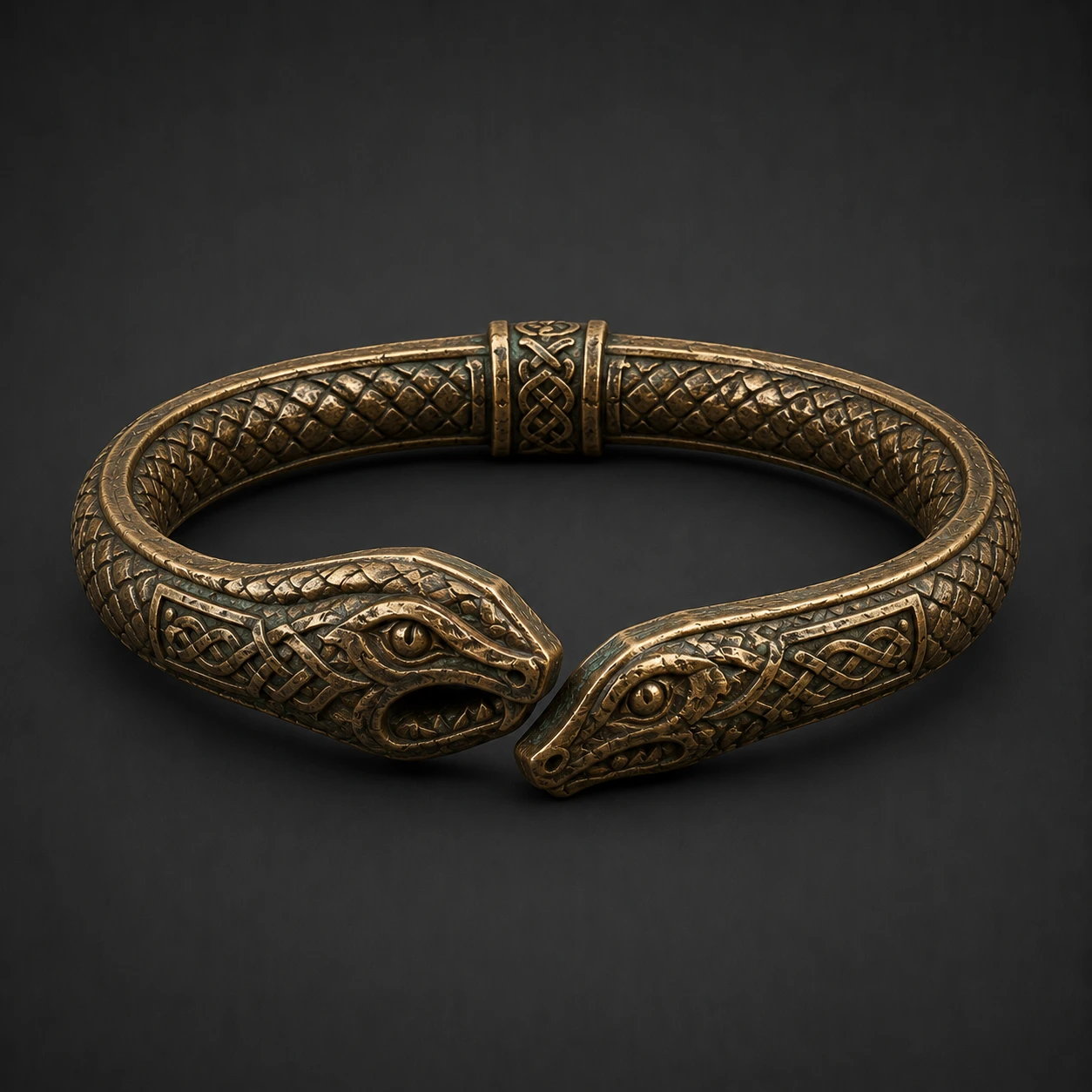
- Serpent Arm Rings: Twisted Silver and the Midgard Worm Viking arm rings stored silver by weight and sealed feast gifts. Serpent heads recall Jörmungandr; a Cuerdale band sits in the British Museum.
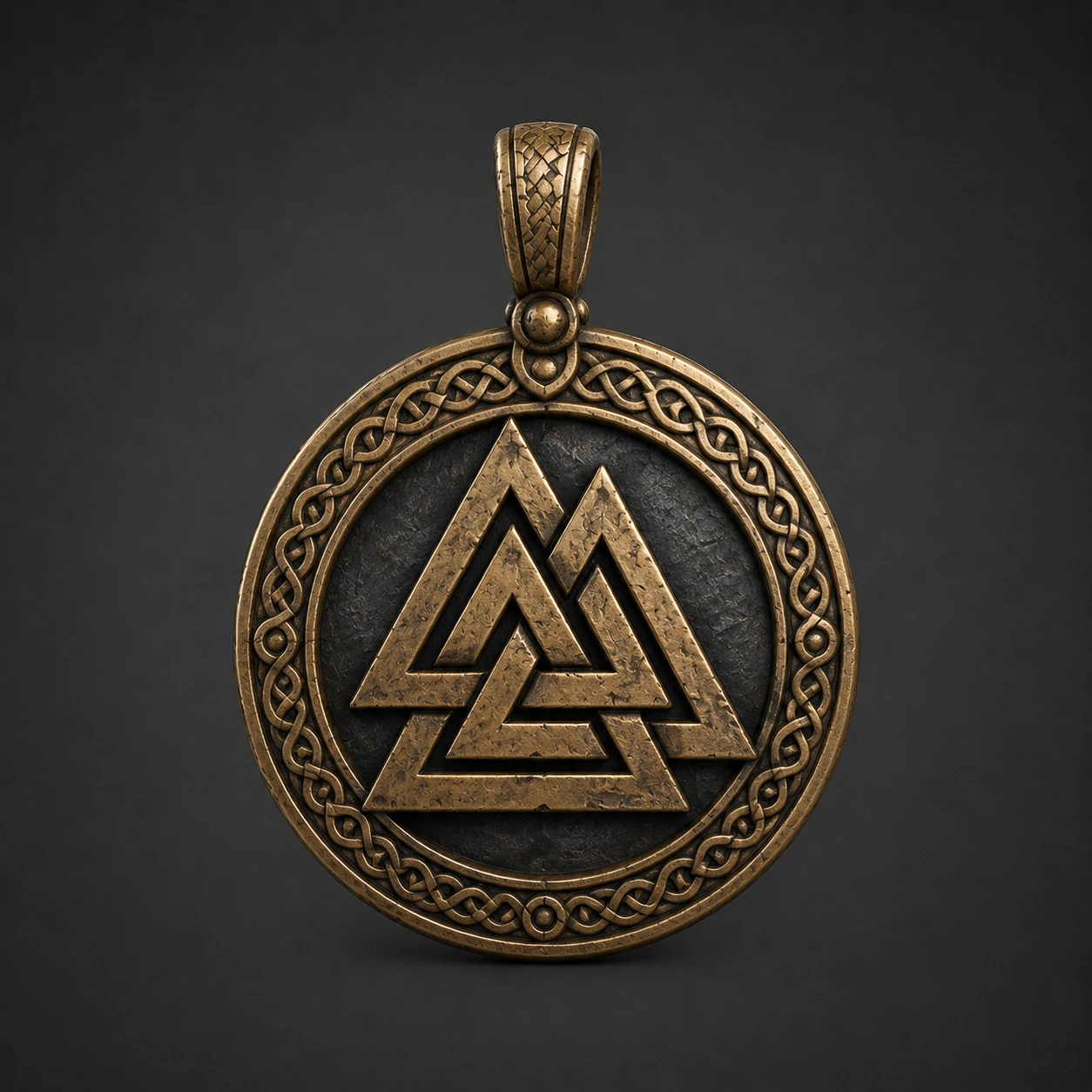
- Valknut: Odin's Knot Beside the Dead The Valknut is a Viking Age sign of three linked triangles. No Old Norse name survives, but stones, graves, and a British Museum ring show where it appeared.
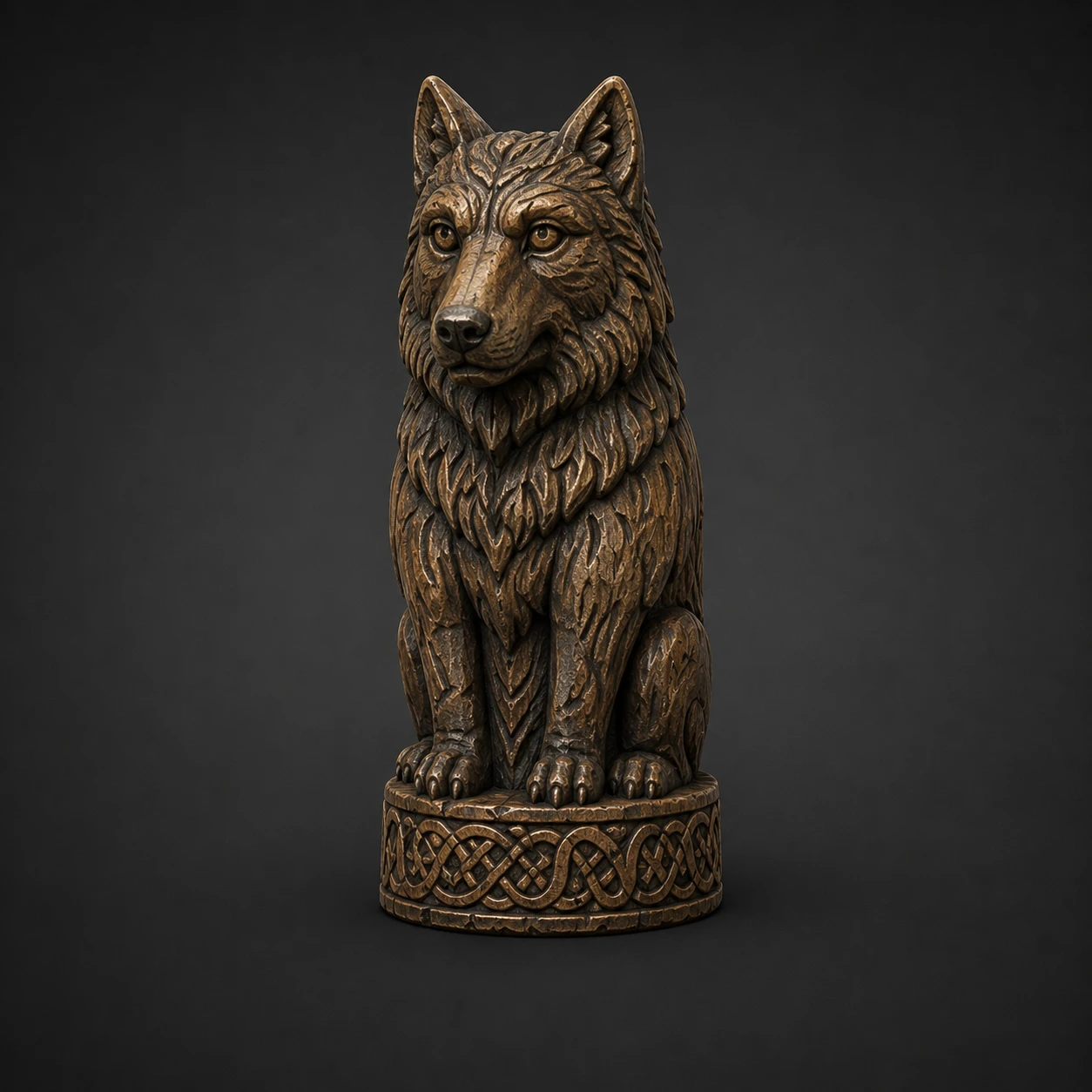
- Wolf Totem: Odin's Table Wolves and Fenrir's Chain Norse myth pairs Geri and Freki at Odin's side with Fenrir bound until Ragnarök. Sutton Hoo's purse-lid shows how elite art carved wolves beside rulers.
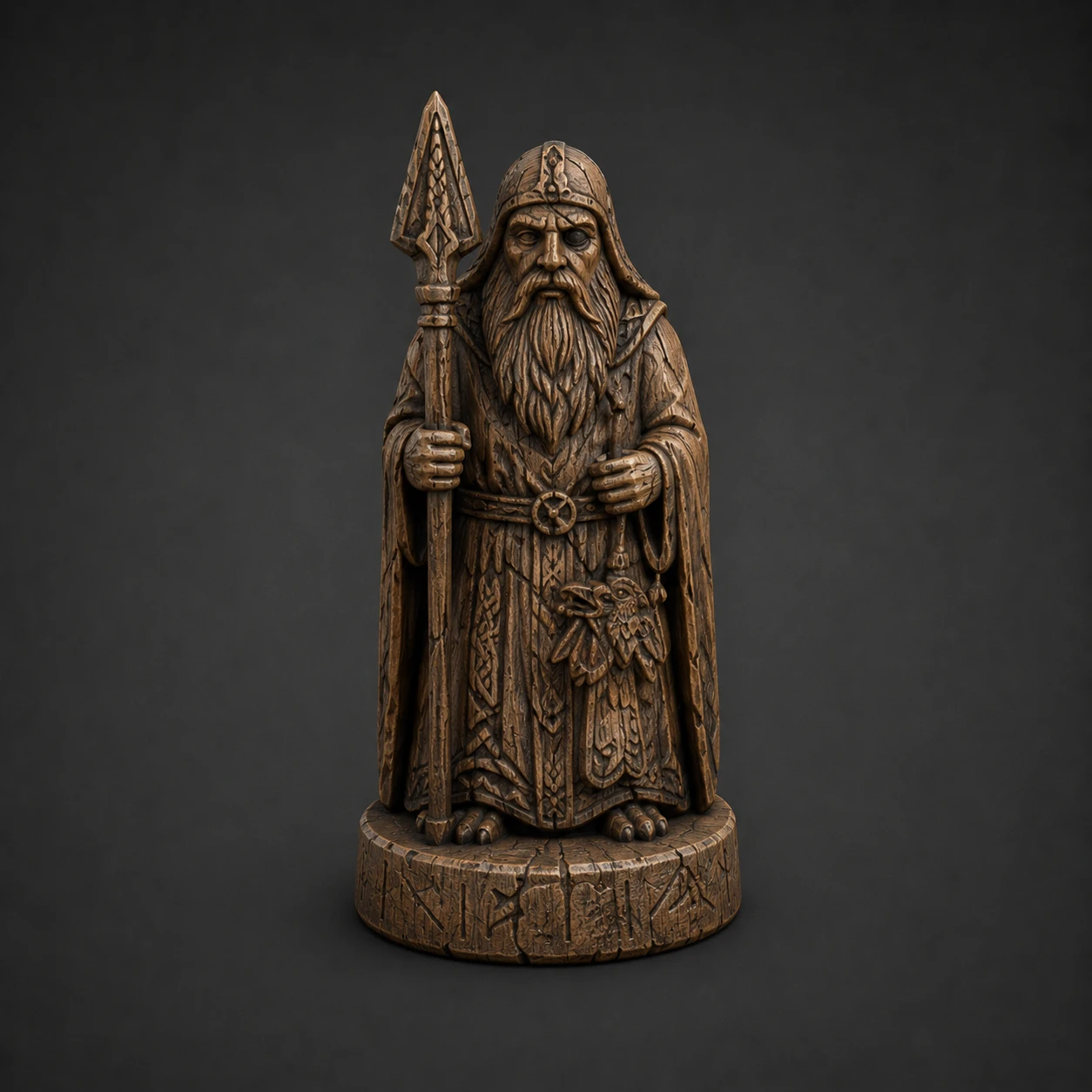
- Odin Idol: A Seated God Between Two Ravens Viking Odin idols are small seated figures in silver, bronze, or wood. The Lejre silver find of c. 900 shows a raven throne, yet scholars debate the face.
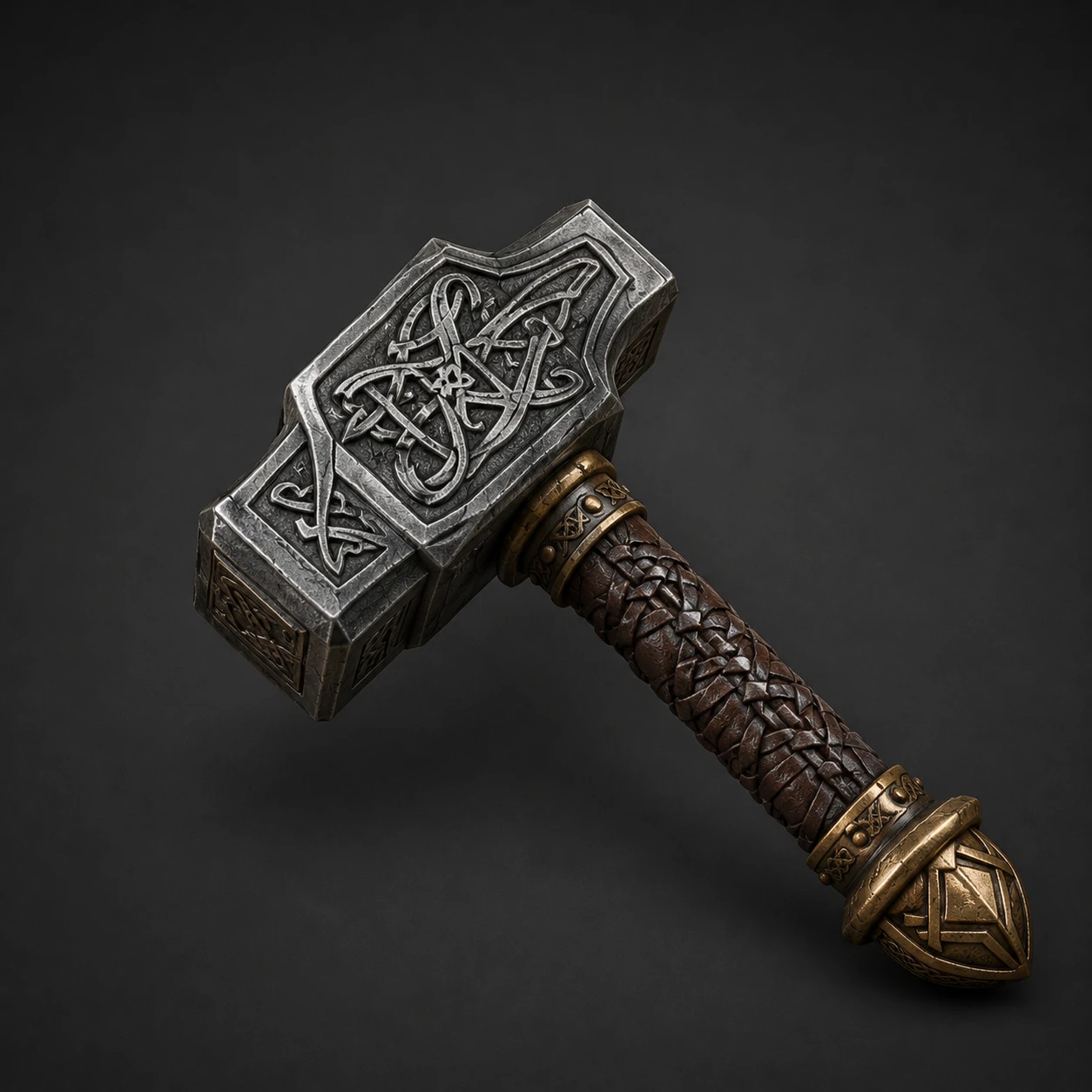
- What Is Mjolnir? Thor's Hammer in Myth and Metal Mjolnir is Thor's hammer in Norse myth and a Viking Age amulet. What the texts say, what graves hold, and the Kobelev hammer that names itself.
Greece
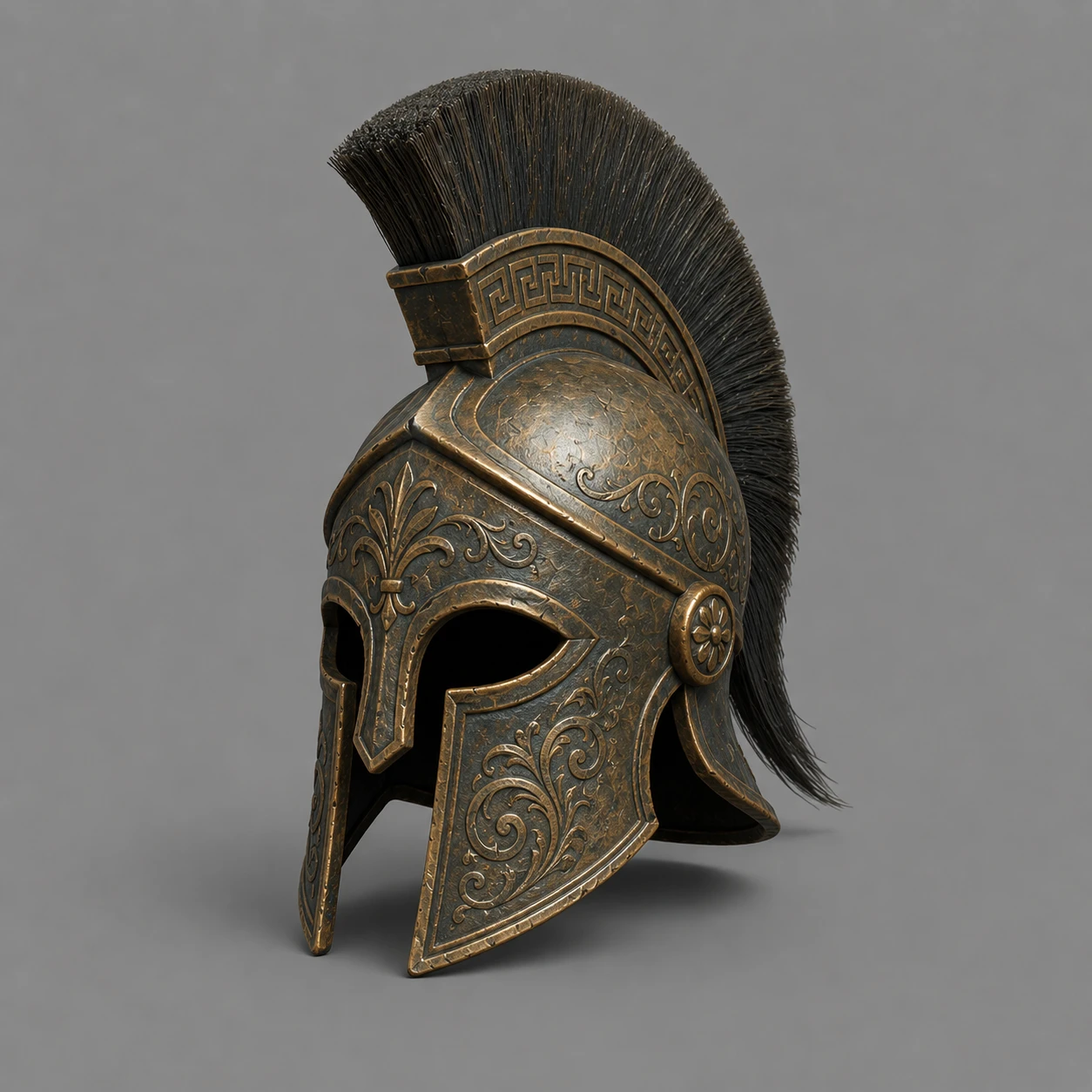
- Corinthian Helmet: Bronze Face Armour for the Hoplite Hammered from one bronze sheet, the Corinthian helmet covered a hoplite's face behind a T-shaped visor. Olympia finds show crests and cheek-pieces.
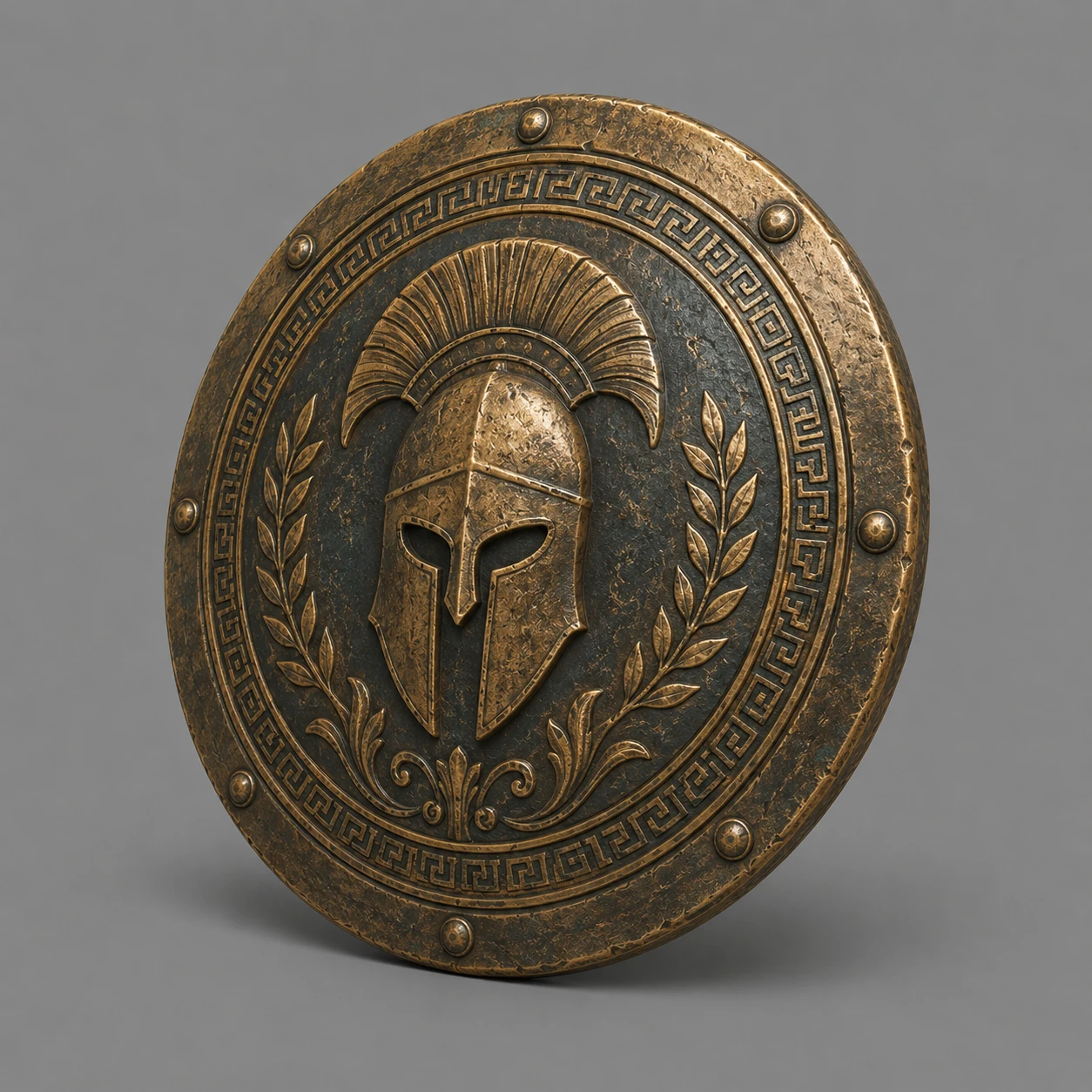
- Aspis: Round Shield, Argive Grip, and Hoplite Blazons The Greek hoplite aspis was a bowl-shaped round shield about 80 cm across, gripped by porpax and antilabe. A bronze facing from Pylos 425 BC survives in Athens.
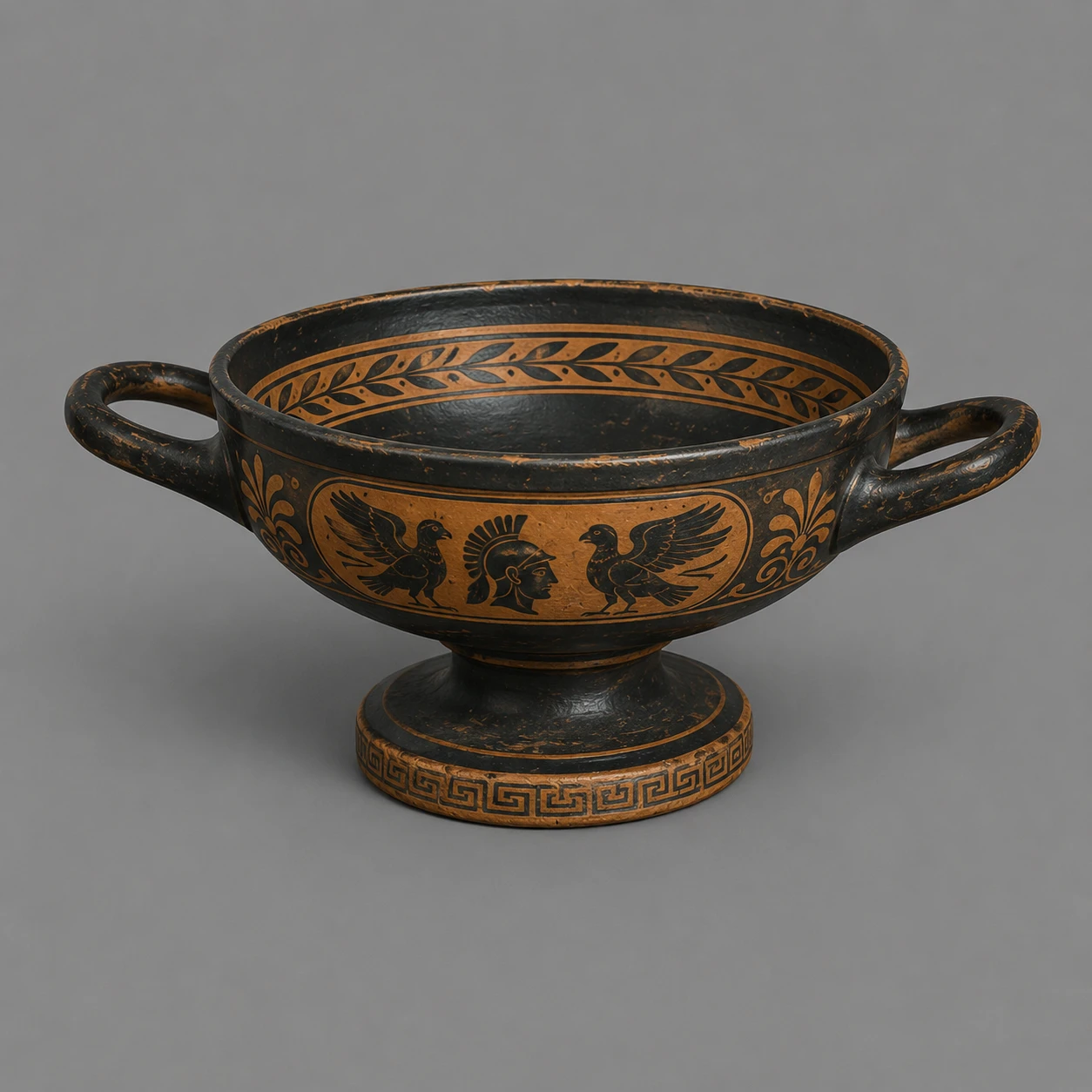
- Kylix: Shallow Bowls, Painted Tondos, and Symposium Wine Attic kylikes were wide, stemmed wine cups for the symposium, often painted inside and out. The Met holds Hieron's cup by Makron, ca. 480 BCE.
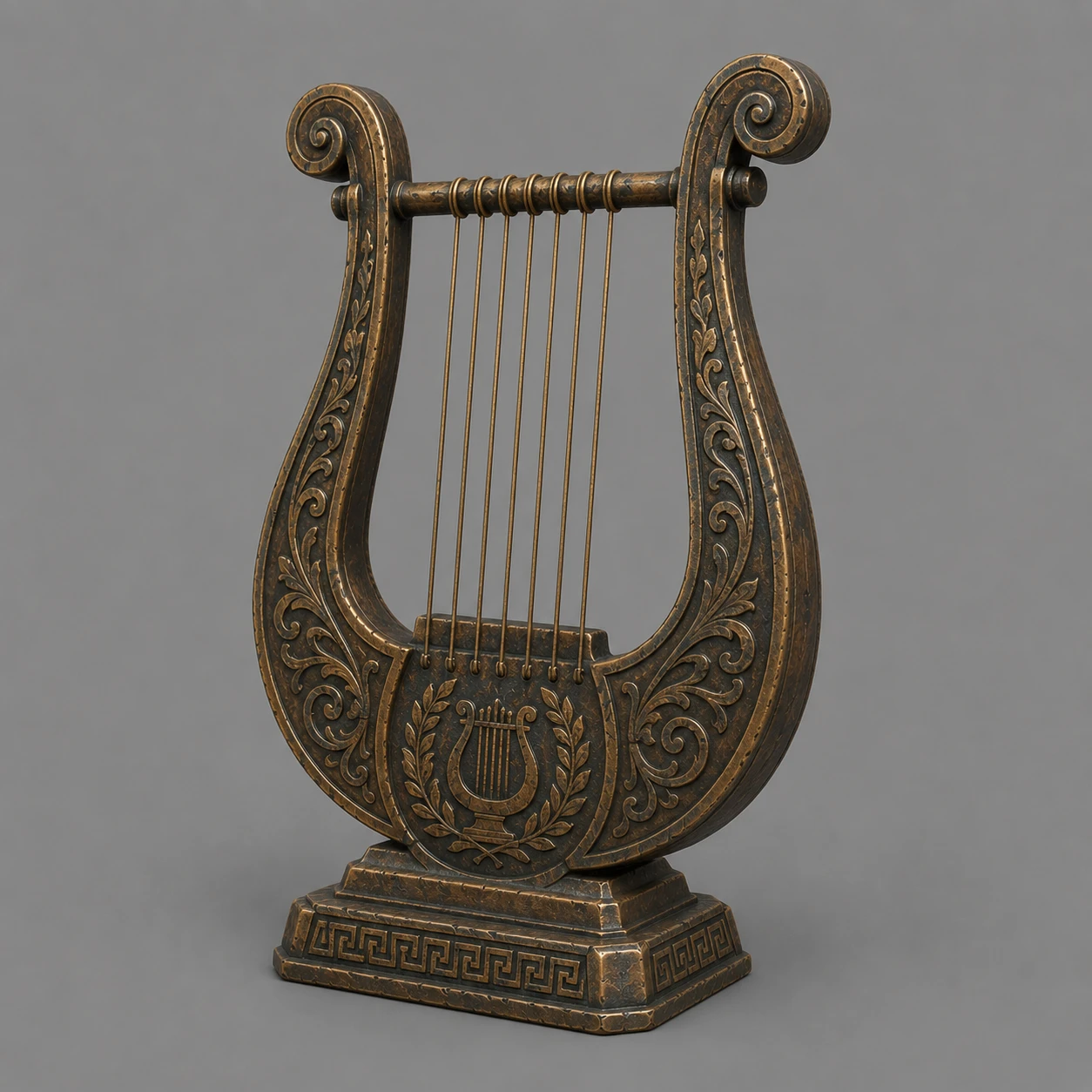
- Lyre: Tortoiseshell, Plektron, and Apollo's Wisdom Greek lyres accompanied song at symposia and festivals; the chelys used tortoiseshell. Met Cypriot terracotta lyre player, ca. 750–600 BCE.
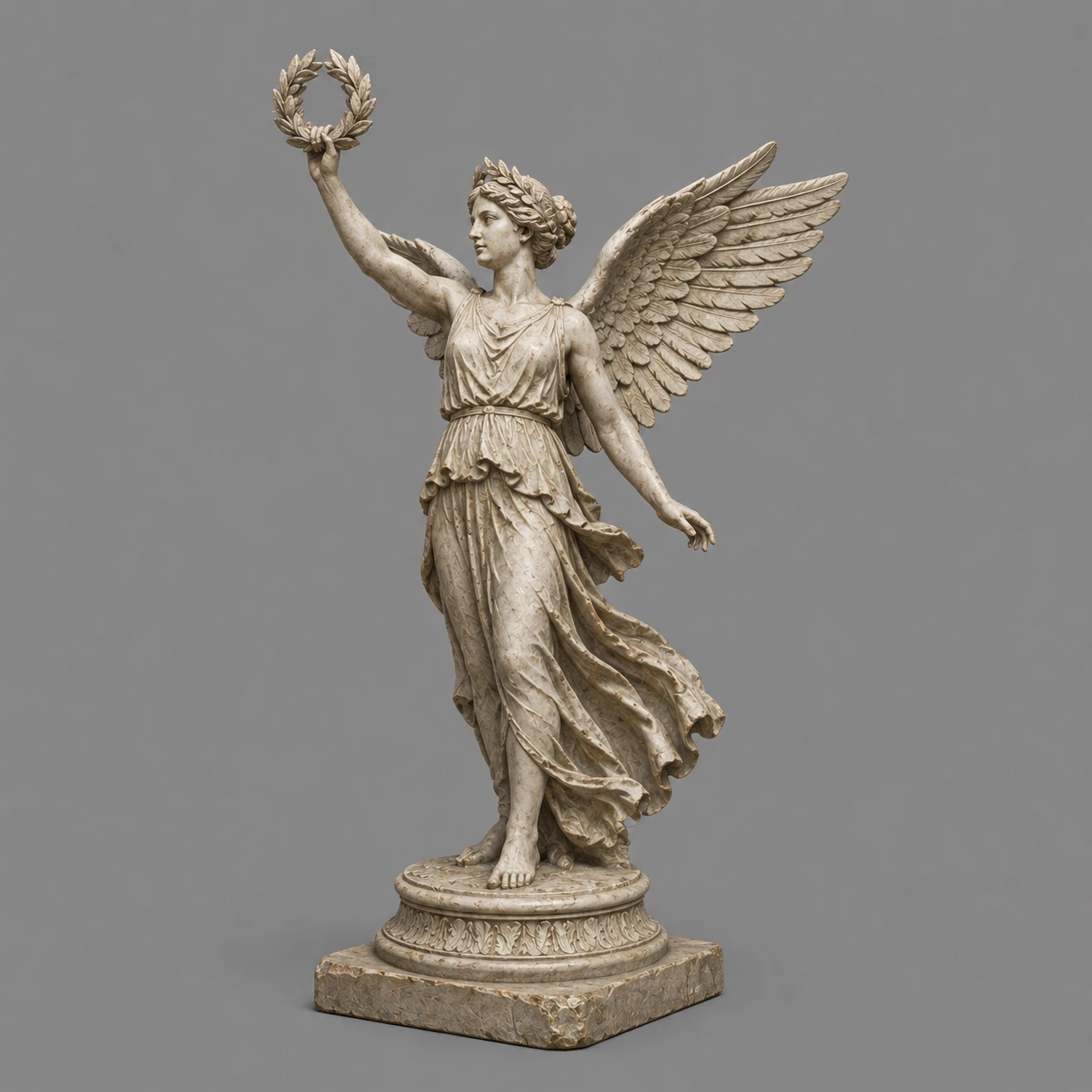
- The Winged Victory of Samothrace: Nike on a Ship's Prow The Louvre's Winged Victory of Samothrace: Hellenistic Nike from c. 200 to 175 BCE, wet drapery on Parian marble, found on Samothrace in 1863.
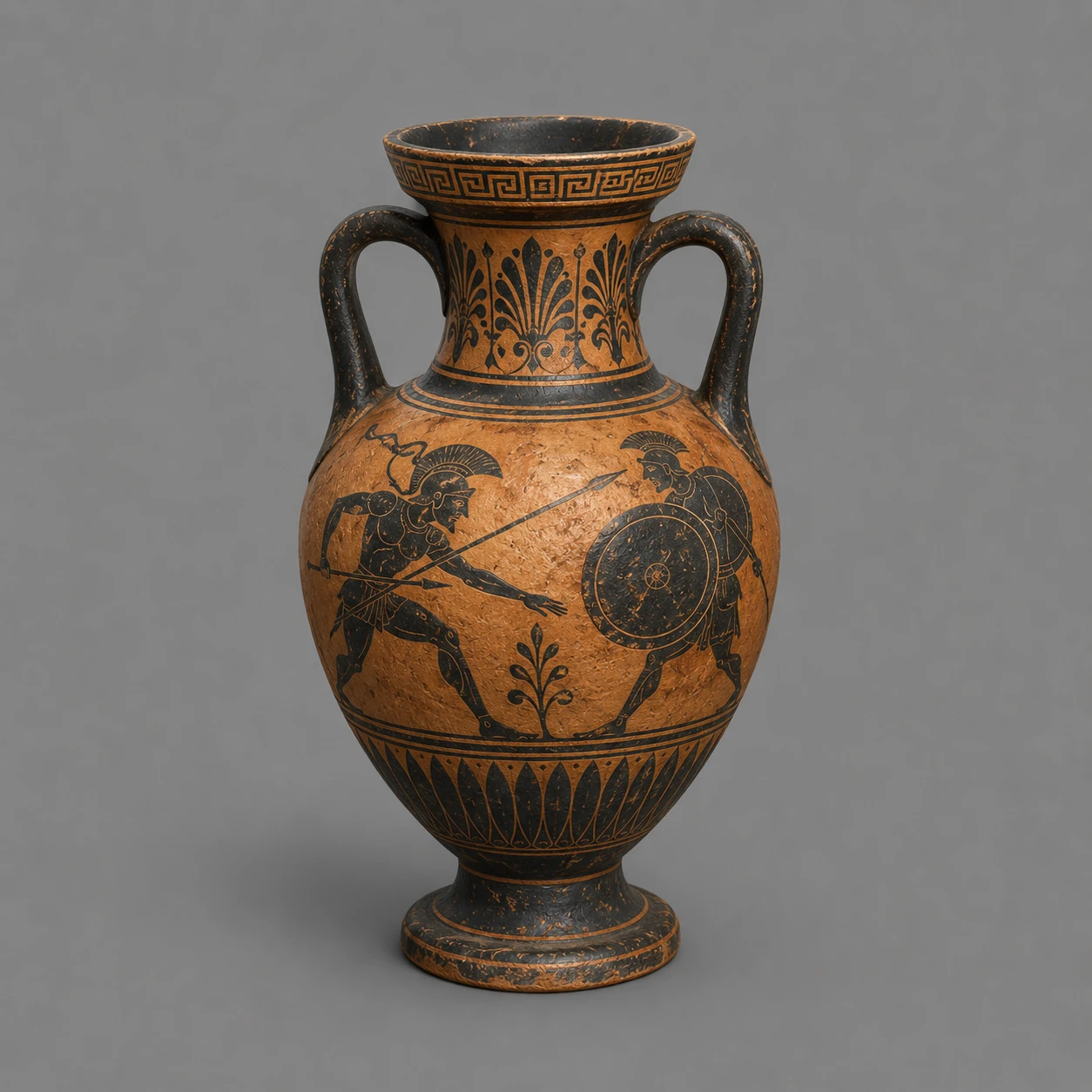
- Painted Amphora: Wine Jars, Black-Figure Battles, and Red-Figure Myth Attic neck-amphorae stored wine and oil in black- and red-figure paint. The British Museum holds Polygnotos' Achilles and Penthesileia jar, c. 450-430 BCE.
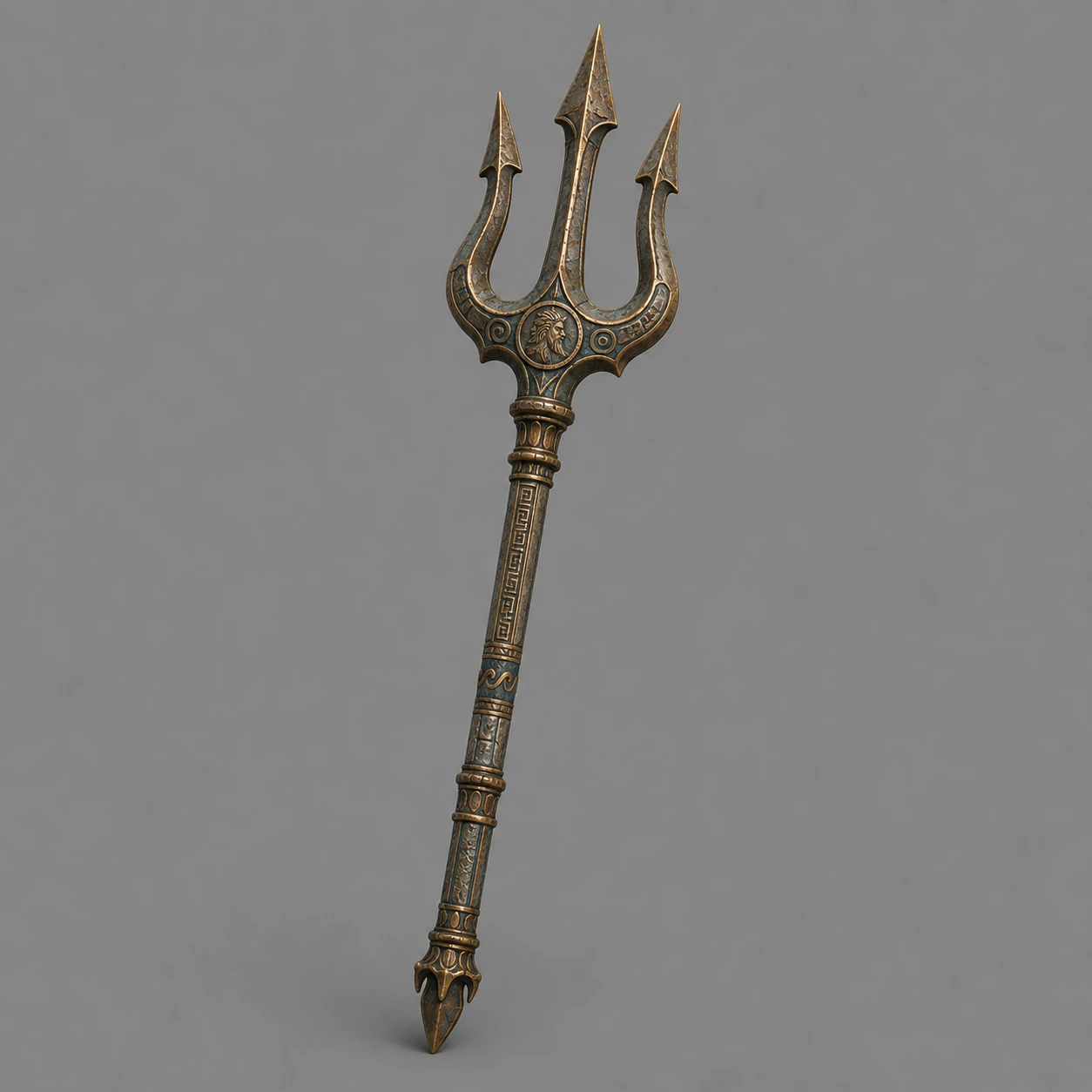
- Poseidon's Trident: The Greek Sea God's Three-Pronged Spear Athena's olive won Athens. Poseidon's spring on the Acropolis came up salt. An Attic cup in The Met still marks him by three prongs.
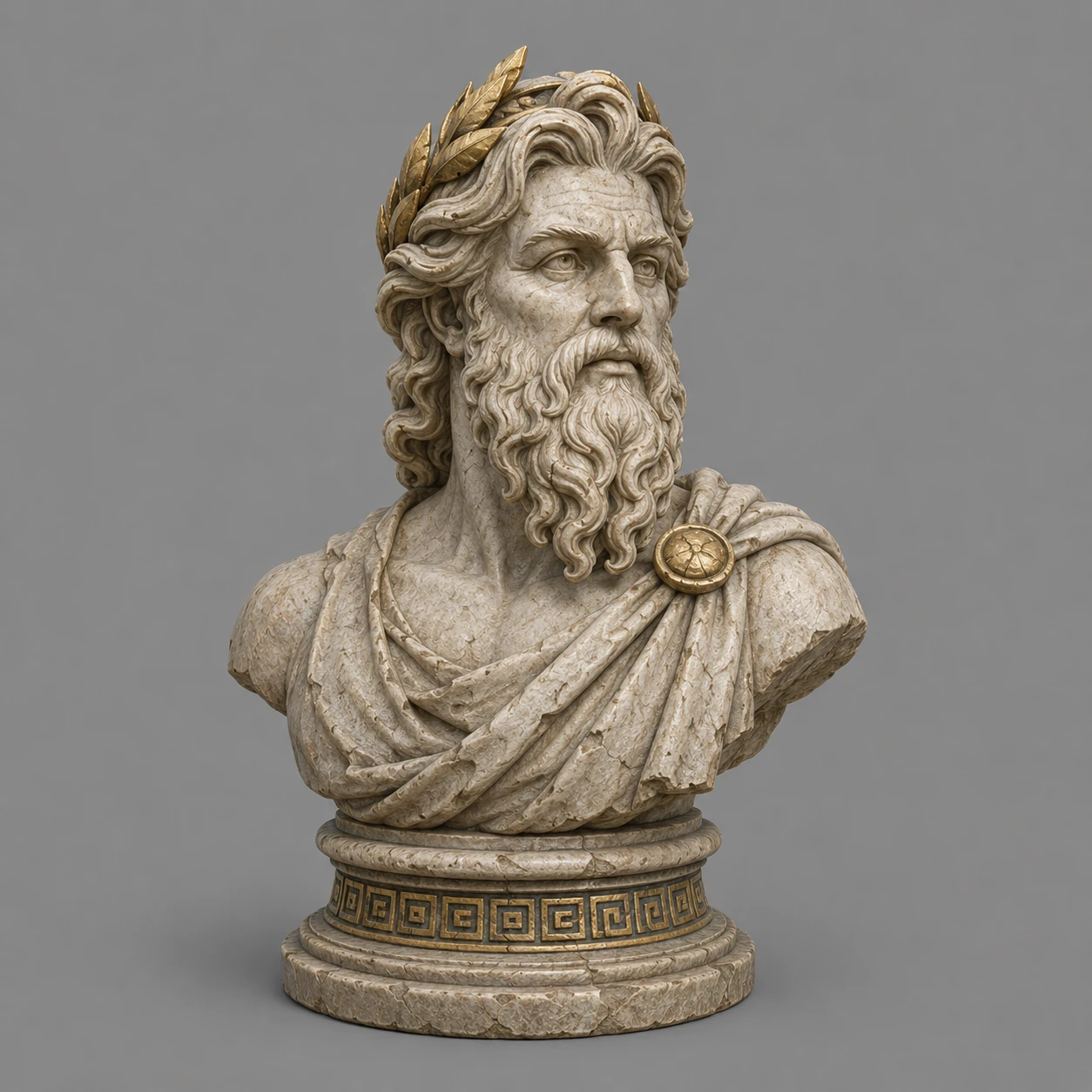
- Zeus Bust: King of the Gods in Bronze and Marble Zeus busts crowned Greek temples and treasuries. The Artemision Bronze (NM Br. 15161), c. 460–450 BCE, is read as Zeus hurling a thunderbolt.
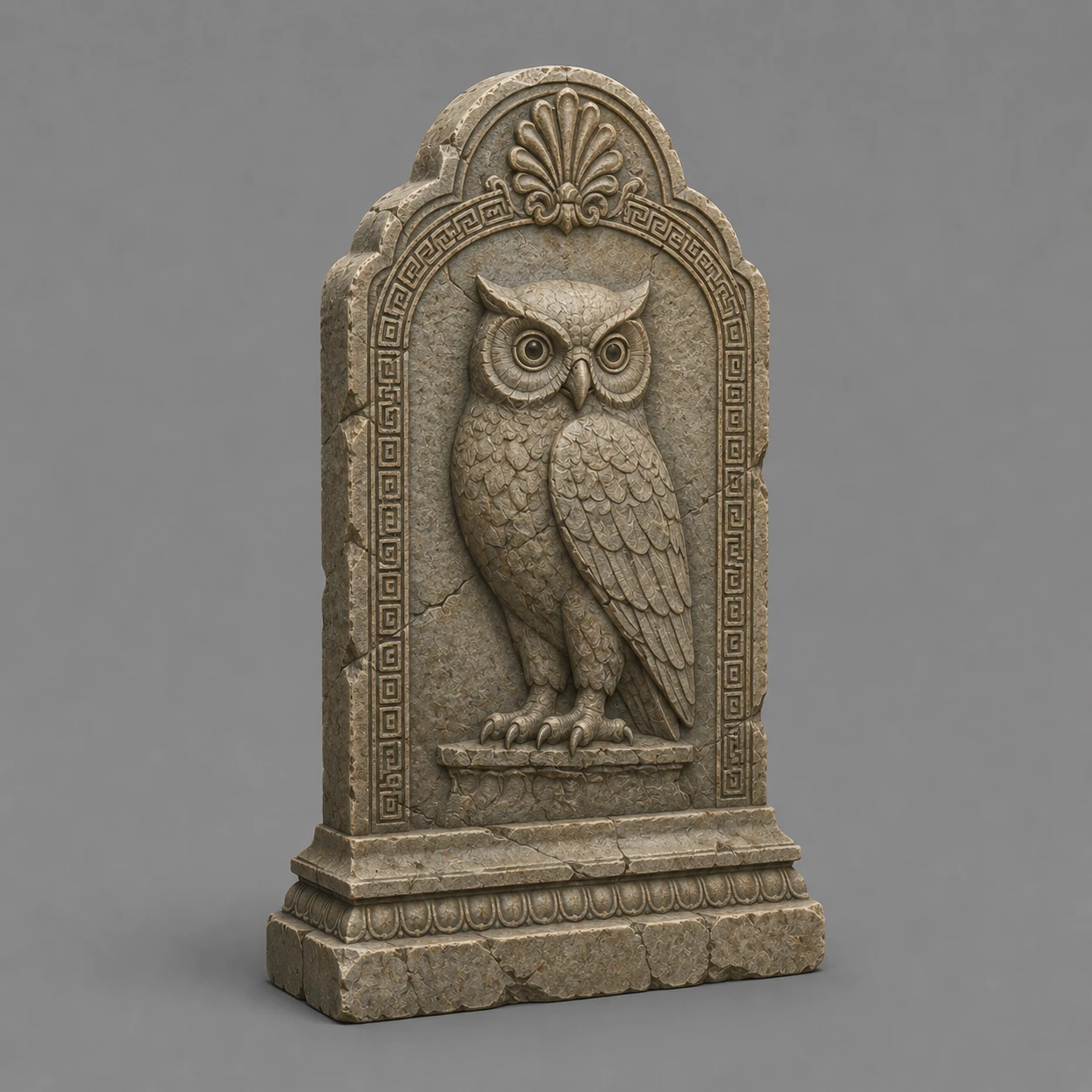
- Owl Stele: Athena's Bird on Athenian Stone The little owl marked Athena and Athens on coins from c. 515 BCE; Attic stelai served graves and votives. British Museum Athenian tetradrachm.
Rome
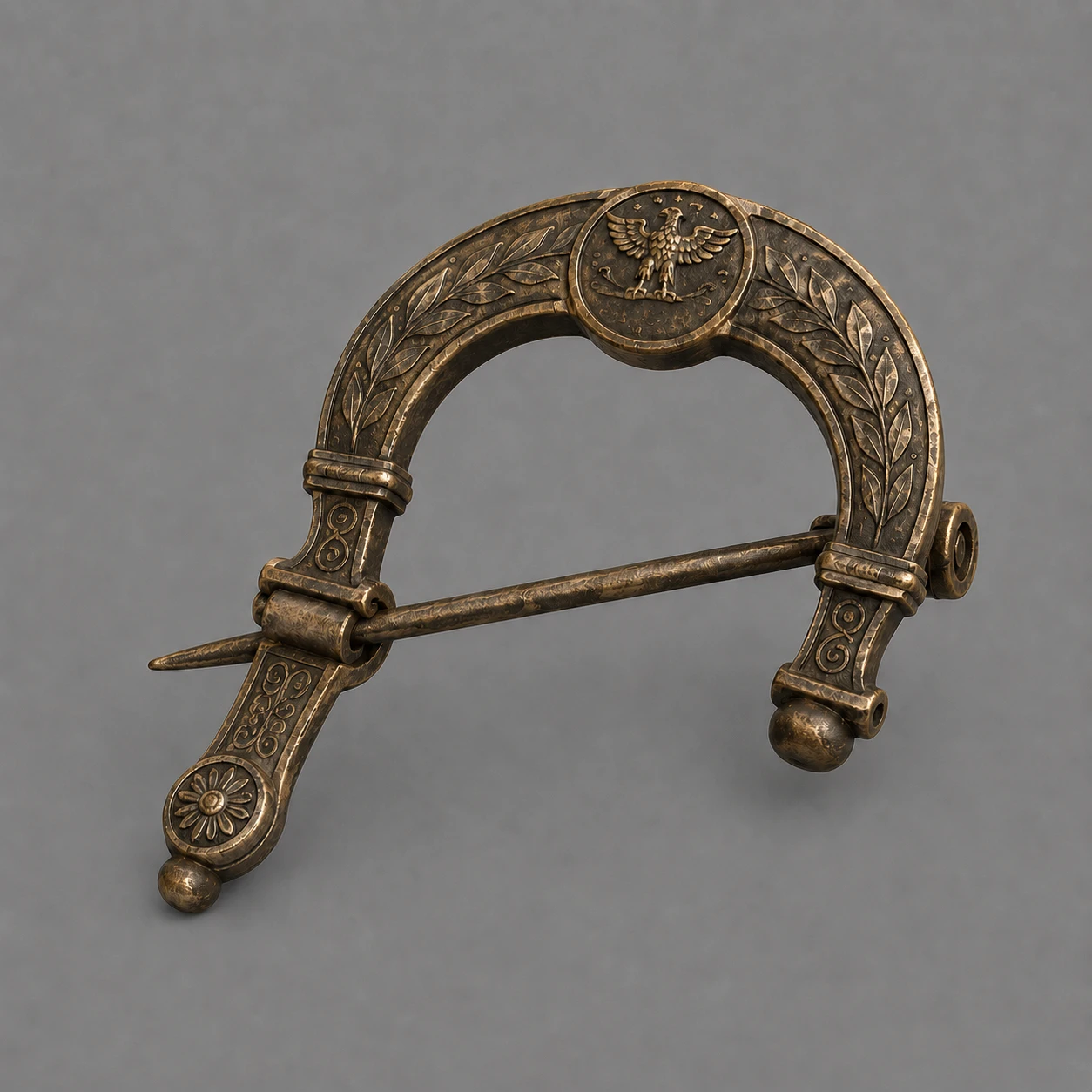
- Fibula Brooch: Rome's Pin Before the Button A hinged bronze pin fastened tunics and military cloaks across the Roman world. Museum typology turns fibula shapes into dating clues from Gaul to Britain.
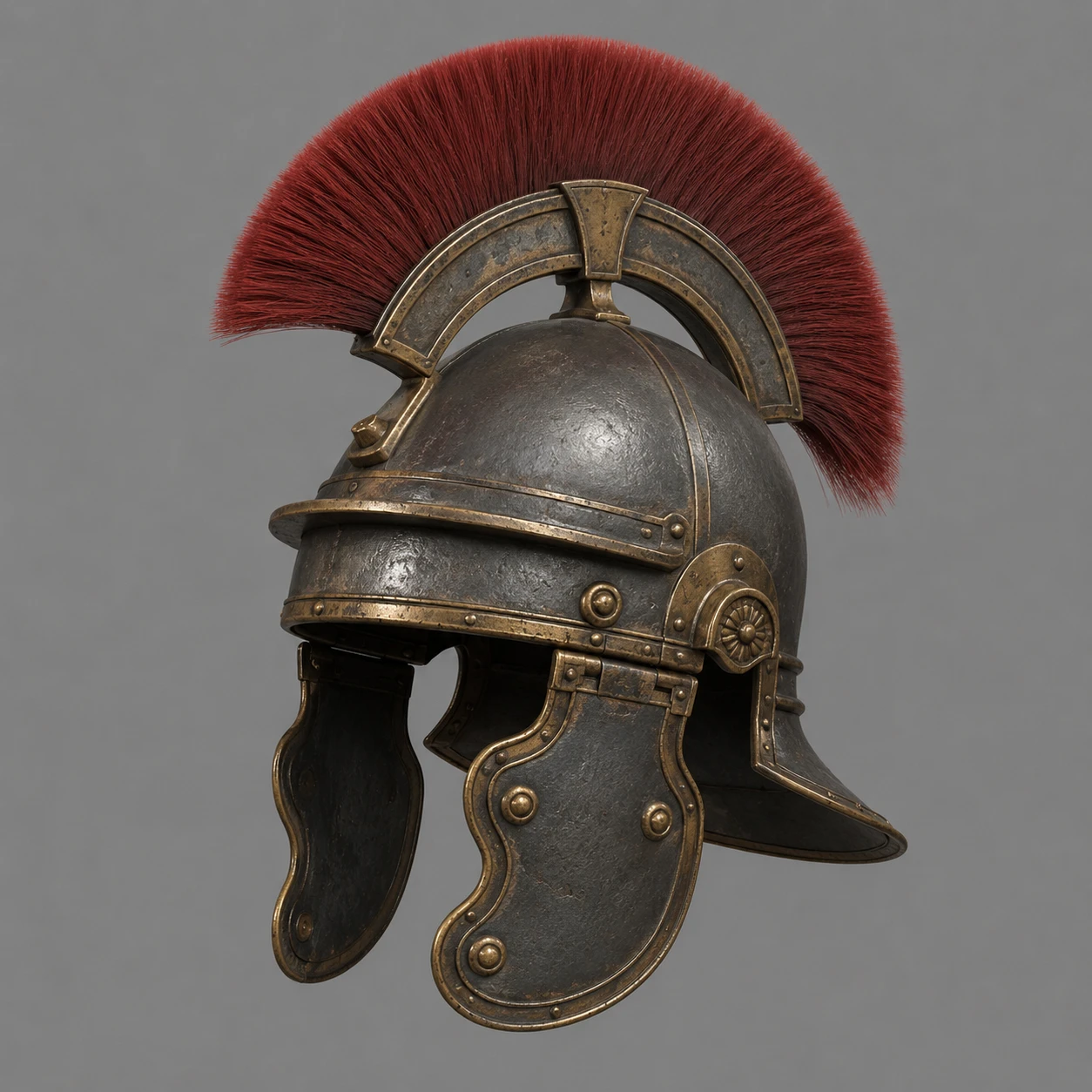
- What Is a Galea Helmet? Roman Legionary Headgear Montefortino, Coolus, Imperial Gallic: three names for one iron bowl, and the Celtic helmet in the British Museum behind Coolus.
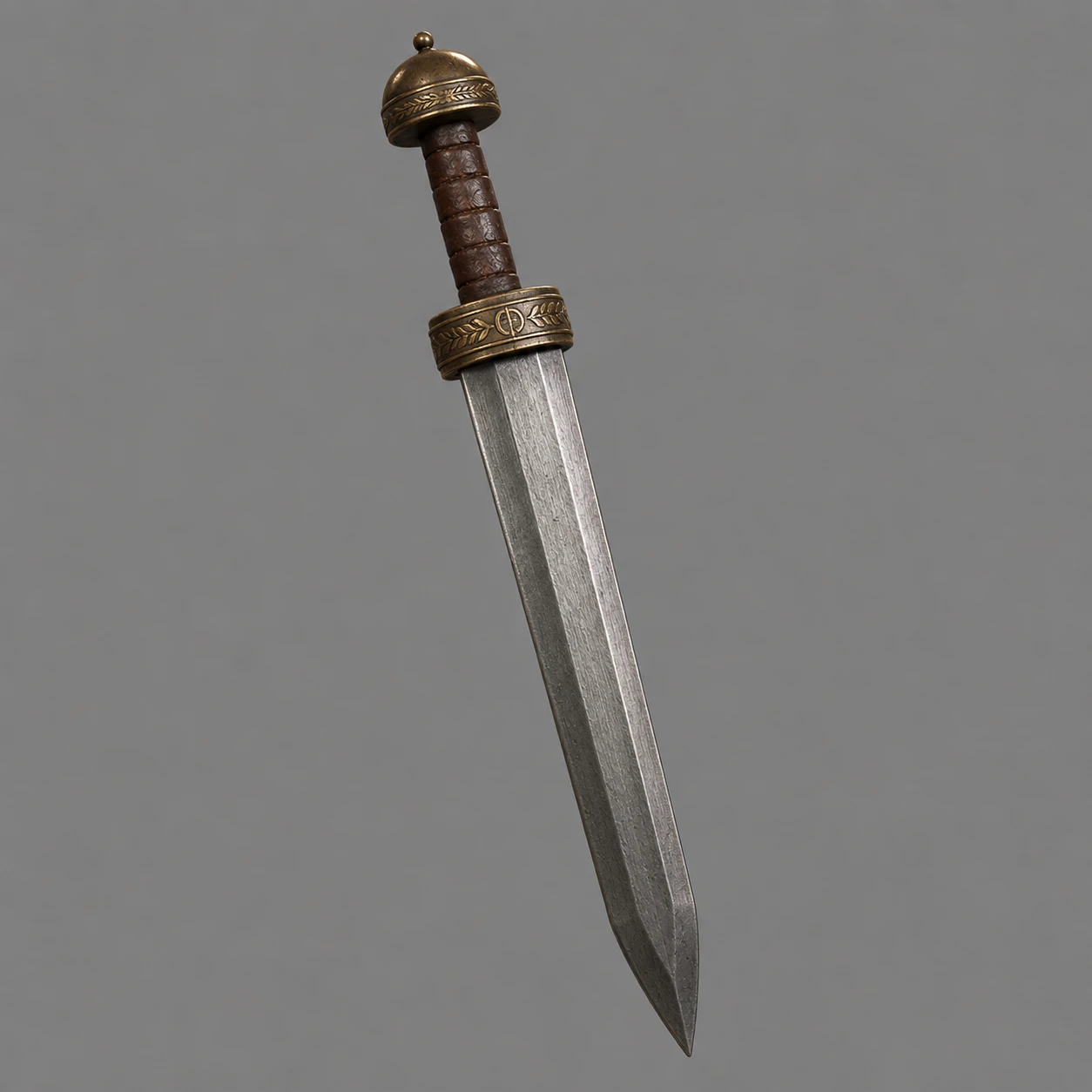
- Gladius: Rome's Short Sword for the Shield Wall The Roman gladius was a short double-edged sword for thrusting in close ranks, worn on the right hip. A gilded Mainz example from the Rhine is in London.
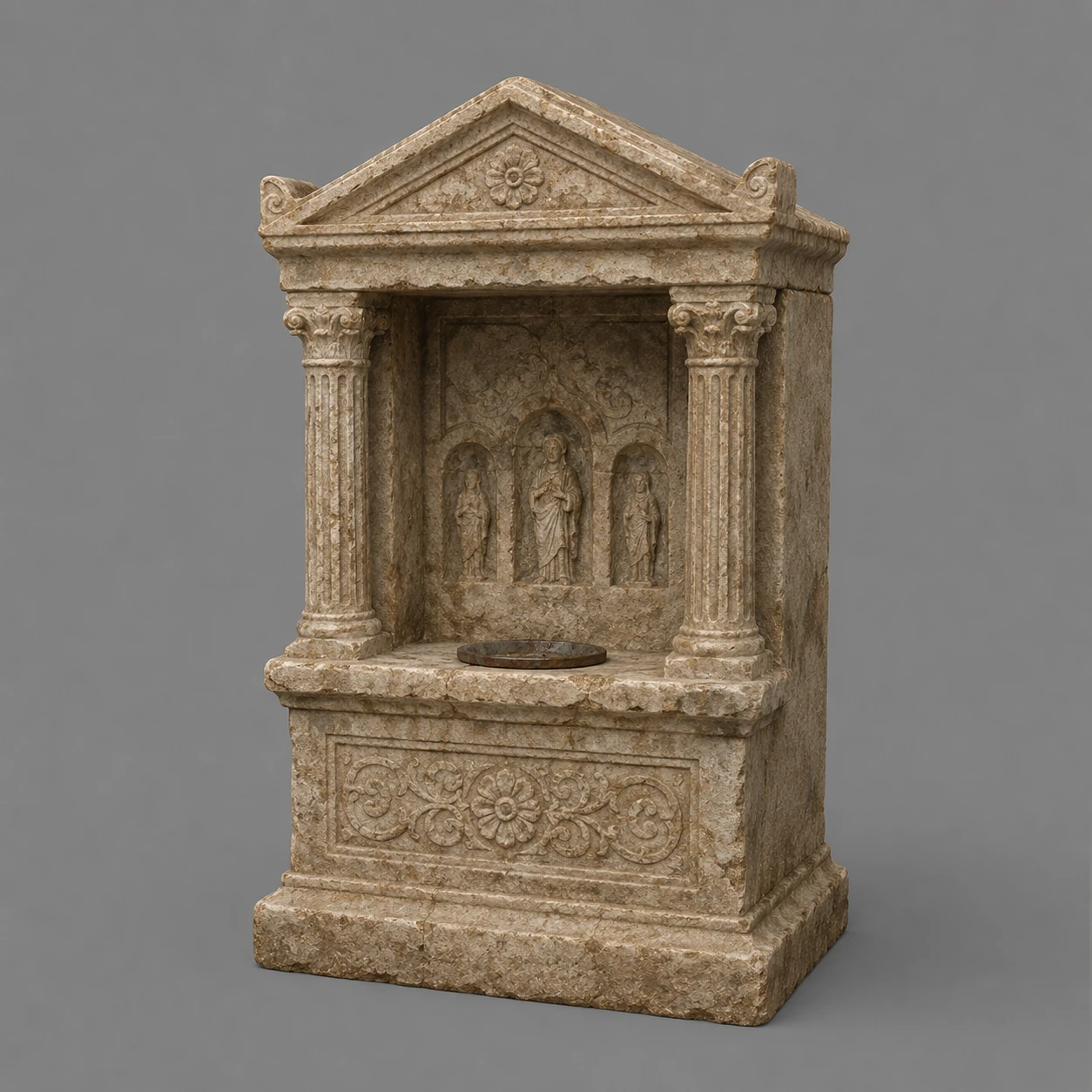
- Vetutius Placidus' Thermopolium: Pompeii's Painted Lararium Pompeii preserved over 300 domestic lararia as niches, aediculae, and wall paintings. Vetutius Placidus' thermopolium keeps a painted Genius sacrifice scene.
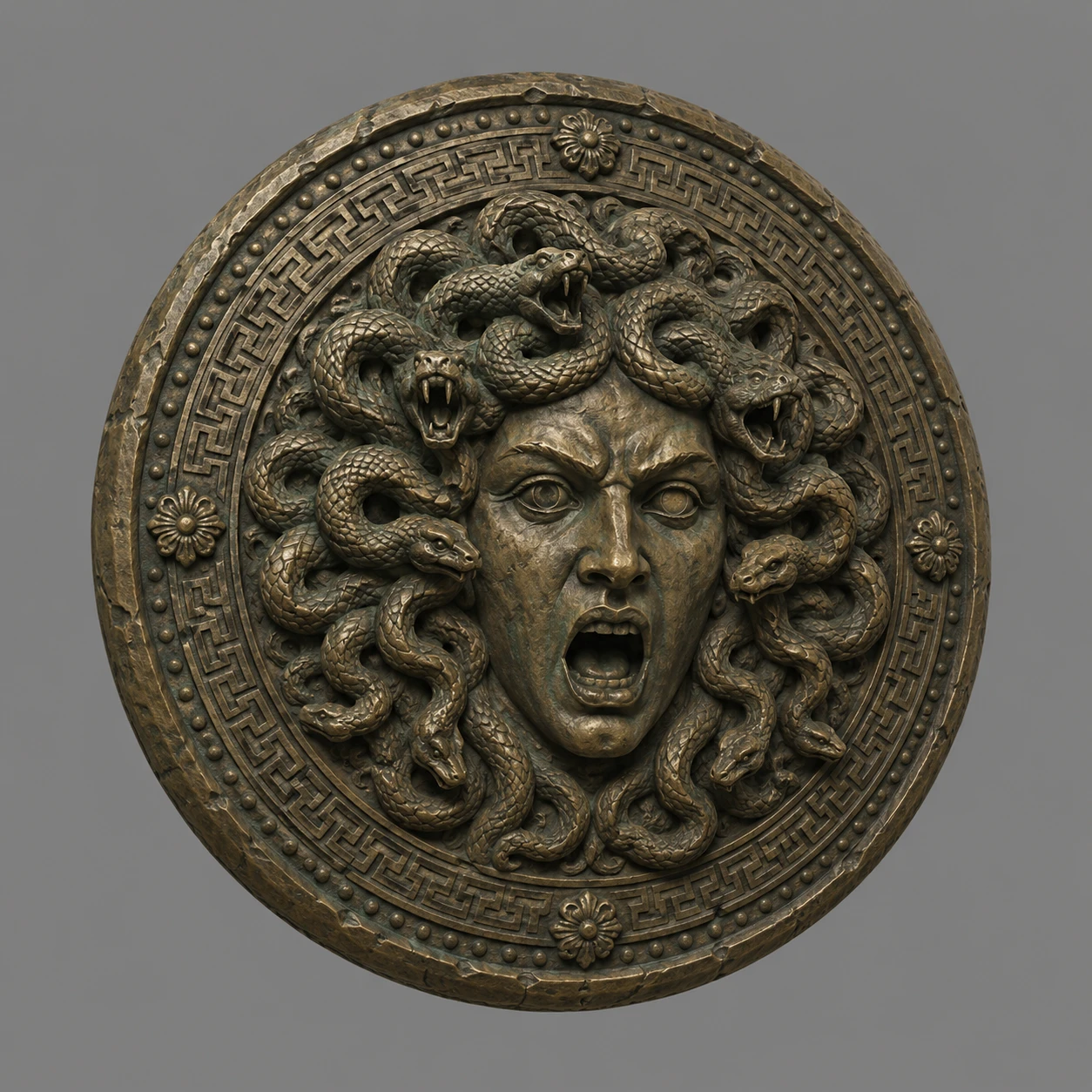
- Medusa Relief: Rome's Apotropaic Gorgoneion Roman Medusa reliefs humanized the gorgoneion for walls, armor, and floors. Met ring 10.130.1428, 3rd c. AD, served as a protective amulet.
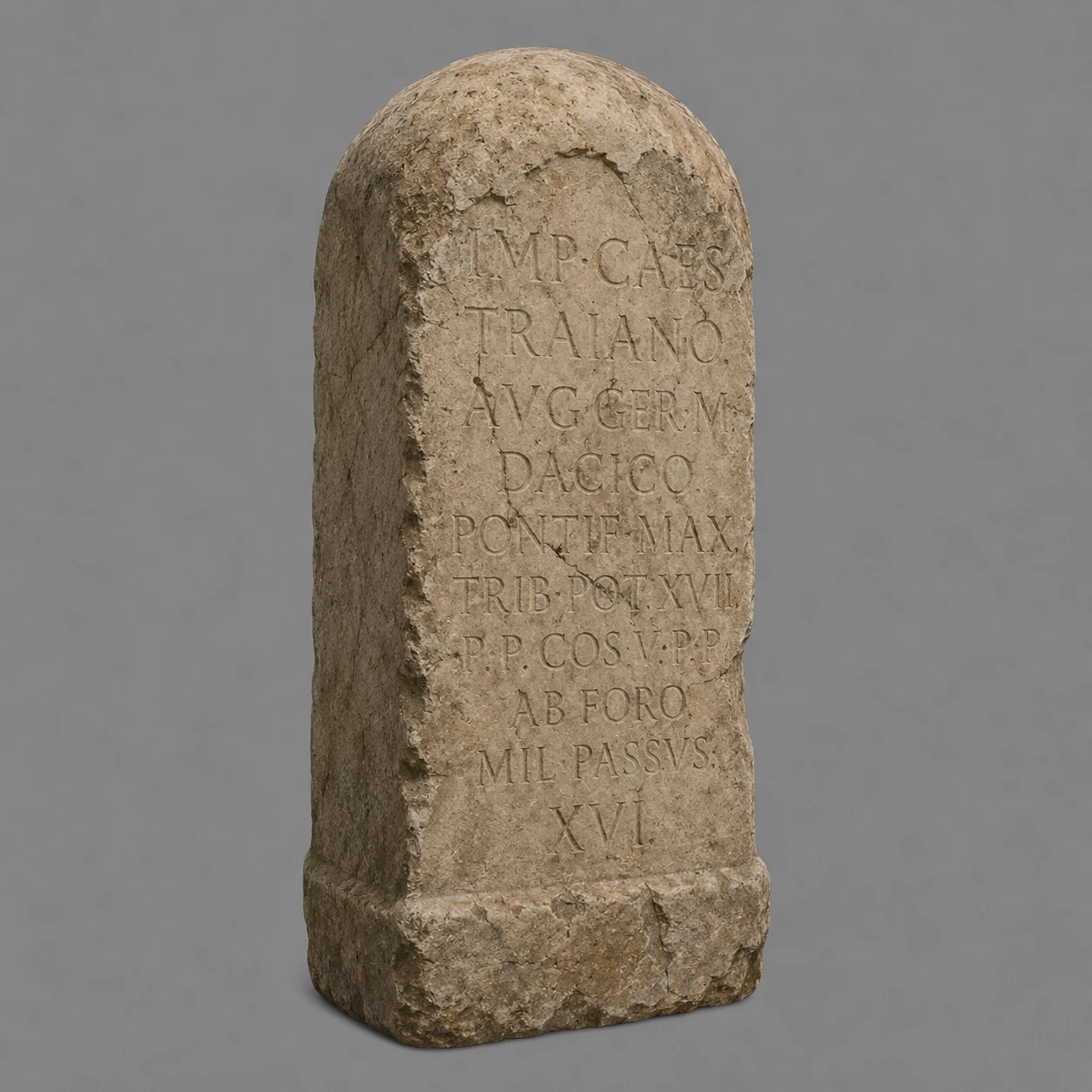
- Roman Milestones: Stone Columns That Counted Miles to Rome Roman milestones (miliaria) marked each mile from the Via Appia in 312 BCE. Columns gave the mile number, distance to Rome, and repair inscriptions.
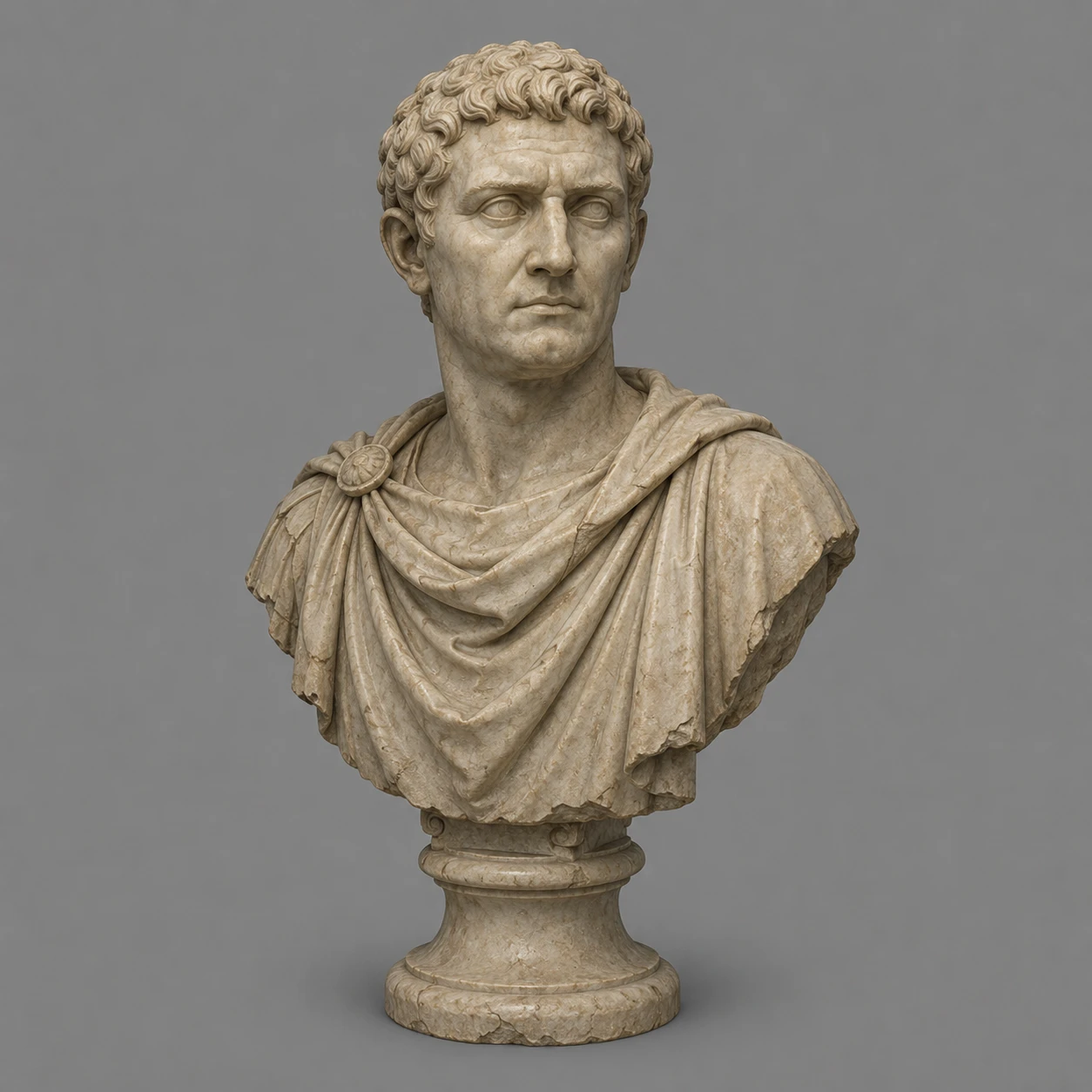
- Marble Bust 12.233: Republican Verism at the Metropolitan Museum Roman portrait busts hung in lararia and tombs. The Met's marble bust 12.233, mid-1st century CE, revives grim-faced Republican realism in Julio-Claudian Rome.
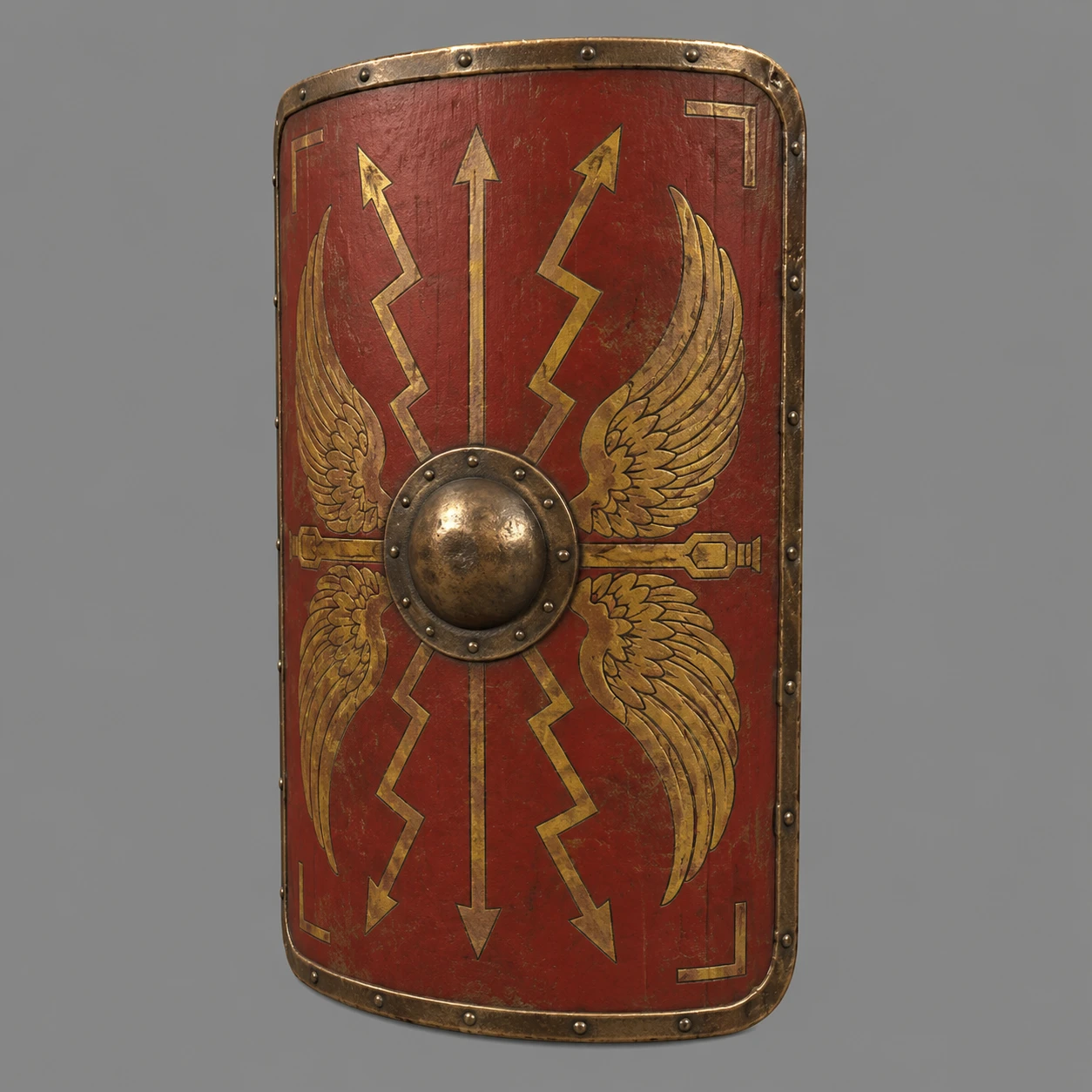
- Scutum: Rome's Curved Legionary Board from Round to Rectangle The Roman scutum was semi-cylindrical plywood about four feet tall, calfskin-covered. The only intact legionary shield survived at Dura-Europos in Syria.
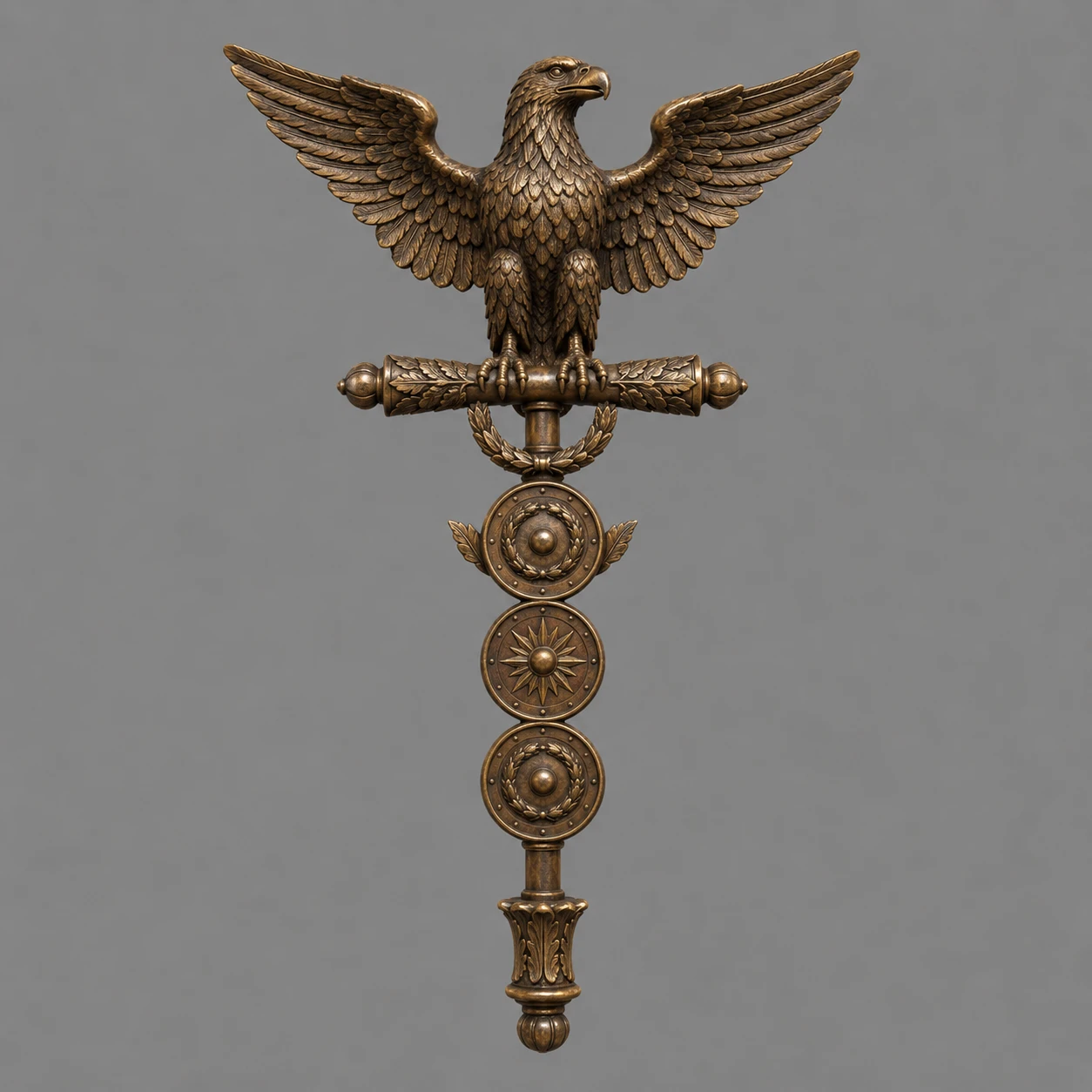
- What Is an Aquila? Rome's Legion Eagle Standard Three eagles vanished with Varus in the Teutoburg Forest in 9 CE. Germanicus recovered two. No legionary aquila sits in a museum case.
Japan
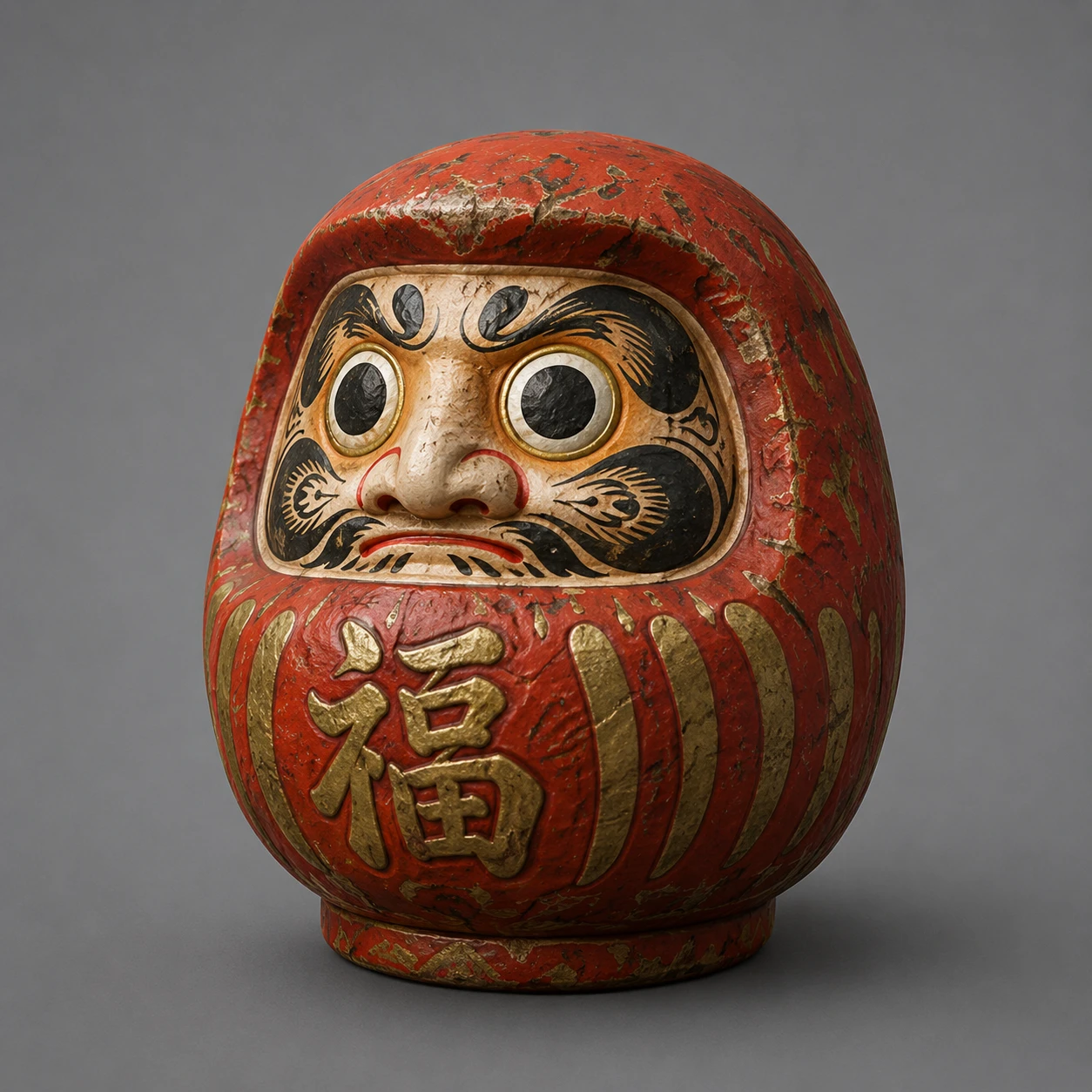
- Daruma in Red: Bodhidharma on a 15th-Century Met Scroll A hollow papier-mache Daruma doll marks goals with one painted eye. Bodhidharma lore, Takasaki craft, and a late 15th-century red-robes scroll at the Met
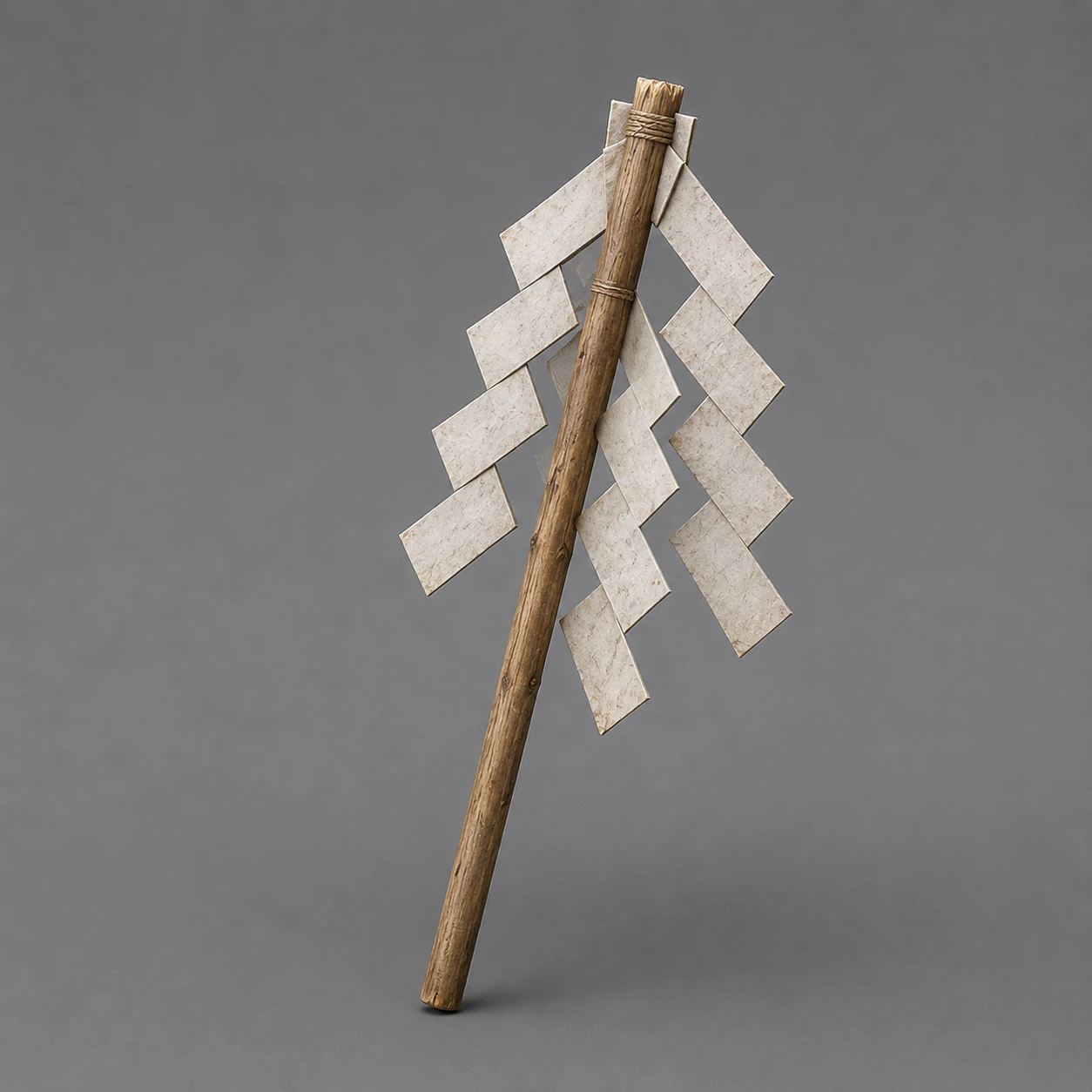
- What Is a Gohei? Japan's Paper Streamer Ritual Wand A gohei is the Shinto wand with twin zigzag paper shide streamers. From cloth offering to purification tool, and a Met helmet crest in gohei form.
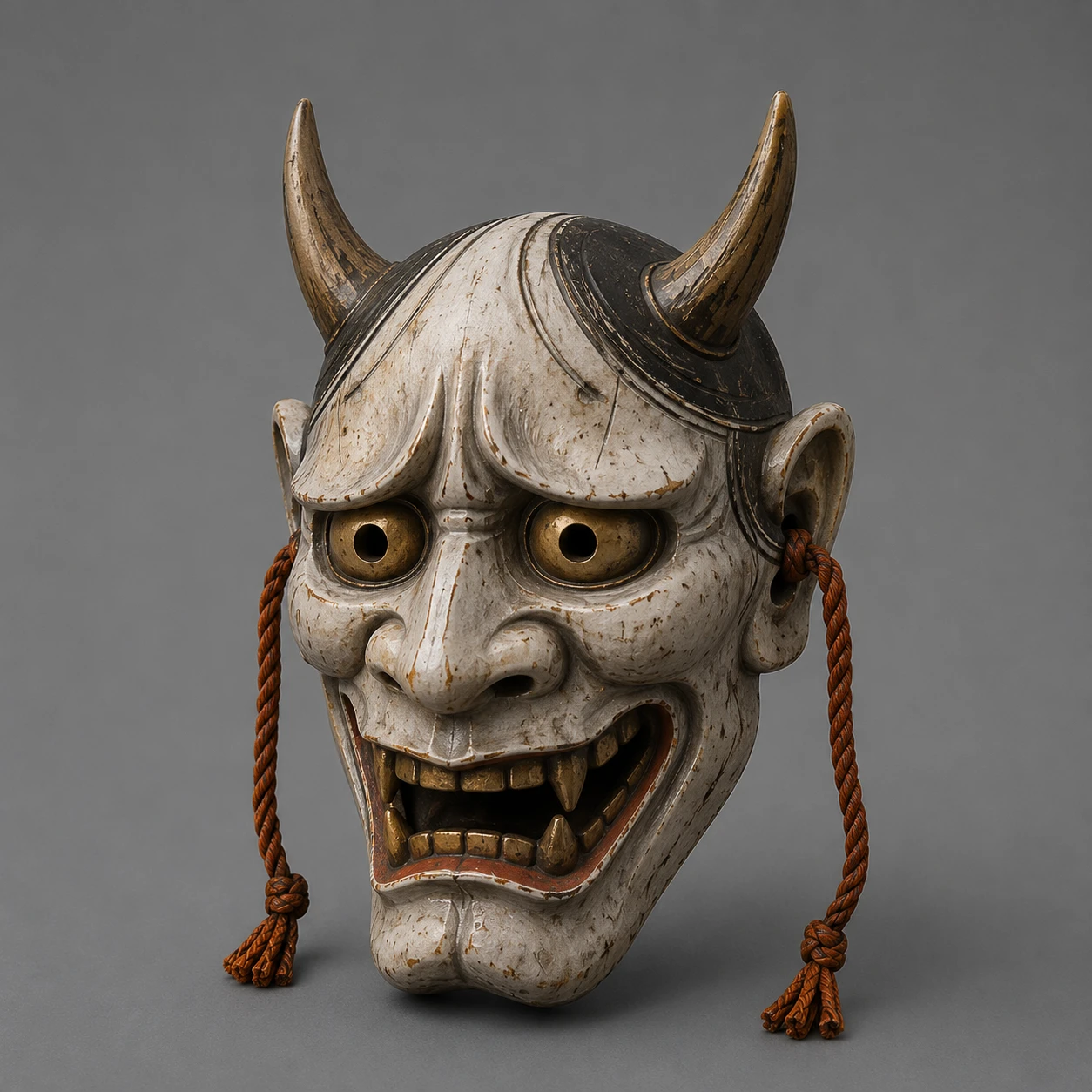
- Hannya: Horns and Gold Eyes on the Noh Stage The Hannya is a carved Noh mask of a jealous spirit with horns and gilt eyes. Aoi no Ue, tilt from rage to grief, and an 18th-century Met study of the type.
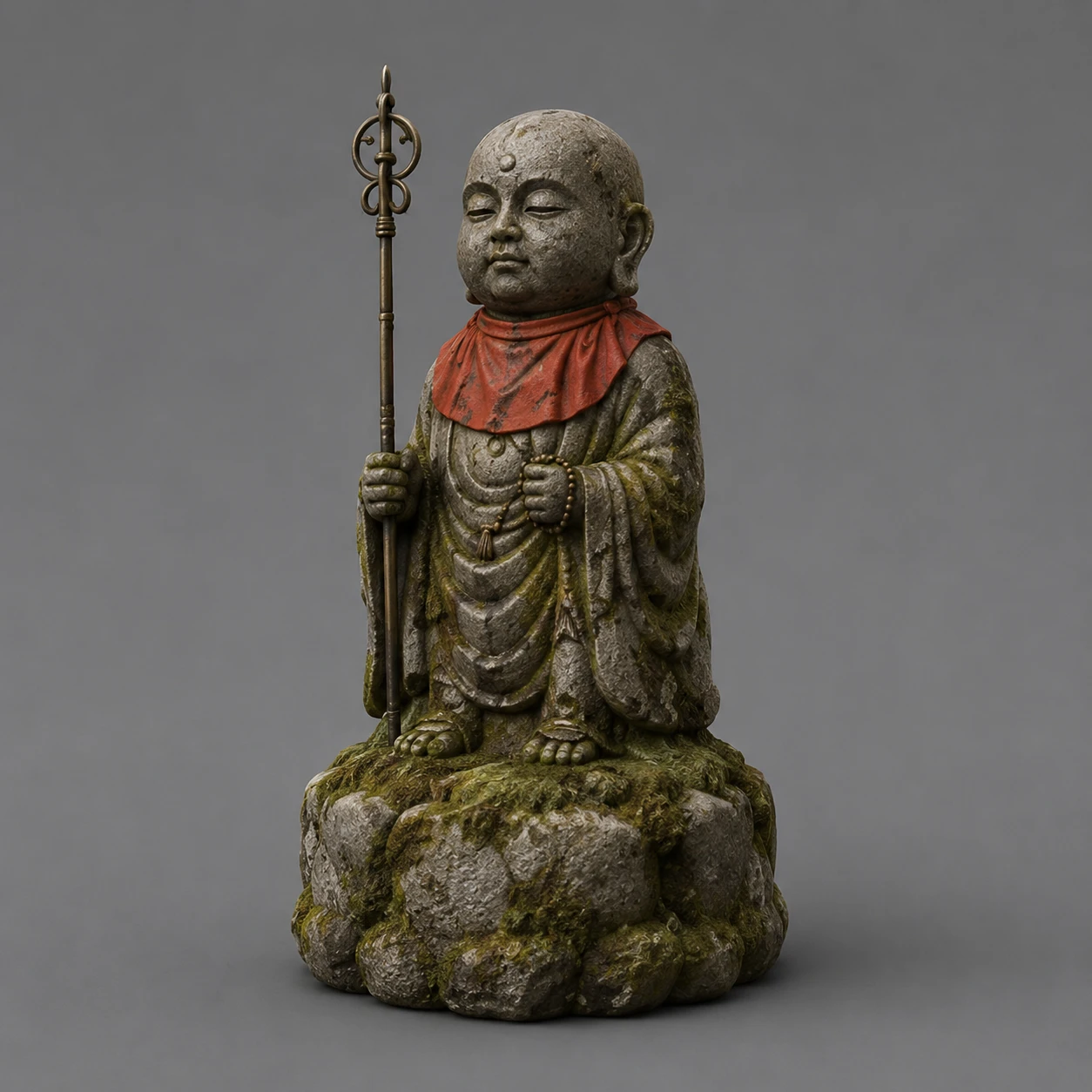
- What Is a Jizo? Japan's Guardian Monk of Roads and Children A Jizo statue is the roadside monk of Japanese Buddhism who guards travelers and children. From Kshitigarbha to Intan's 1291 sculpture at The Met.
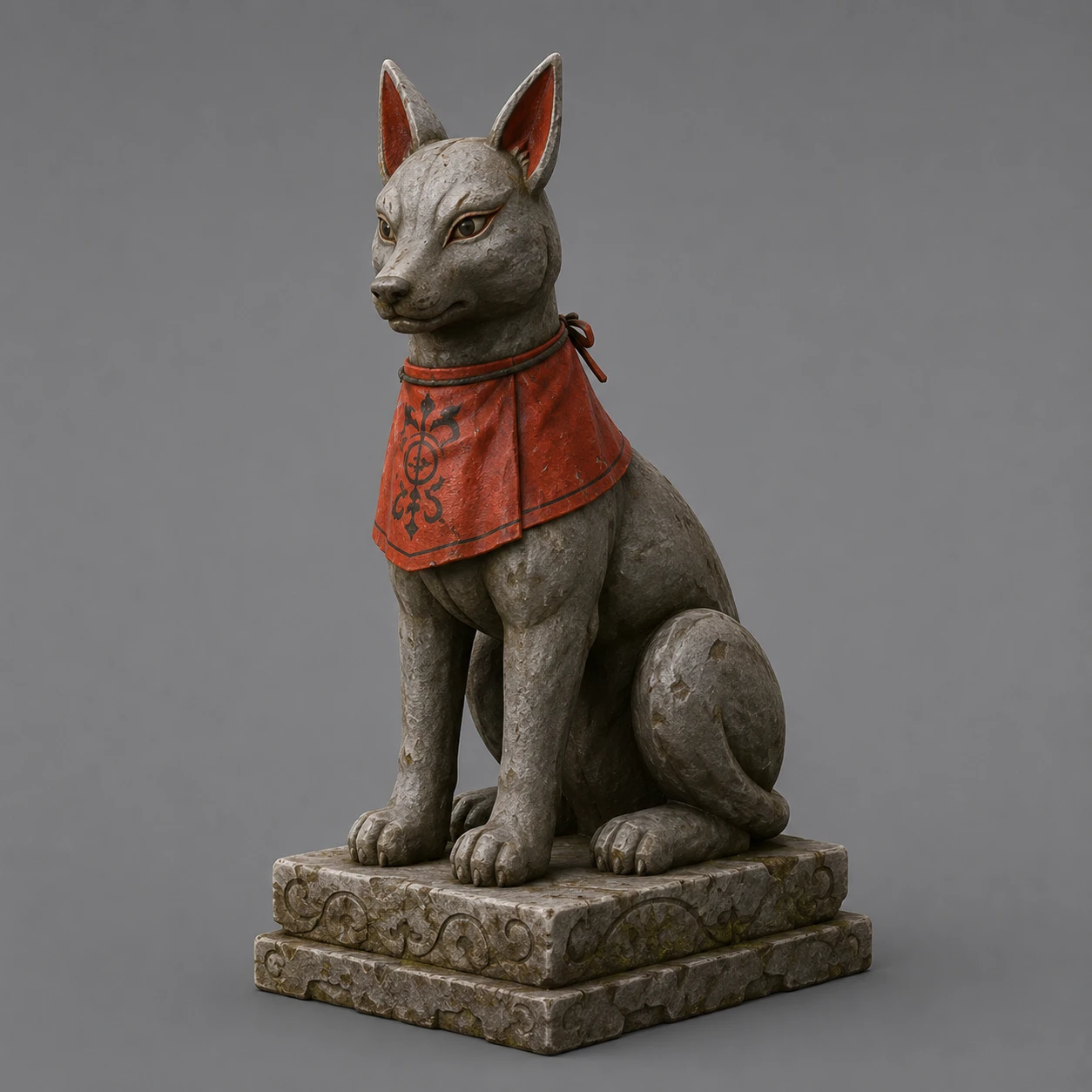
- What Is a Kitsune? Japan's Fox of Shrine and Story Kitsune foxes guard Inari shrines as divine messengers. Folklore, seated stone statue types, and Hiroshige's 1857 print of foxfires at Ōji Inari in The Met.
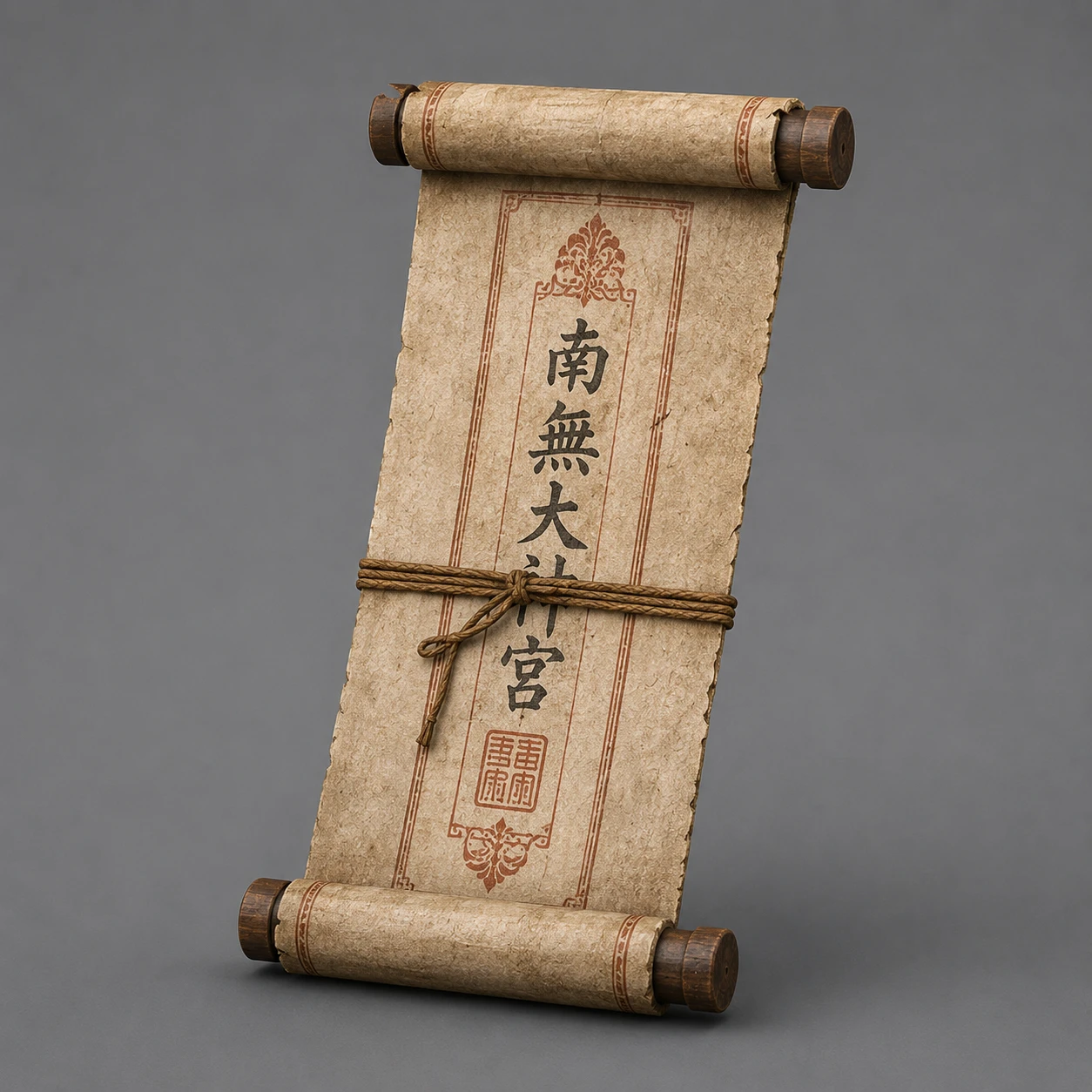
- Norito and Kyō: Prayer Words Rolled at Shrine and Temple Norito prayers at shrines and Buddhist kyō on handscrolls share the rolled makimono form. A 12th-century Lotus Sutra chapter at the Met shows gold ink on indigo
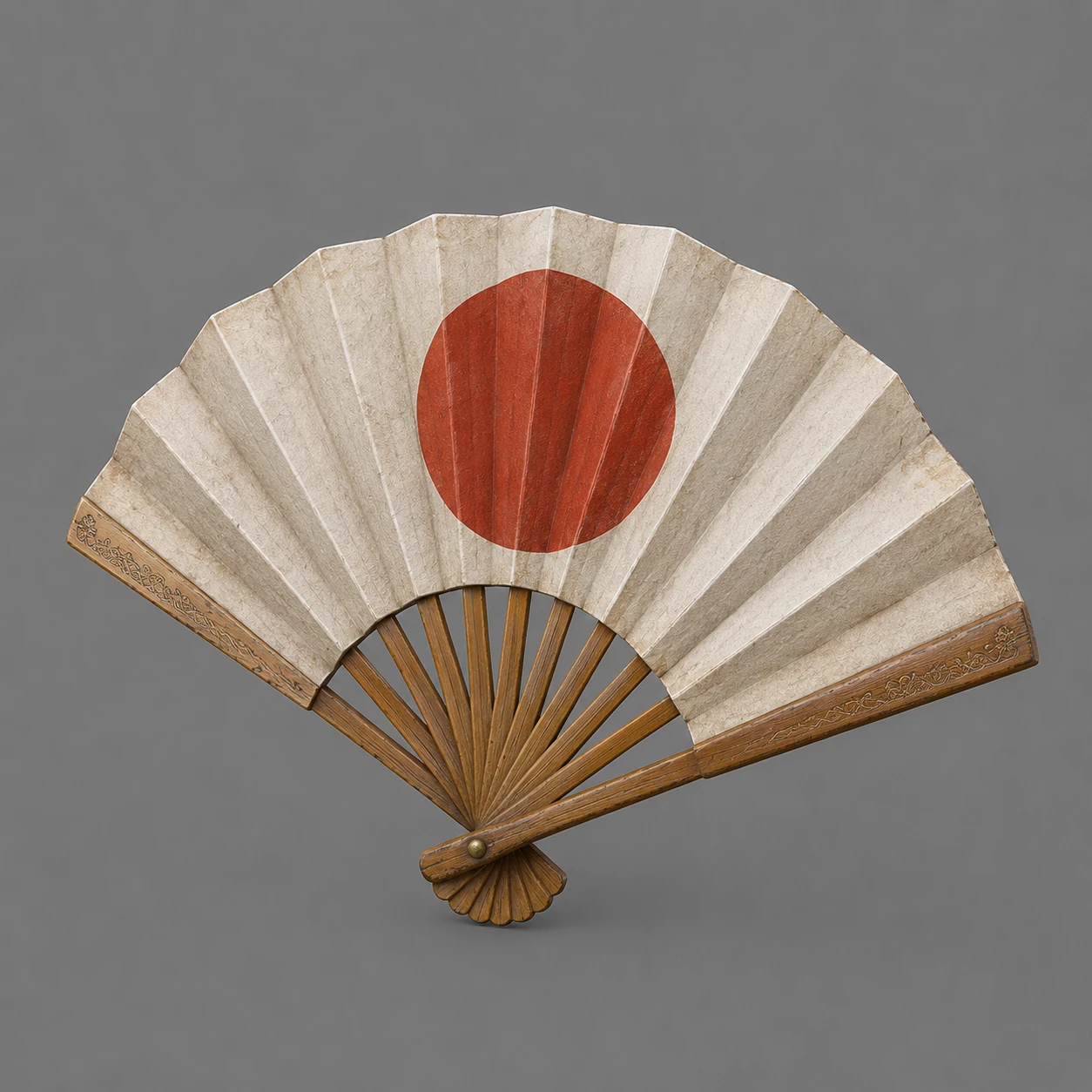
- What Is a Ritual Fan? Ōgi and Torimono in Shinto Kagura Miko carry folding ōgi as torimono in kagura dance for the kami. A Met chūkei fan for Noh deity roles shows gold leaf and bamboo ribs at shrine scale
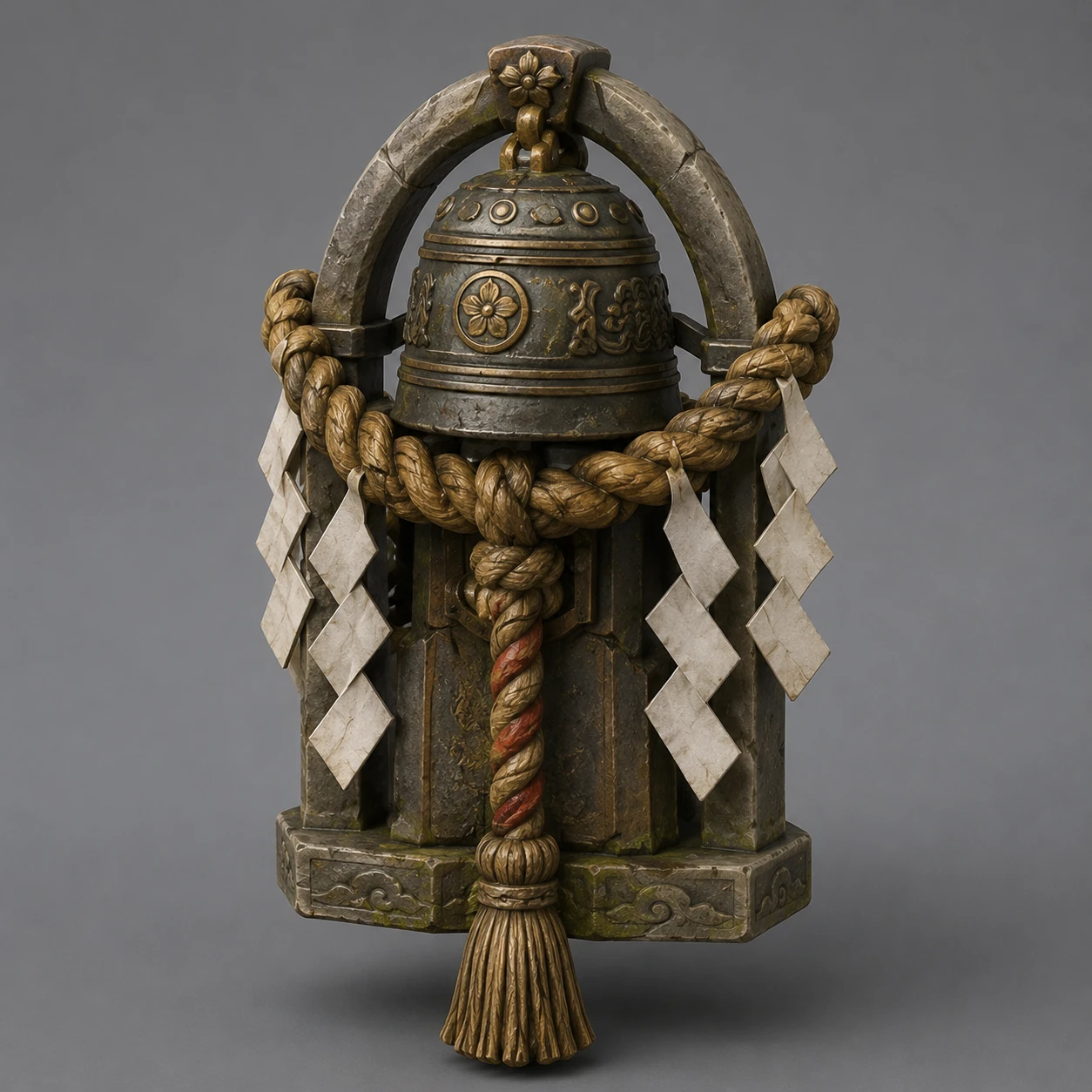
- What Is a Shrine Bell? Japan's Suzu for Worship and Kagura Japan's shrine bell is the suzu, a crotal bell rung to call kami before prayer. From kagura dance to The Met's 1699 Miwa bell tree.
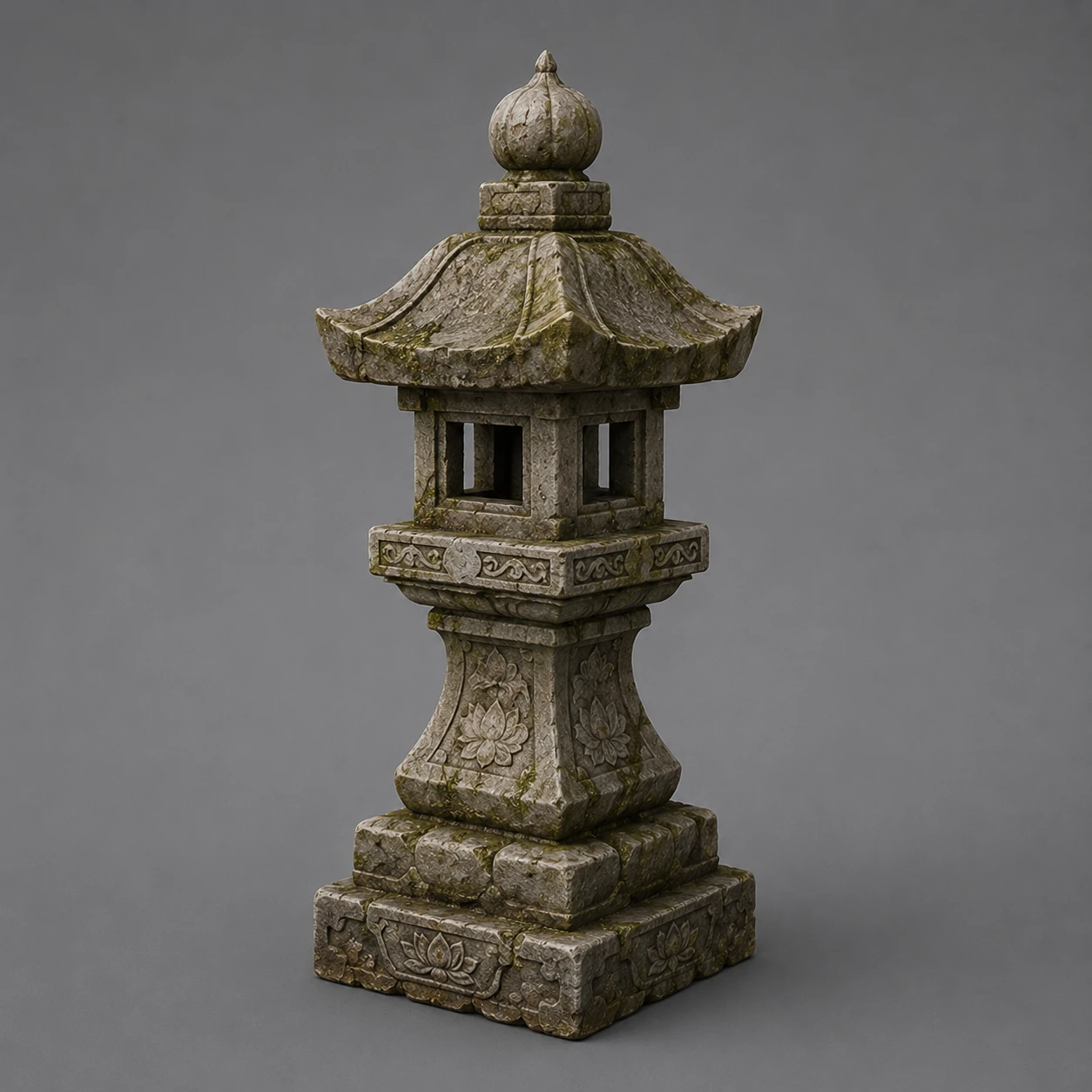
- Shrine Path Lights: Stone Lanterns from Heian to Tea Gardens A stone lantern lines the shrine sandō with carved granite tiers. Heian adoption, Kasuga's 2,000 gifts, and a Kamakura piece you can still see in Kyoto.
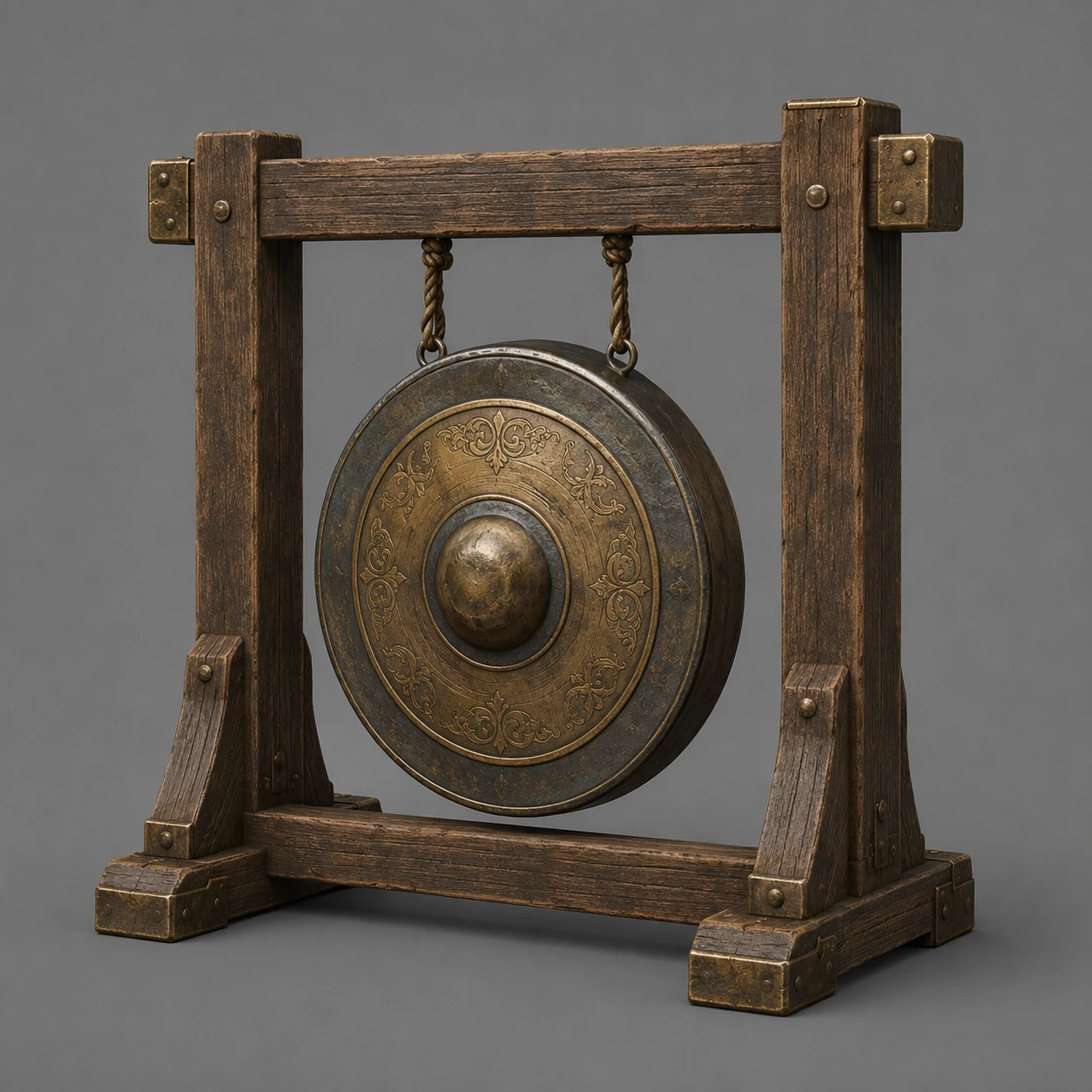
- Bonshō: Japan's Bronze Bell in the Temple Tower A bonshō hangs mouth-down in the shōrō and is struck with a wooden shūmoku. From Nara bronze to joya no kane 108 New Year peals and Hōryū-ji's old bell.
- Kōro and Jōkōro: Scented Smoke at Shrine and Temple A kōro holds ash and incense at a shrine or temple. Buddhist rites from the 6th century, kōdō games, and a 17th-century akoda kōro at the Met with crane lacquer
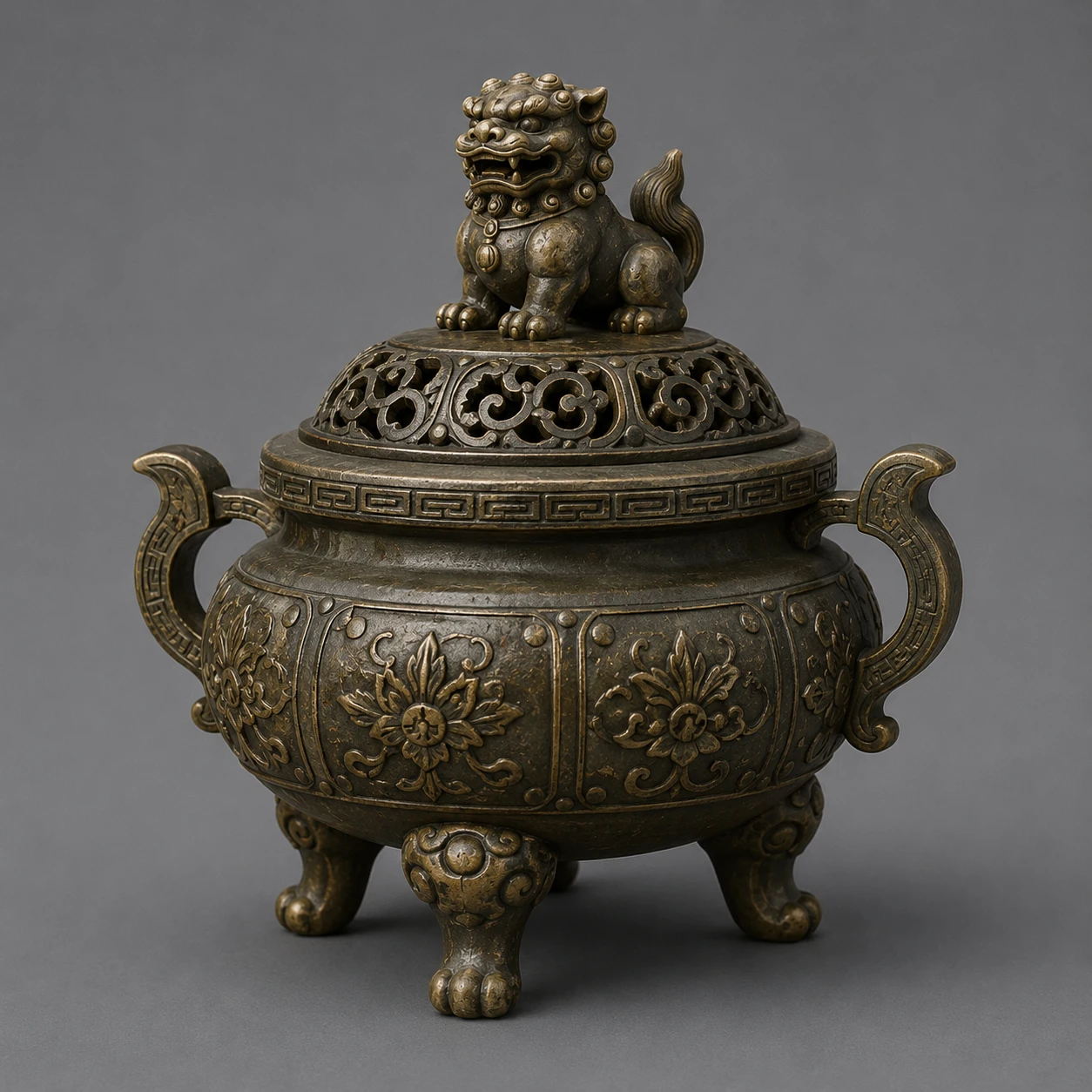
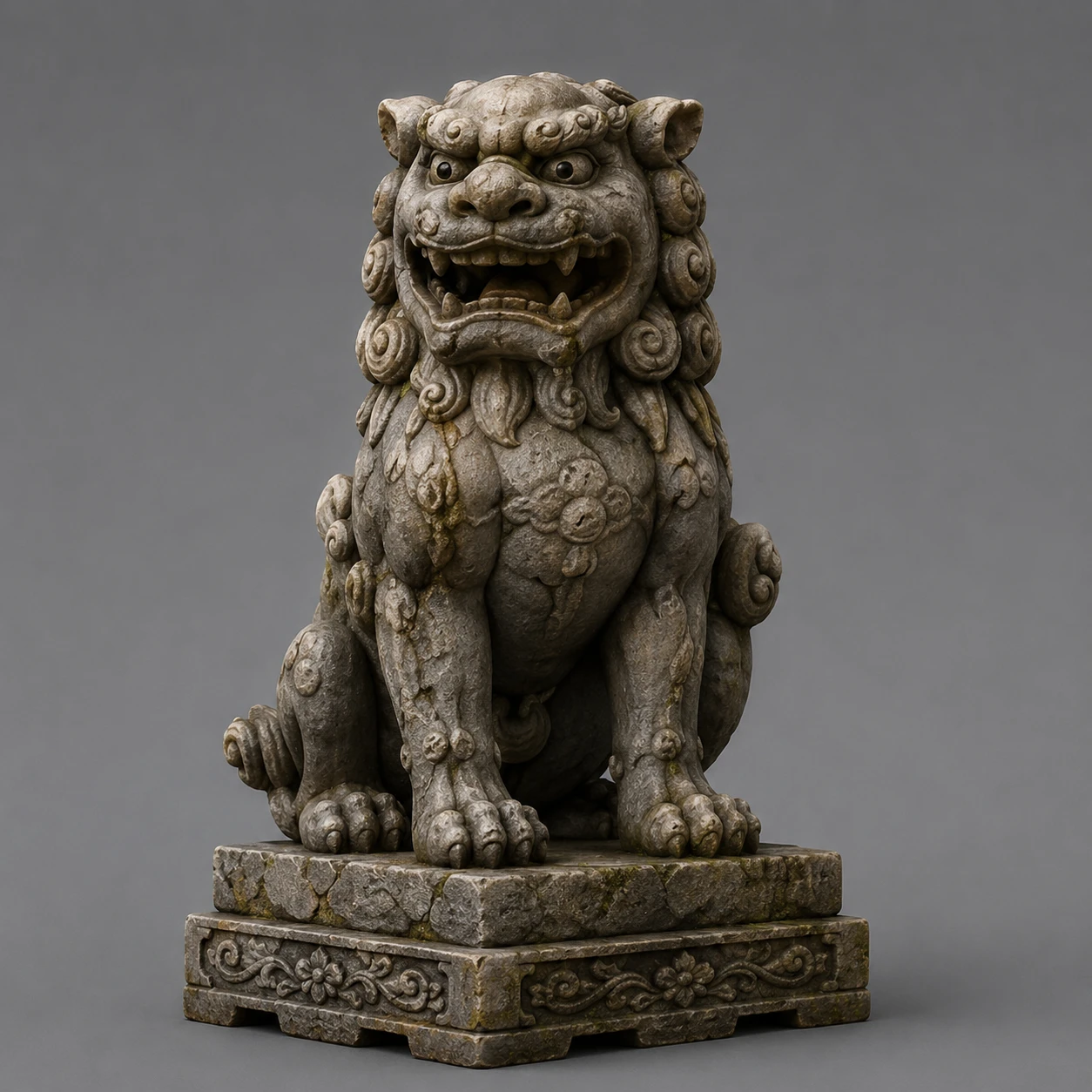
- What Is a Komainu? Japan's Shrine Guardian Pair Komainu lion-dogs guard Japanese shrine gates in pairs. The a-un mouths, the lion that became a dog, and a wooden pair you can still see in a museum.
Mesoamerica
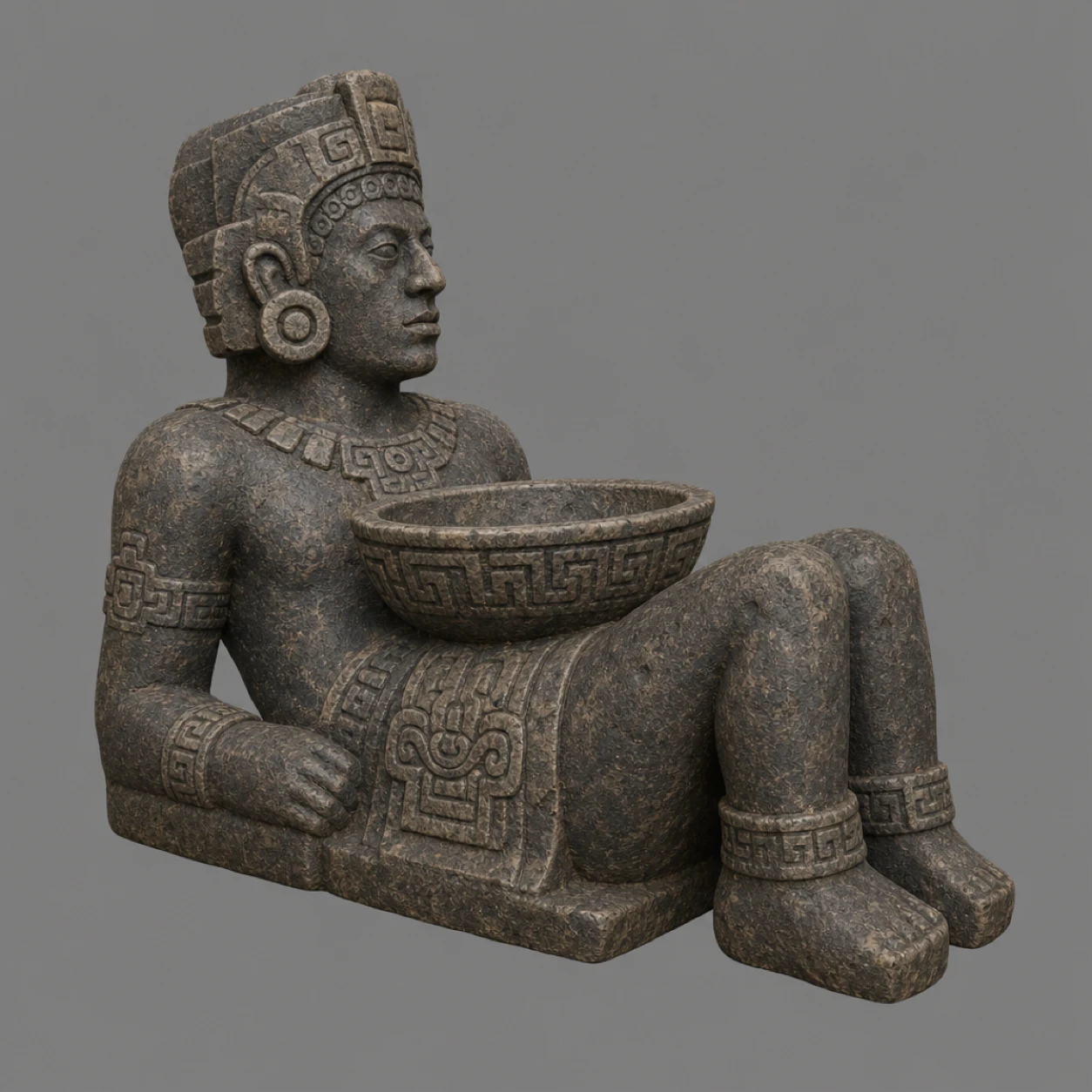
- Chacmool: Mesoamerica's Reclining Offering Bearer Mesoamerican chacmools reclined at temple entrances with offering bowls on their chests. Aztec examples at Tenochtitlan, Maya-Toltec ones at Chichen Itza.
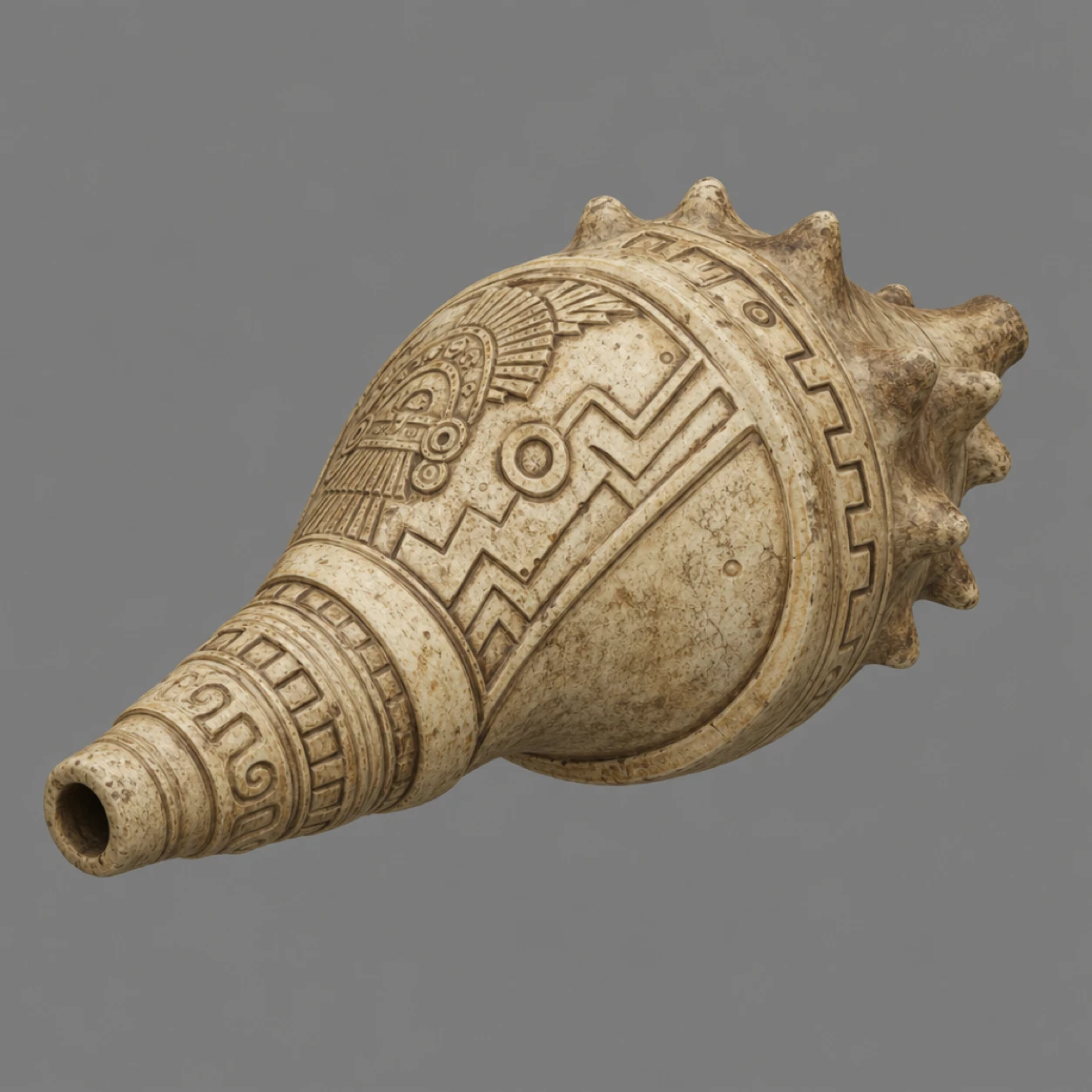
- Quiquiztli: Aztec Breath, Wind, and Ritual Sound The quiquiztli was a sacred conch trumpet in Aztec ritual, blown at temples, processions, and battles. Codices and temple offerings show how the shell sounded.
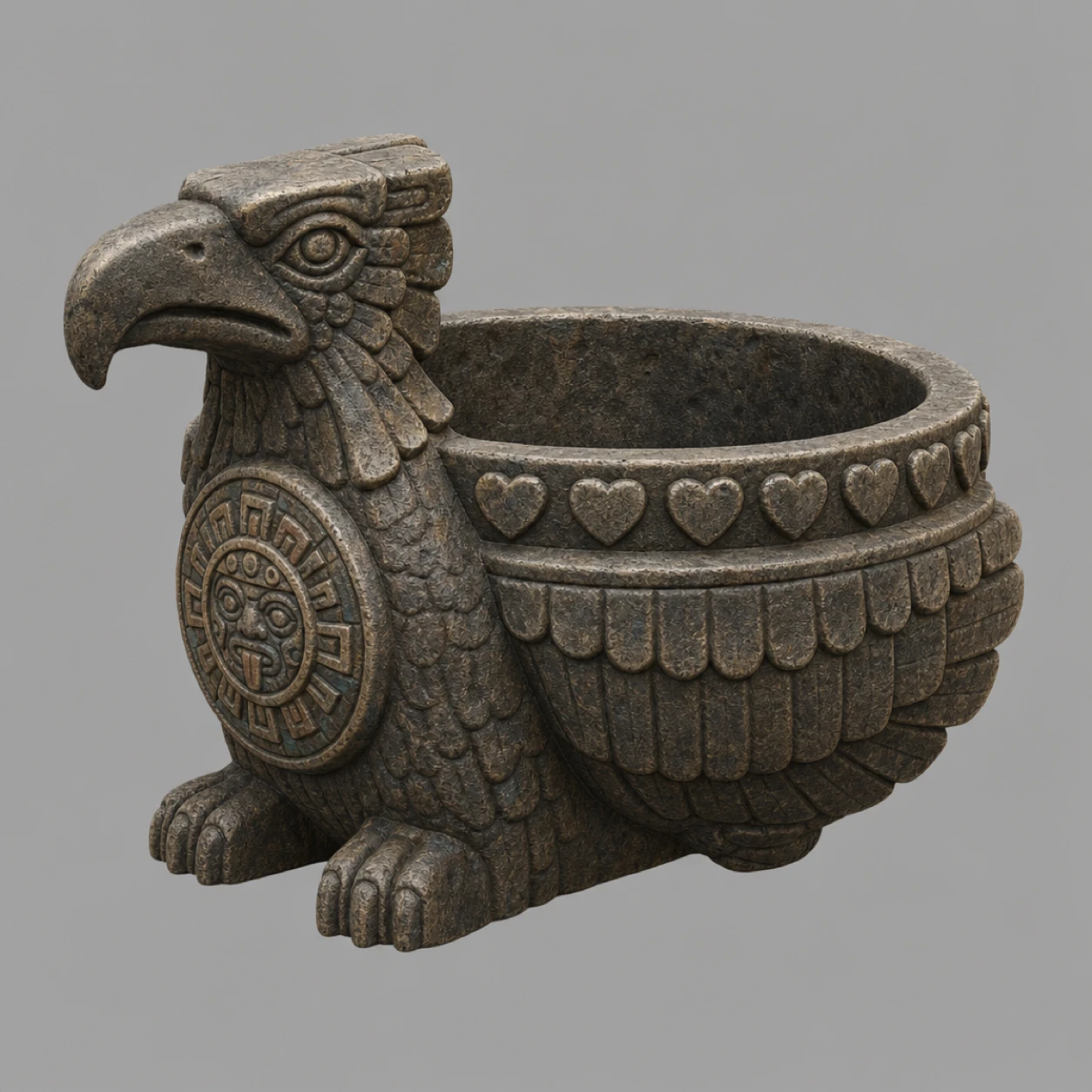
- What Is a Cuauhxicalli? The Aztec Eagle Vessel for Hearts A cuauhxicalli held hearts extracted in Mexica rites. Britannica names the eagle vessel; the British Museum keeps a basalt example with solar glyphs.
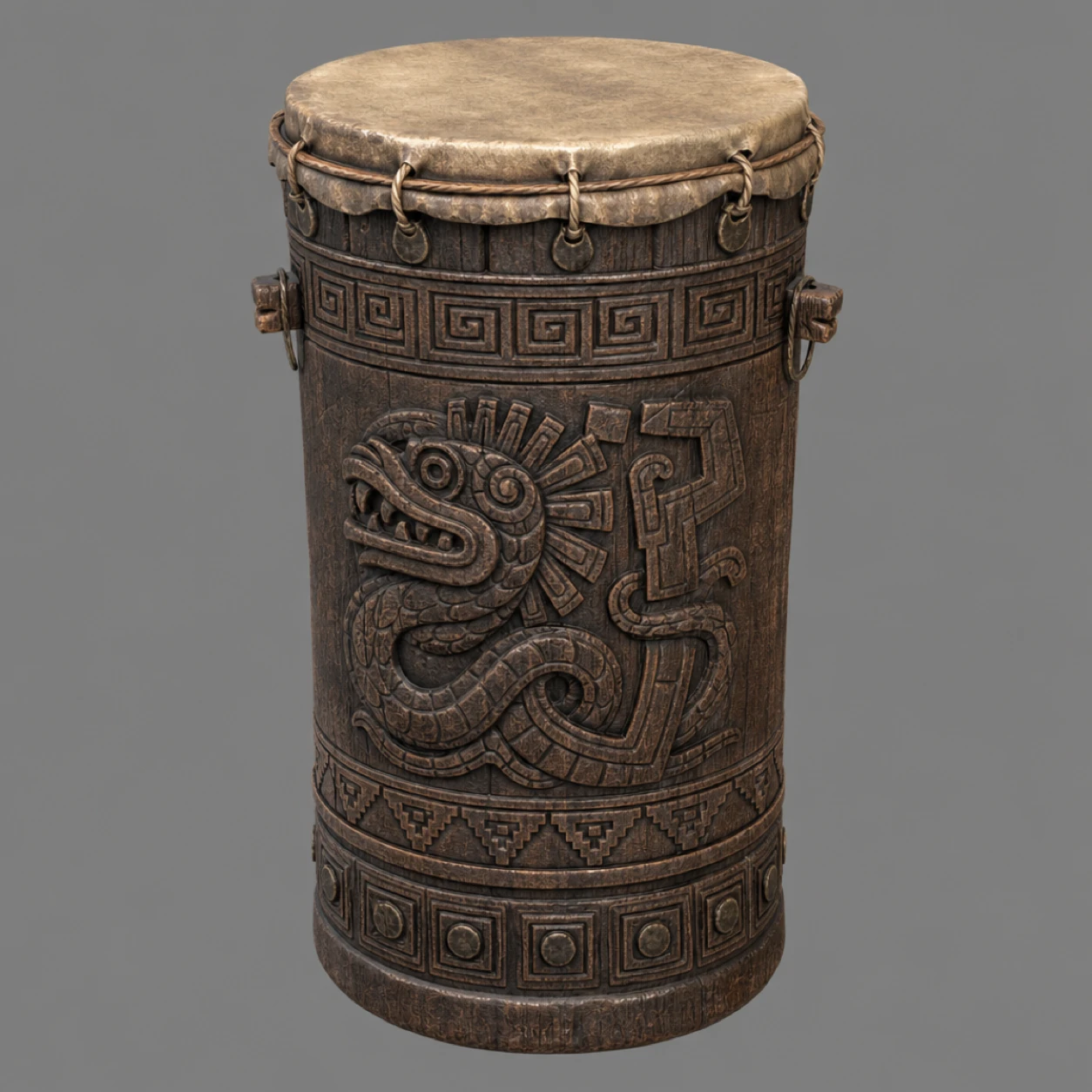
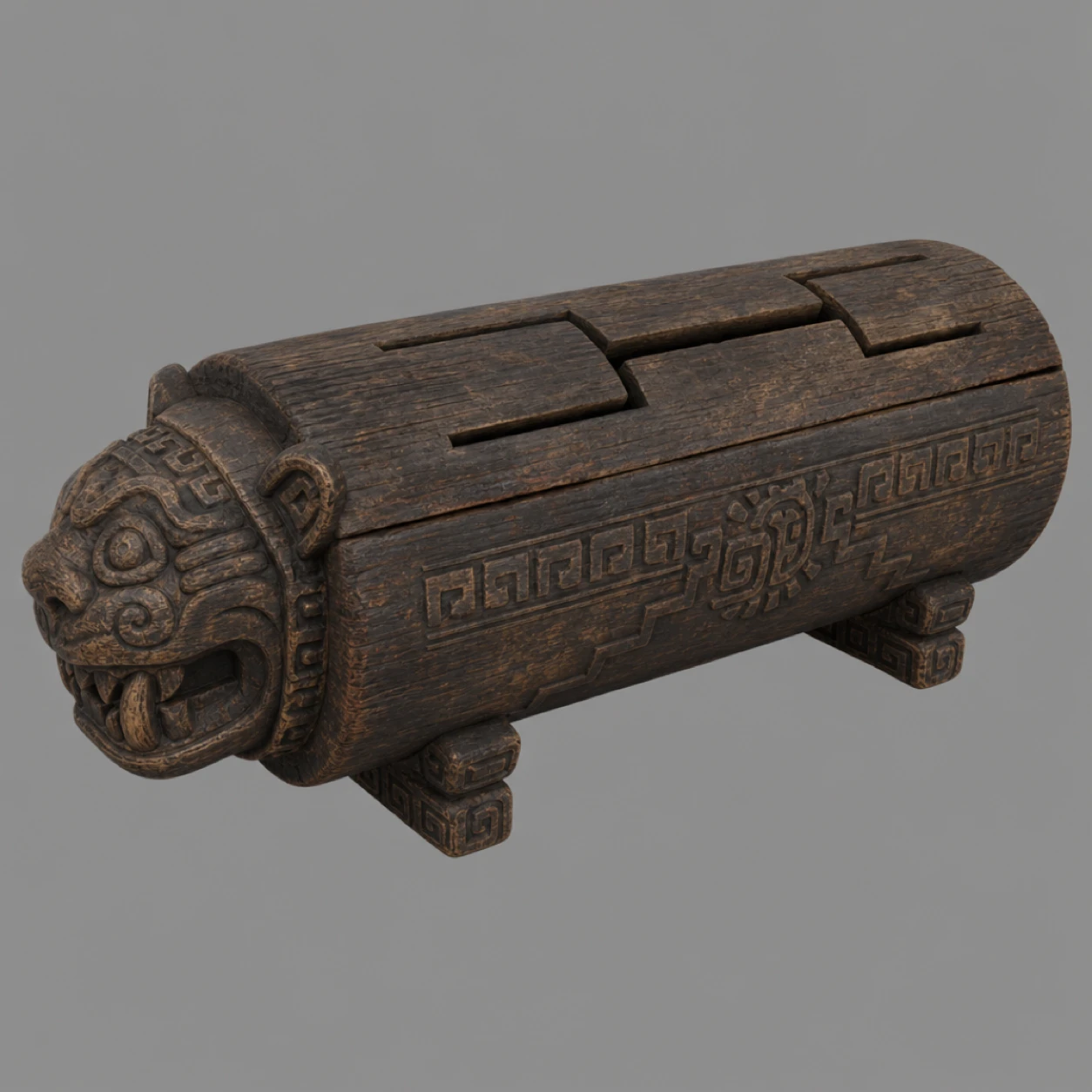
- Huehuetl: The Aztec Vertical Drum at War and Festival The huehuetl was a sacred upright Aztec drum, hand-played beside the teponaztli. Malinalco's carved drum pairs jaguars and eagles with fire symbols.
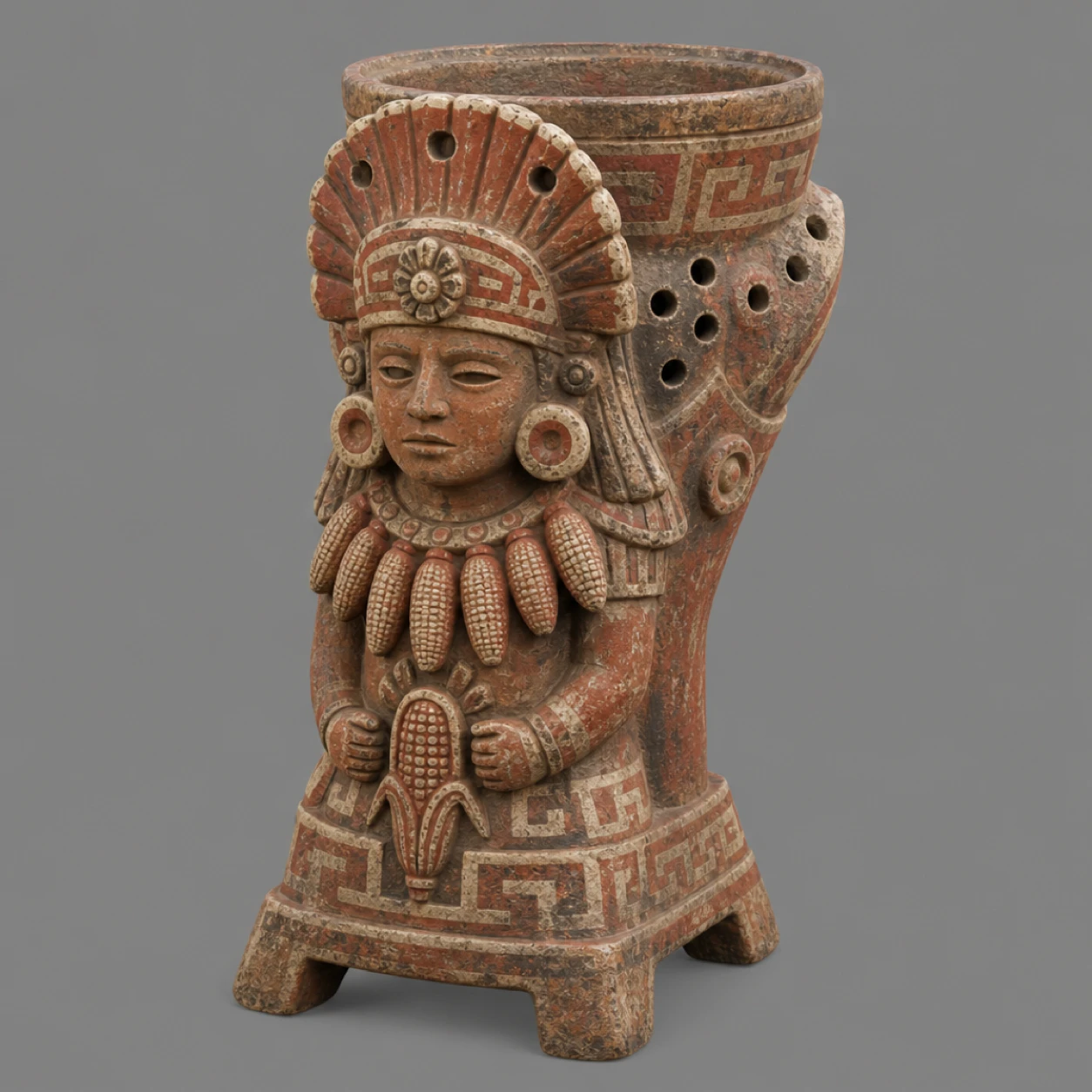
- Maize Brazier: Copal Smoke for Chicomecoatl Mexica ceramic braziers burned copal before maize altars. Chicomecoatl's red regalia, Huey Tozoztli seed rites, and a dated tripod censer in the Met collection.
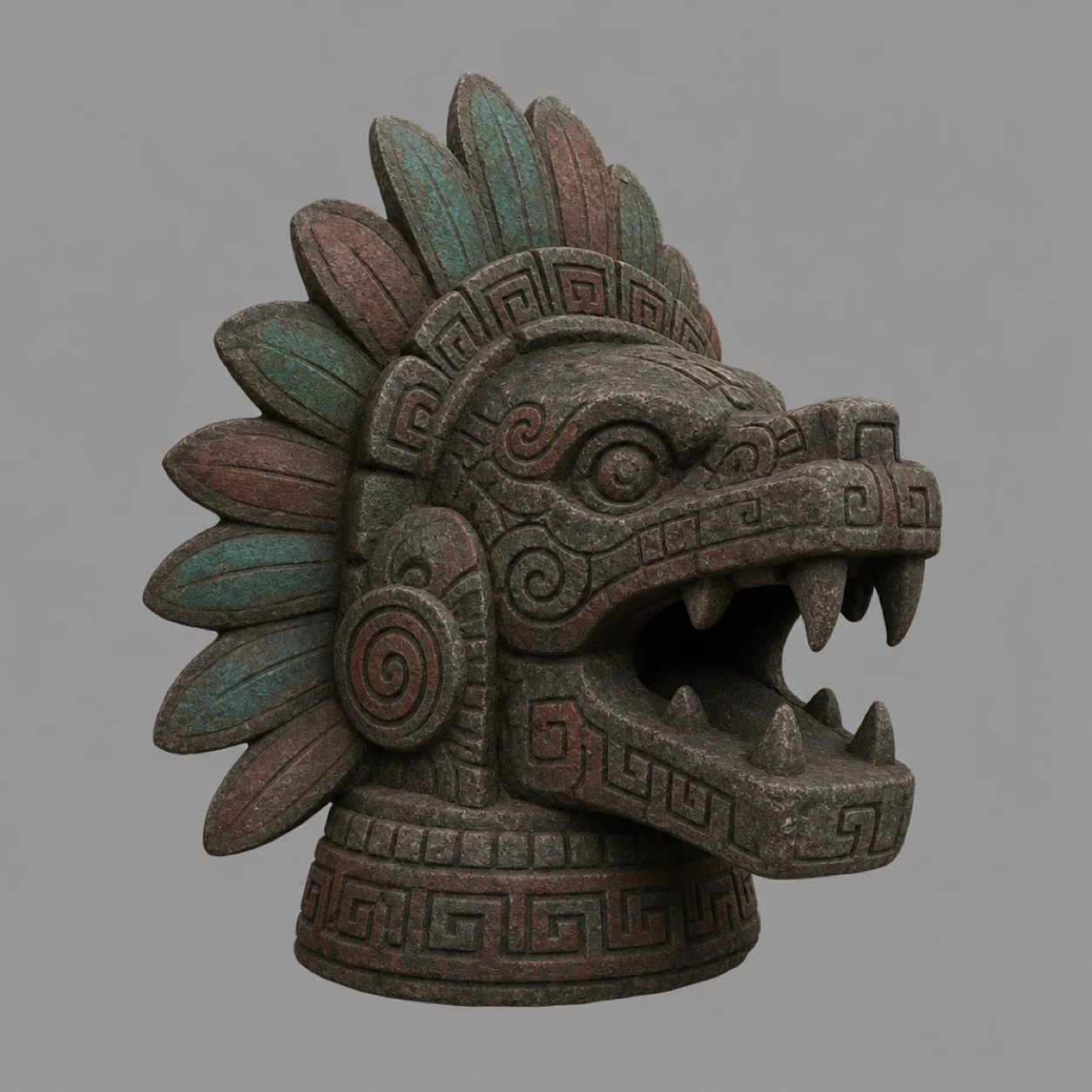
- Serpent Head Sculpture: Snakes at the Aztec Temple Stair Mexica stone serpent heads flanked temple stairs at Tenochtitlan. Blinkers on Tlaloc's side, feathers on Huitzilopochtli's, and a Met catalogue piece.
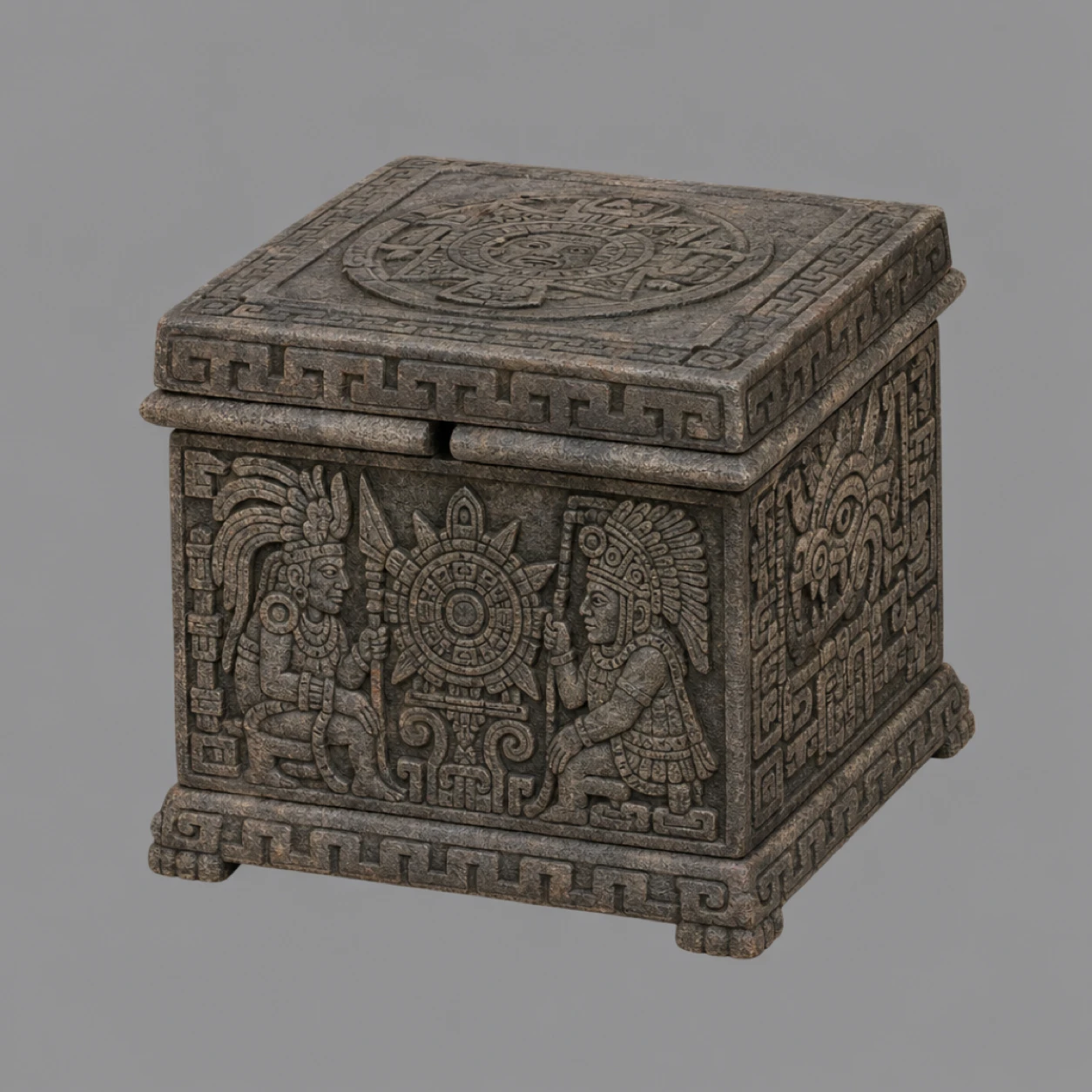
- Tepetlacalli: Stone Chests for Mexica Temple Offerings A carved Mexica stone box for temple offerings, not a drum. Templo Mayor and museum examples still carry calendar dates and gods in relief.
- What Is a Teponaztli? Mexico's Sacred Slit Drum Hollow hardwood slit drum with two tongues and two pitches, struck with rubber mallets. Sacred Mexica percussion paired with the huehuetl in temple rites.
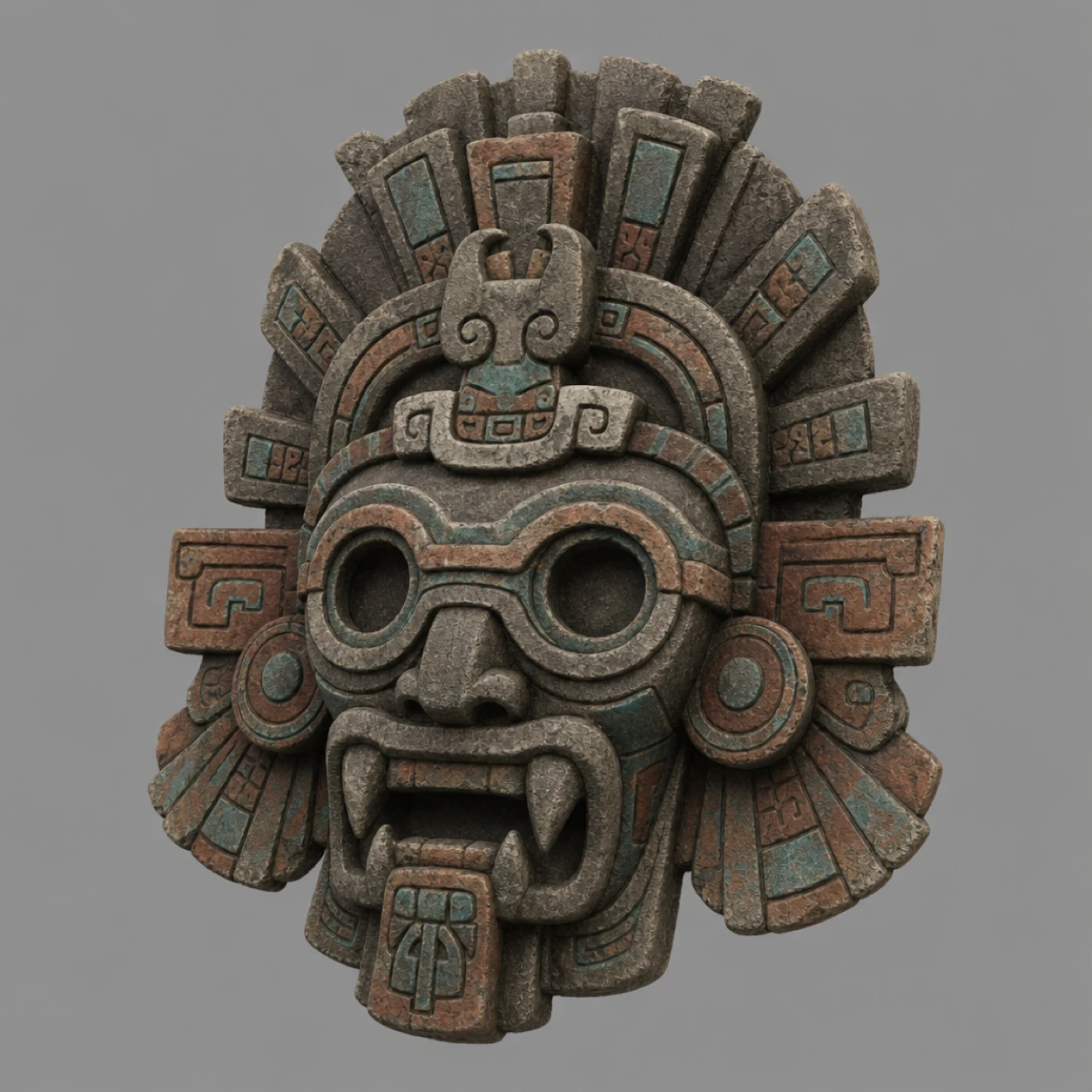
- Tlaloc Mask: Goggled Eyes for Rain and Storm Mexica masks of the rain god Tlaloc with round goggled eyes and jaguar fangs. Twin shrines on the Templo Mayor and a British Museum turquoise mosaic face.
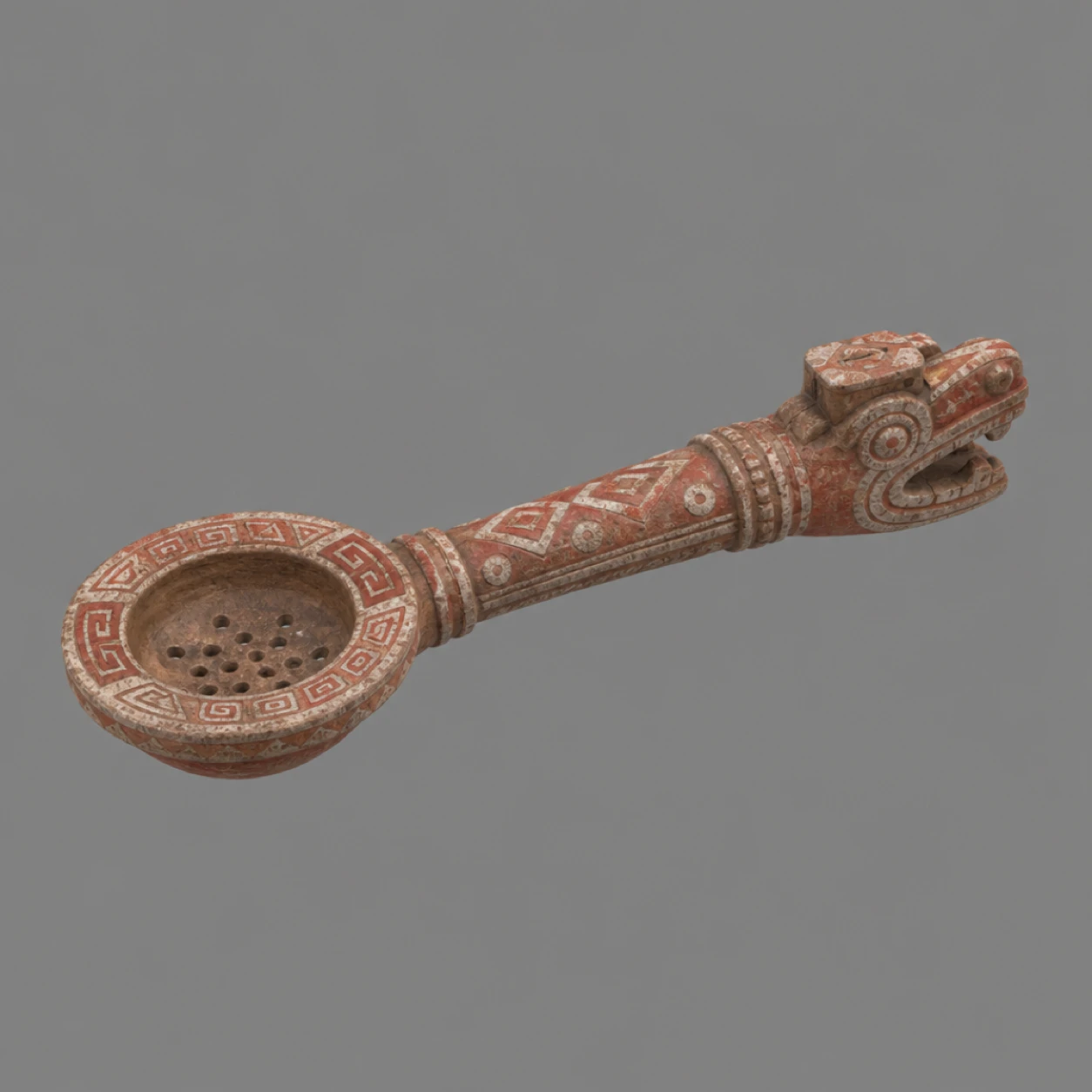
- Tlemaitl: Copal Smoke and the Rattling Fire Ladle Clay incense ladle of Aztec ritual: hollow handle filled with pebbles, bowl for copal coals, raised to the four directions before the hearth took the offering.
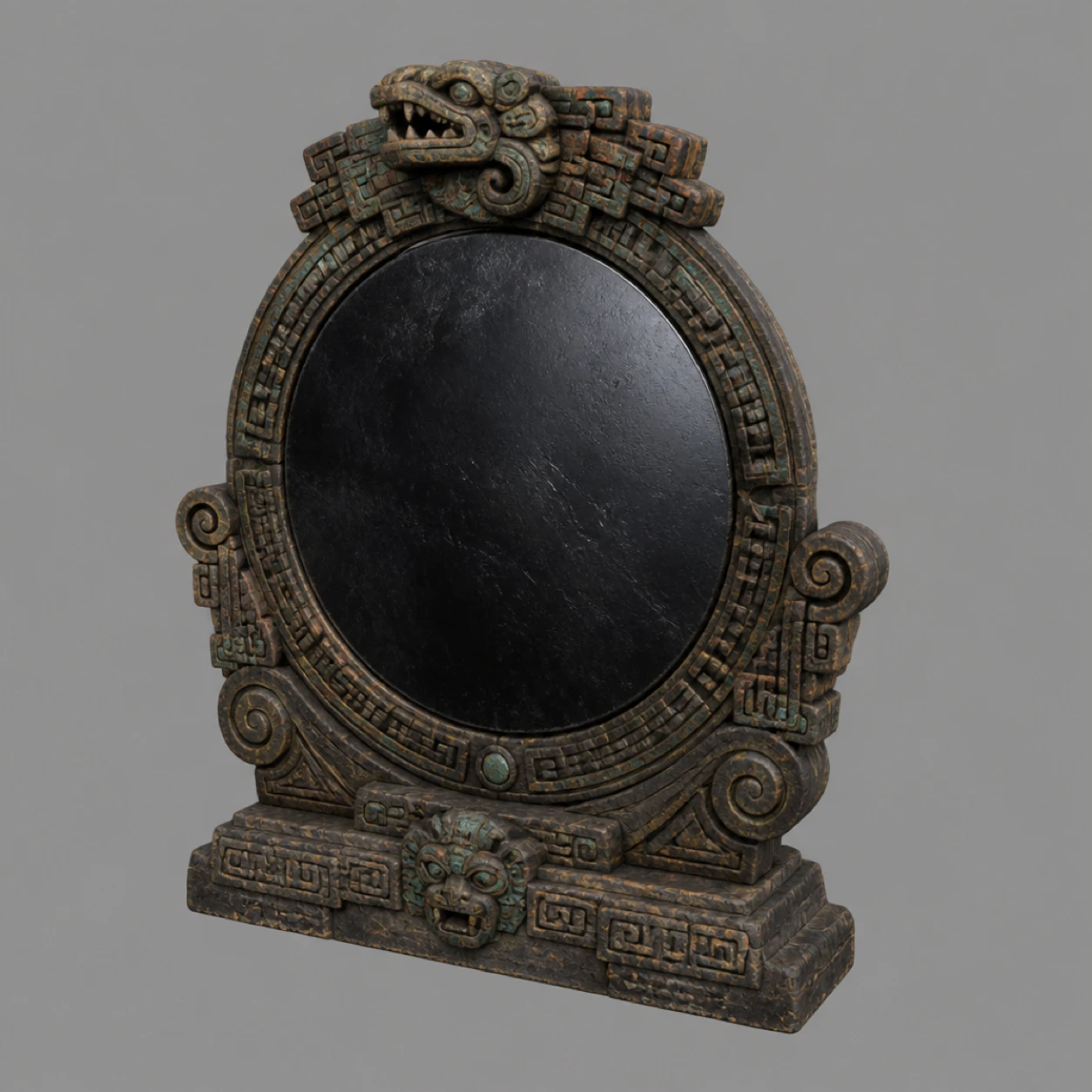
- Obsidian Mirror: Tezcatlipoca's Smoking Mirror in Ritual Aztec obsidian mirrors were royal divination tools. Tezcatlipoca's Smoking Mirror name, John Dee's British Museum disc, and the Nahuatl word tezcatl.
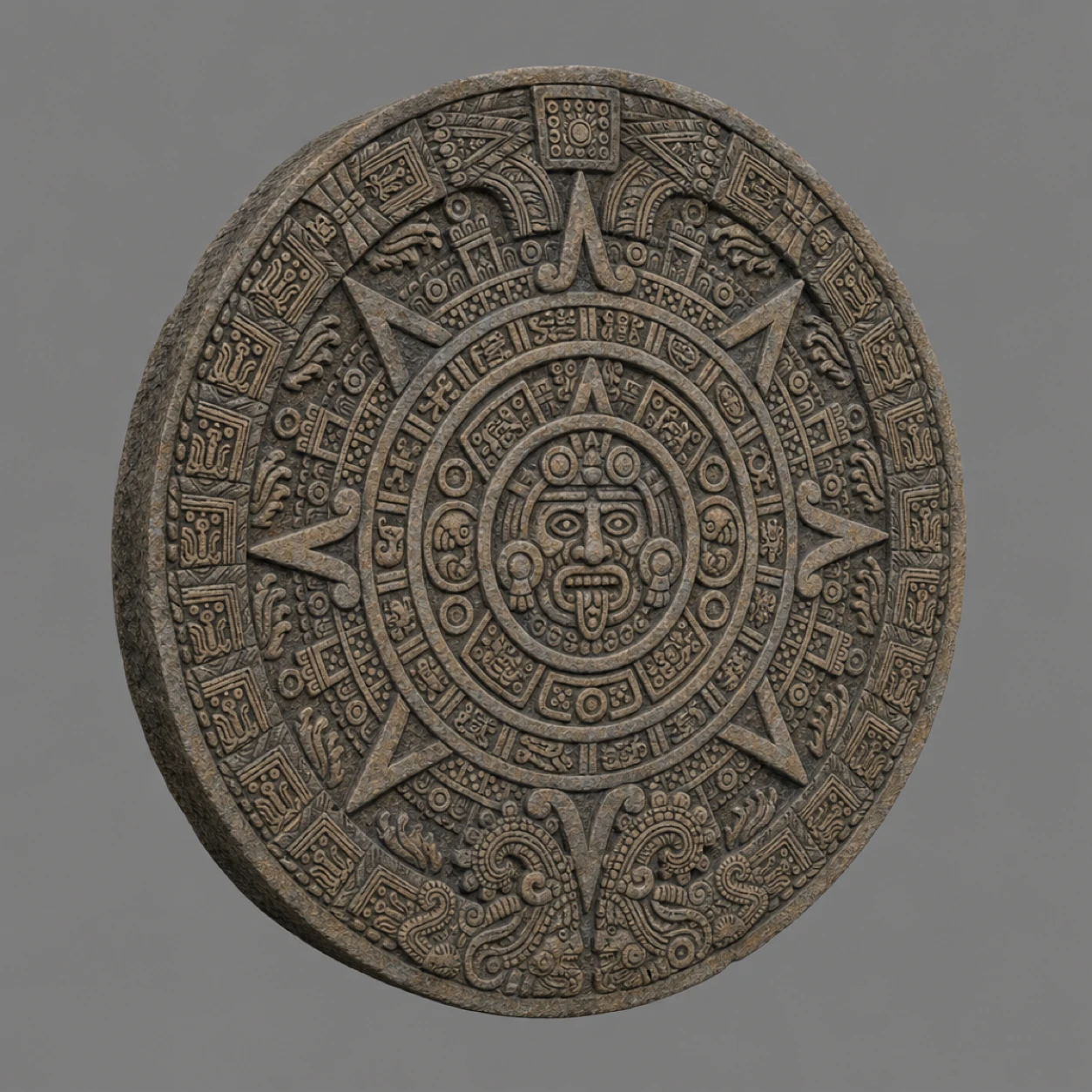
- Aztec Sun Stone: Mexico's Carved Disk of the Five Suns The Aztec Sun Stone is a 25-ton basalt disk from Tenochtitlan. Five suns, twenty day signs, and the Piedra del Sol now in Mexico City's anthropology museum.
Celtic
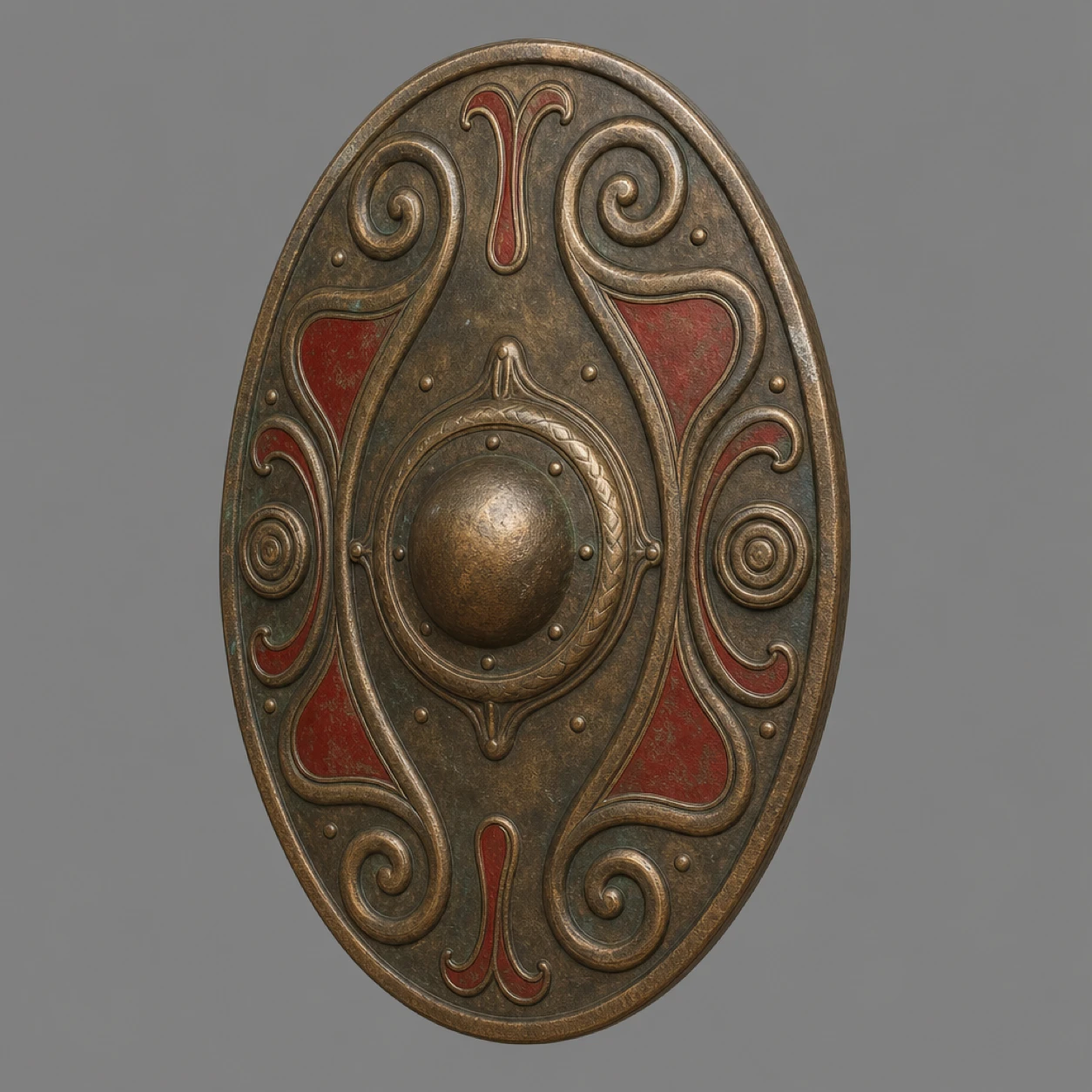
- The Battersea Shield: La Tène Bronze from the Thames Dredged from the Thames in the 1850s, this Iron Age bronze facing has 27 red glass studs, repoussé spirals, and no battle scars. British Museum.
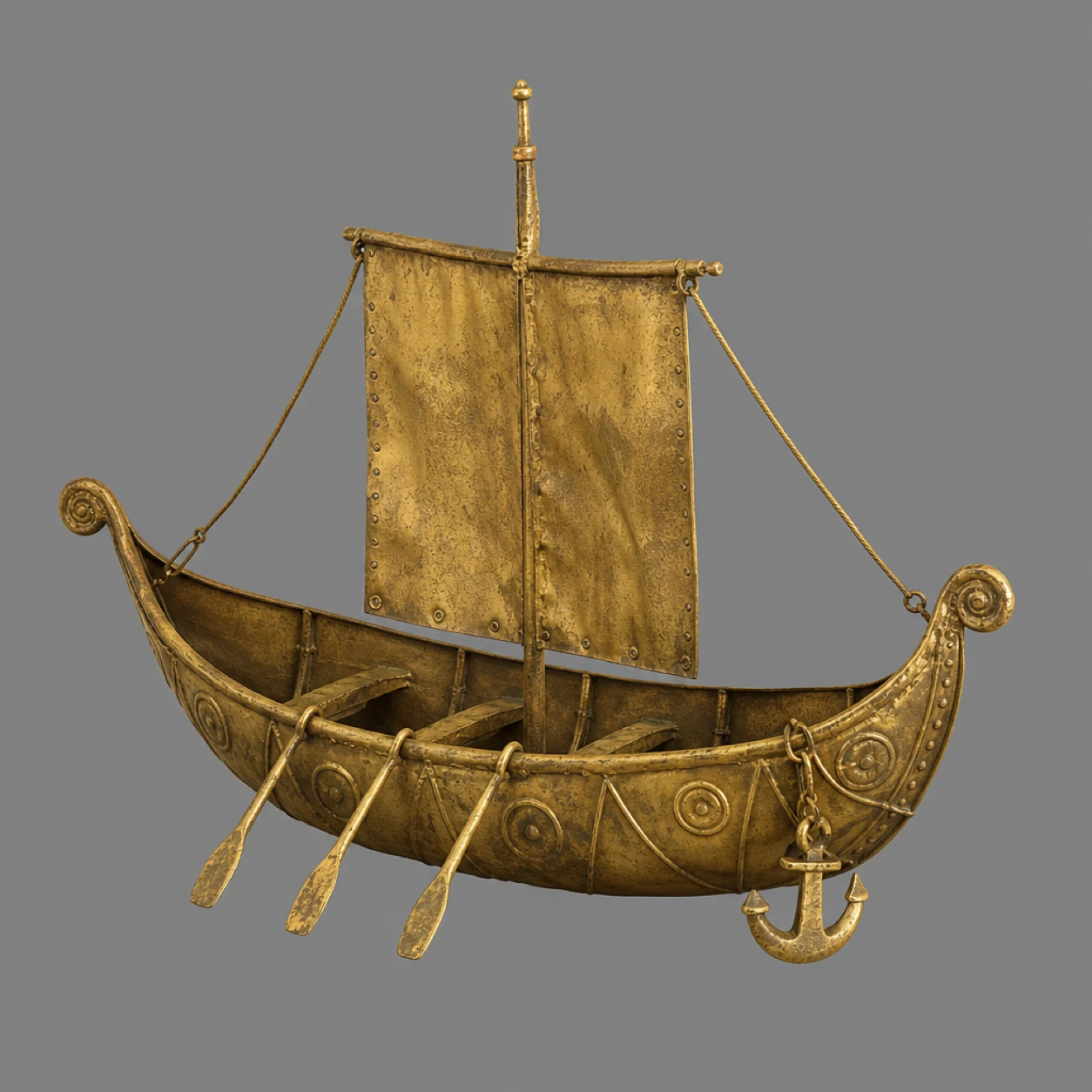
- The Broighter Boat: A Gold Ship from Lough Foyle A beaten-gold miniature ship from County Derry, found in 1896 near Lough Foyle with torcs and a collar. Votive offering or buried wealth is still disputed.
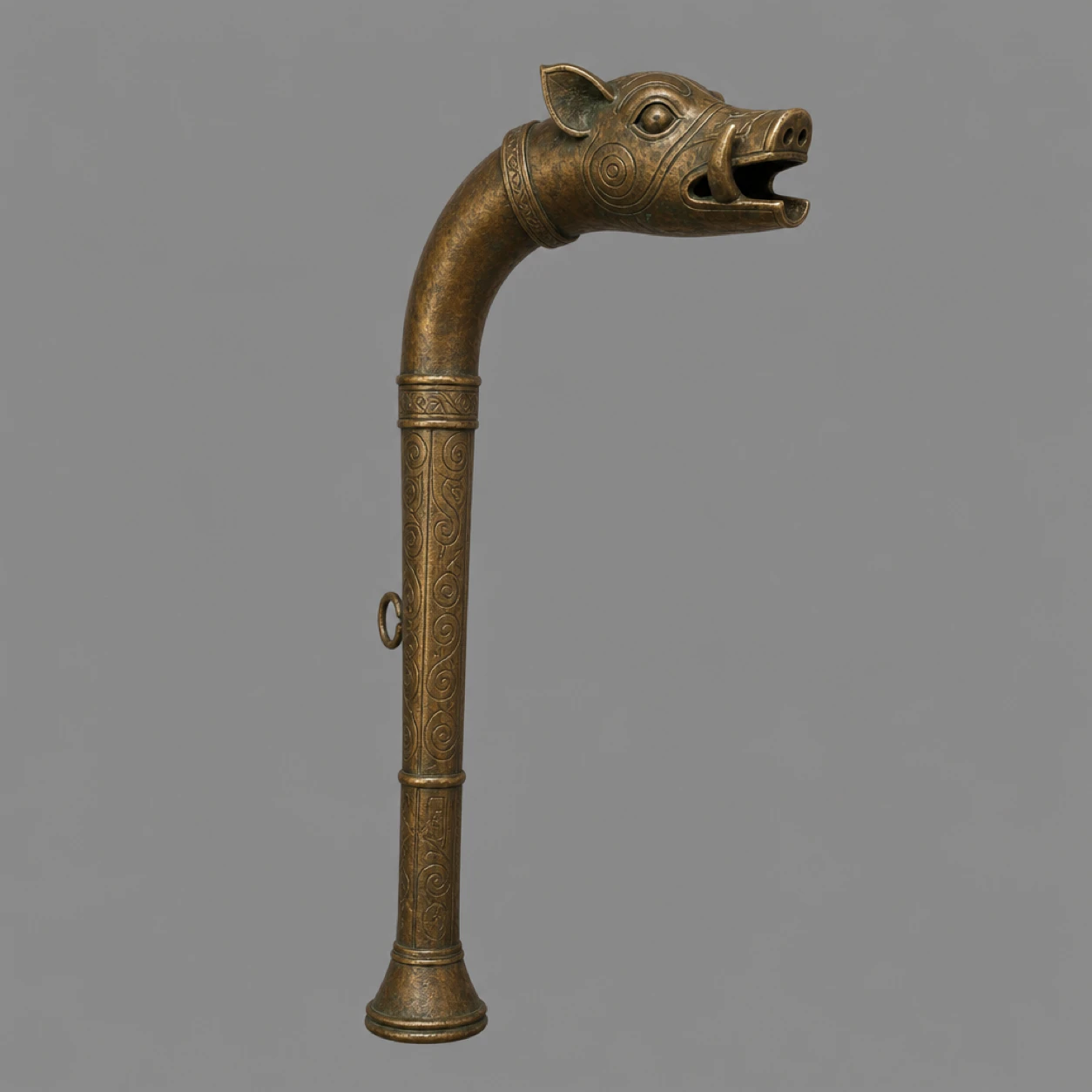
- Iron Age War Horns: The Celtic Carnyx Bronze trumpets with boar-headed bells stood taller than their players on La Tène battlefields from Gaul to Scotland; complete examples are rare.
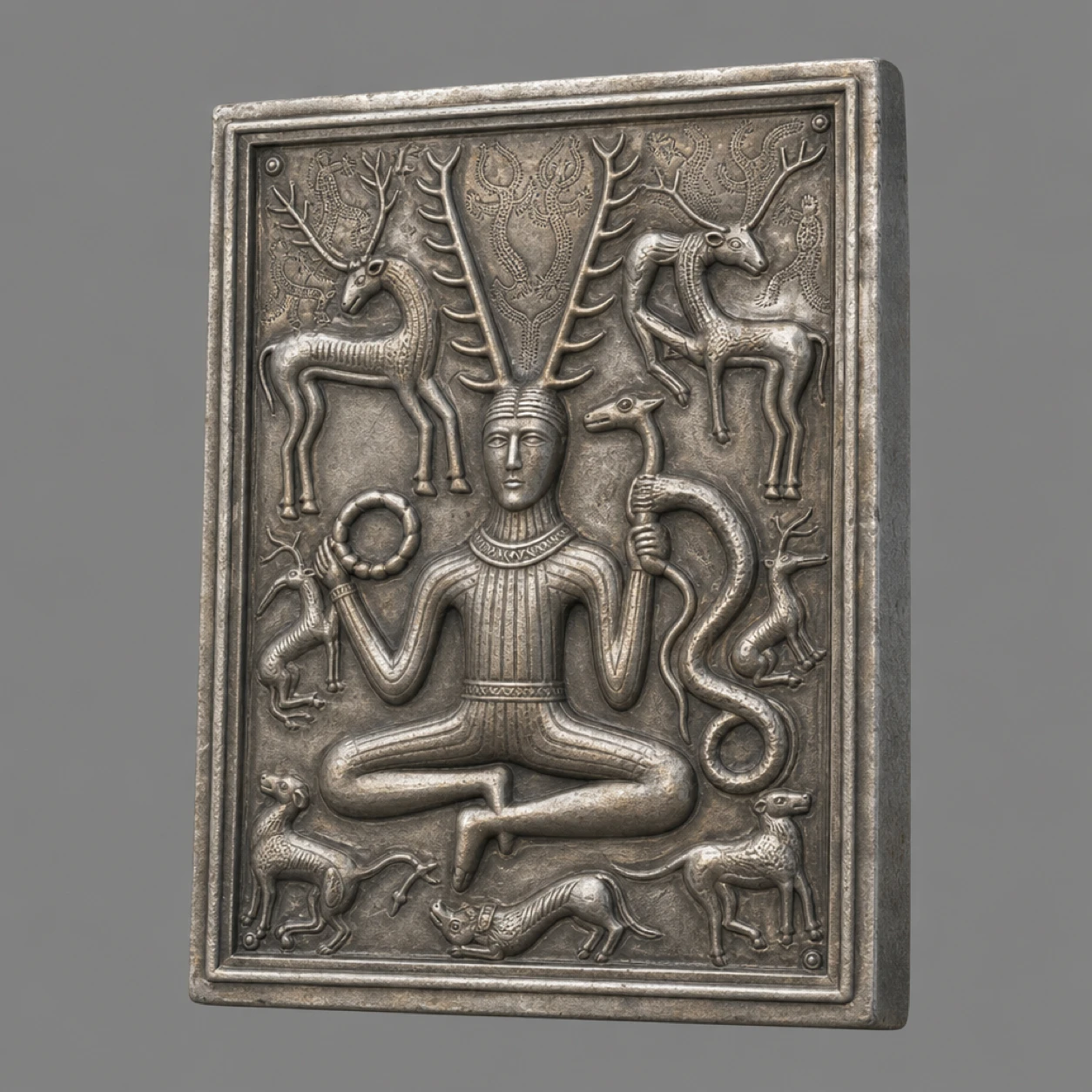
- Cernunnos Panel: Antlers, Torcs, and a Ram-Headed Snake The Gundestrup inner panel shows a cross-legged antlered figure with torcs and a snake. Scholars often call him Cernunnos, but the cauldron never names him.
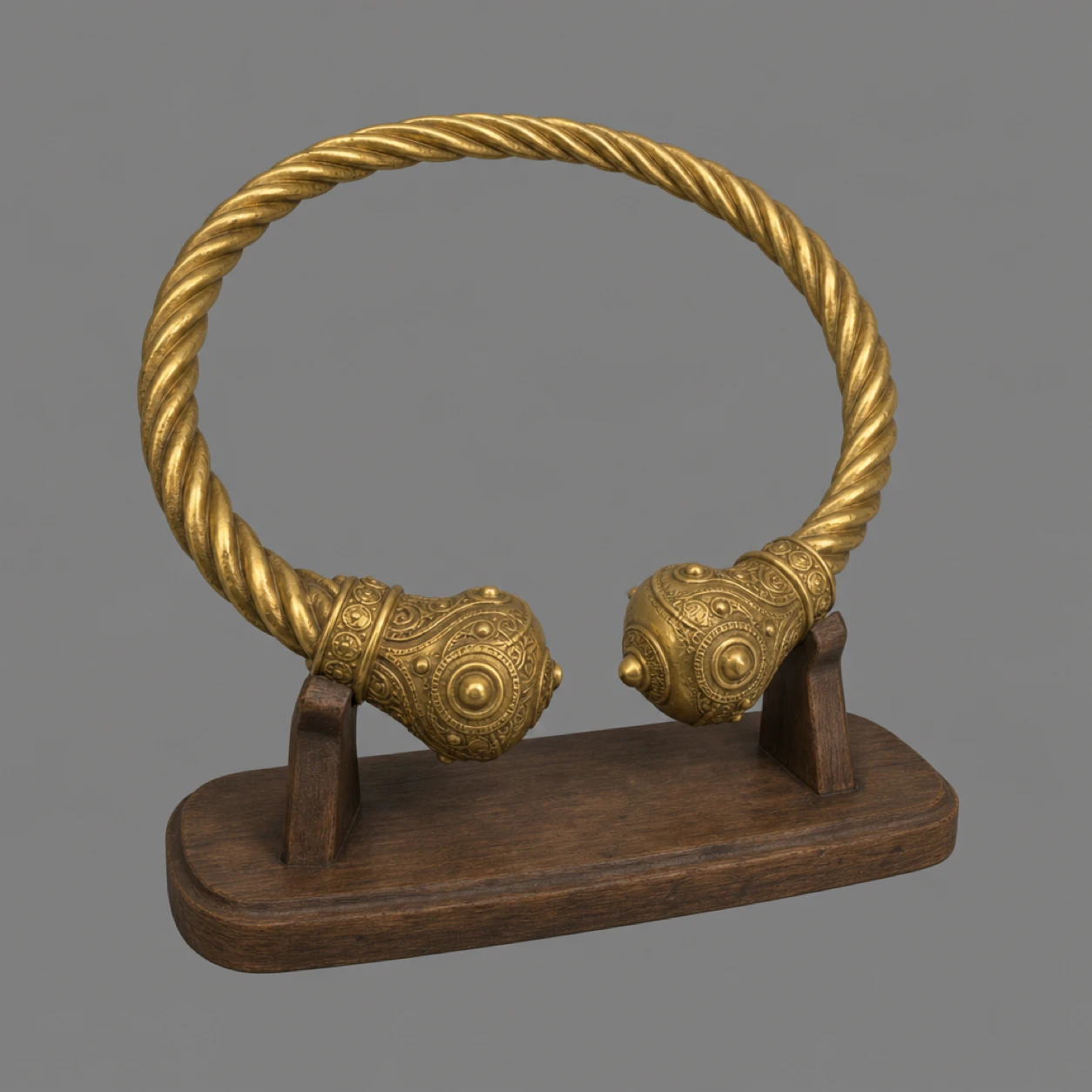
- Snettisham Great Torc: A Kilogram of Twisted Gold Ploughed up at Ken Hill, Norfolk in 1950, the Snettisham Great Torc weighs over 1 kg of gold alloy with 64 twisted wires. British Museum masterpiece.
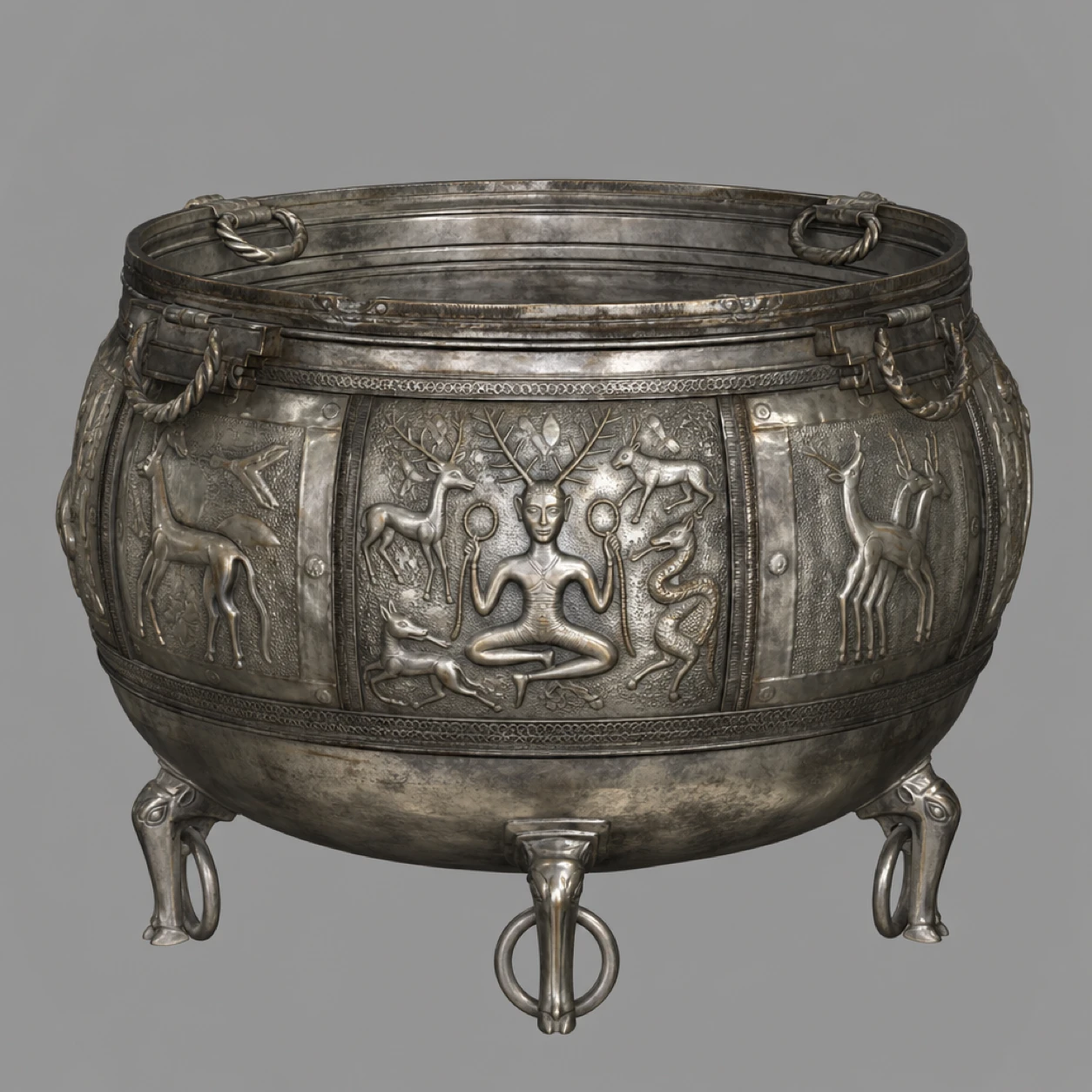
- The Gundestrup Cauldron: Silver Panels from a Himmerland Bog Found dismantled in an 1891 Danish peat bog, the Gundestrup cauldron is Europe's largest Iron Age silver vessel, with gilded panels of gods and warriors.
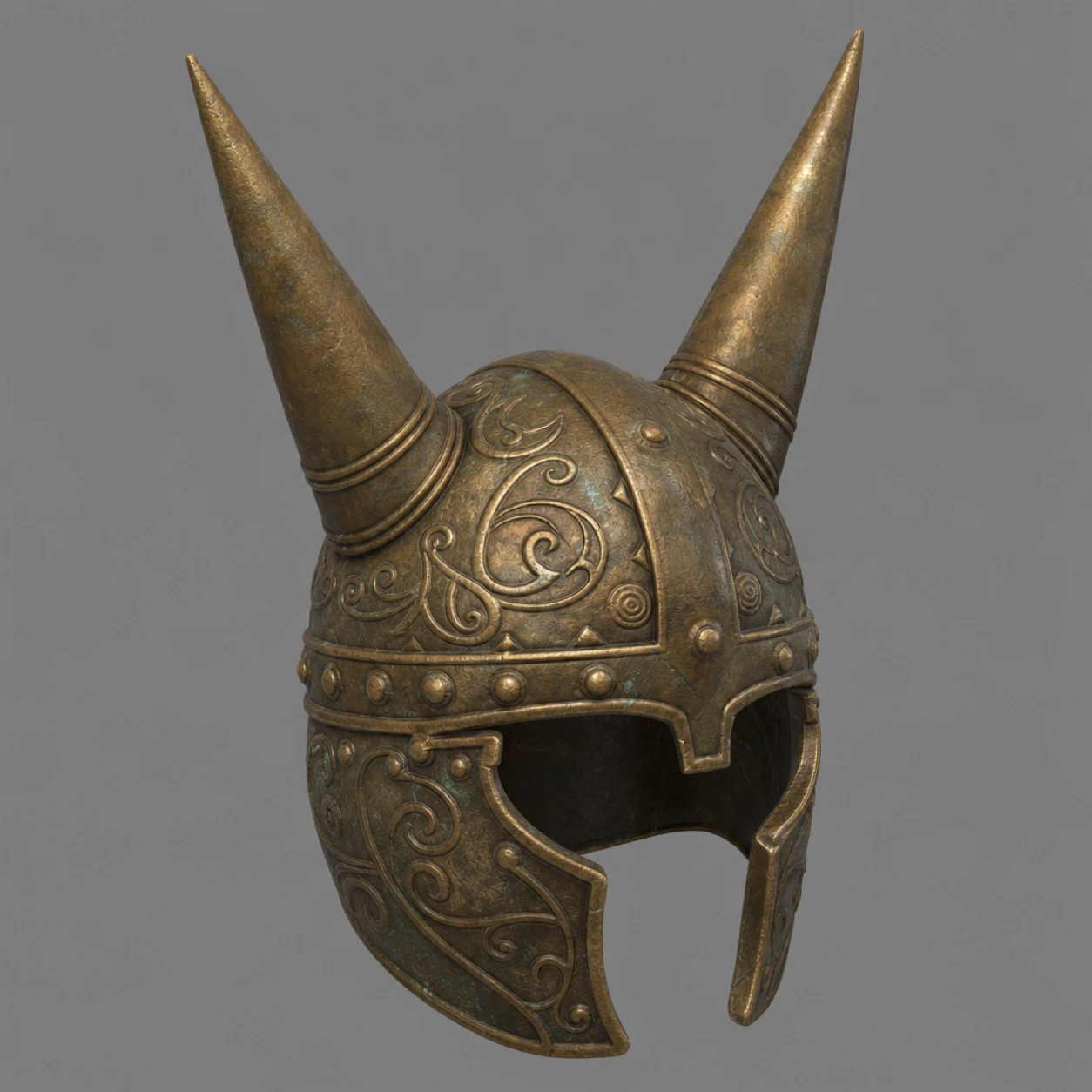
- Waterloo Helmet: Europe's Only Iron Age Horned Helm Bronze La Tène helmet dredged from the Thames in 1868 with conical horns and red glass inlay. Parade gear, not battle kit: the only horned Iron Age helm known.
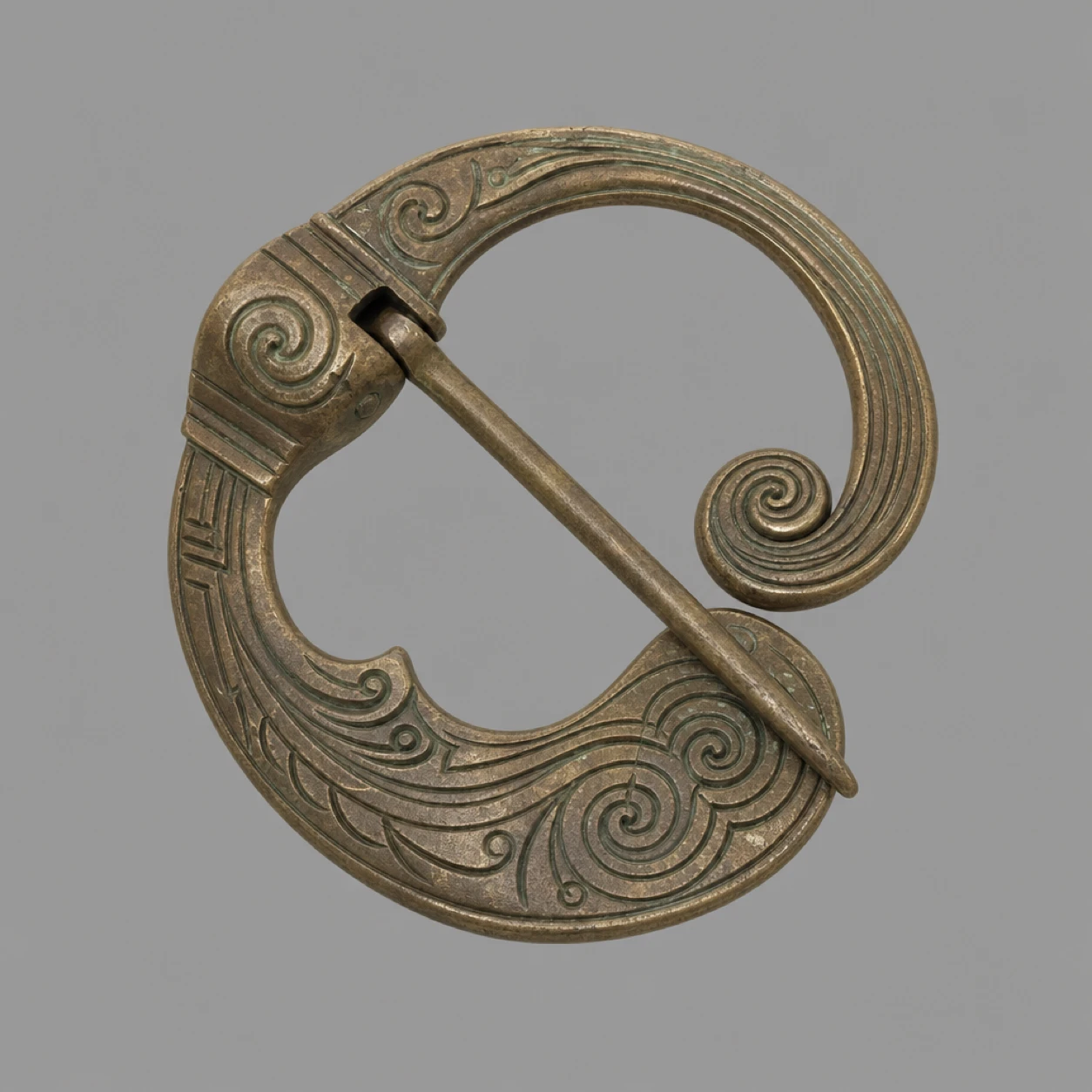
- La Tène Fibulae: Cloak Pins from Lake Neuchâtel to Britain La Tène fibulae are Iron Age safety-pin brooches with curved bows and bilateral springs. They fastened cloaks across Europe and help archaeologists date graves.
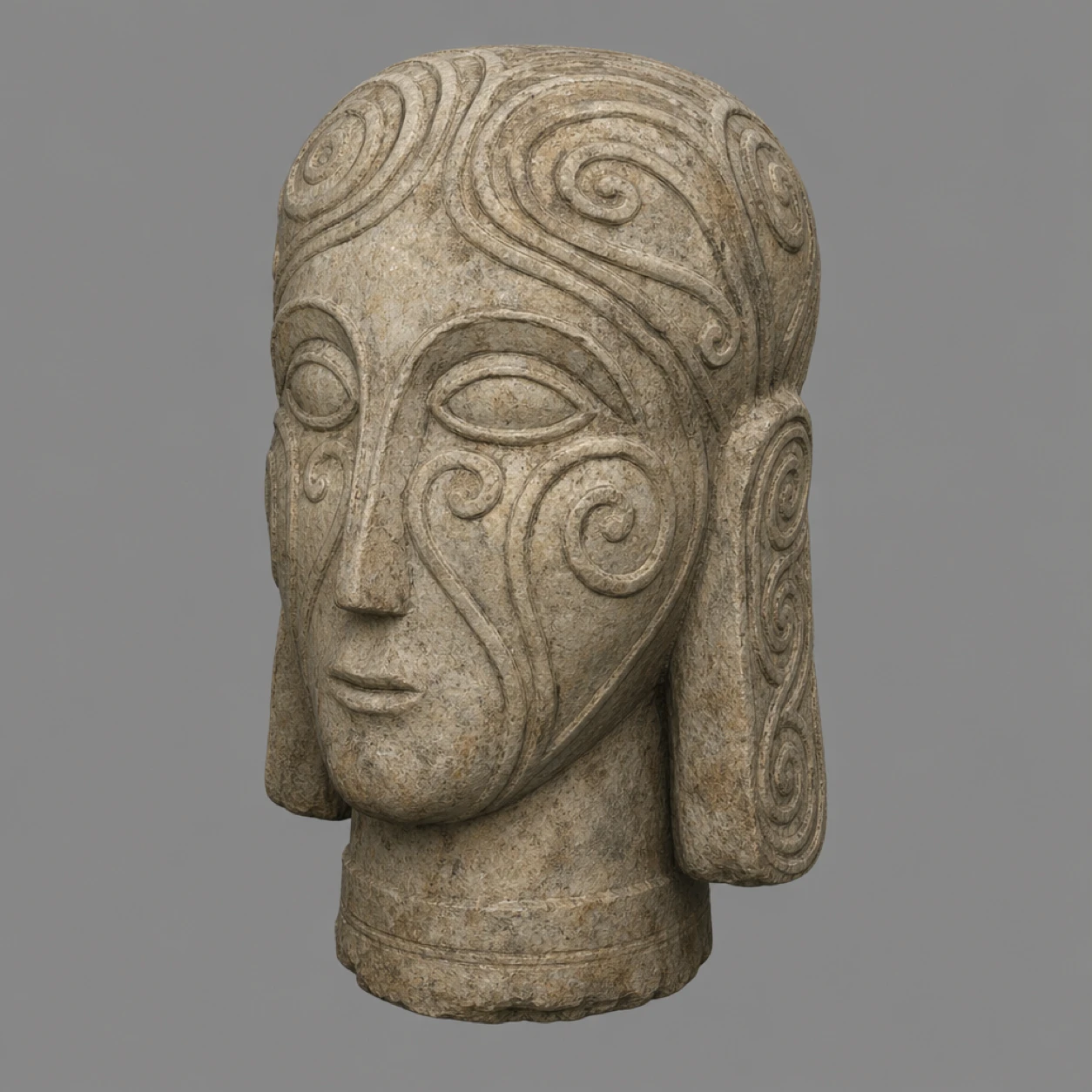
- The Corleck Head: Ireland's Three-Faced Stone Idol A 33 cm limestone head with three faces, found near Corleck Hill in County Cavan c. 1855. Late Iron Age carving now in the National Museum of Ireland, Dublin.
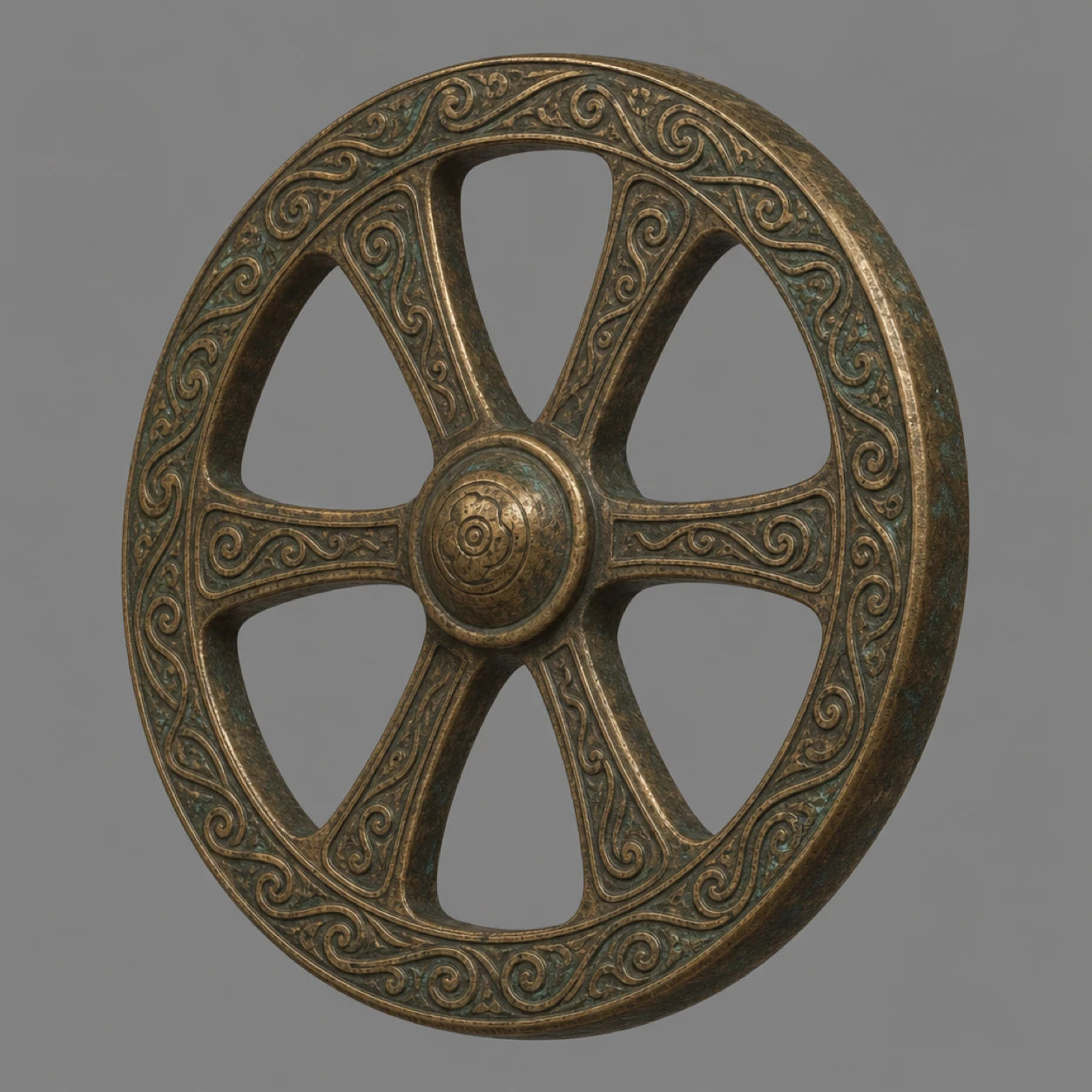
- Sun Wheels in Celtic Art: Spokes, Sky, and Offerings The sun wheel, a cross inside a circle, appears on Bronze Age rock art, Iron Age coins, and small votive wheels across Celtic Europe. Meaning is still debated.
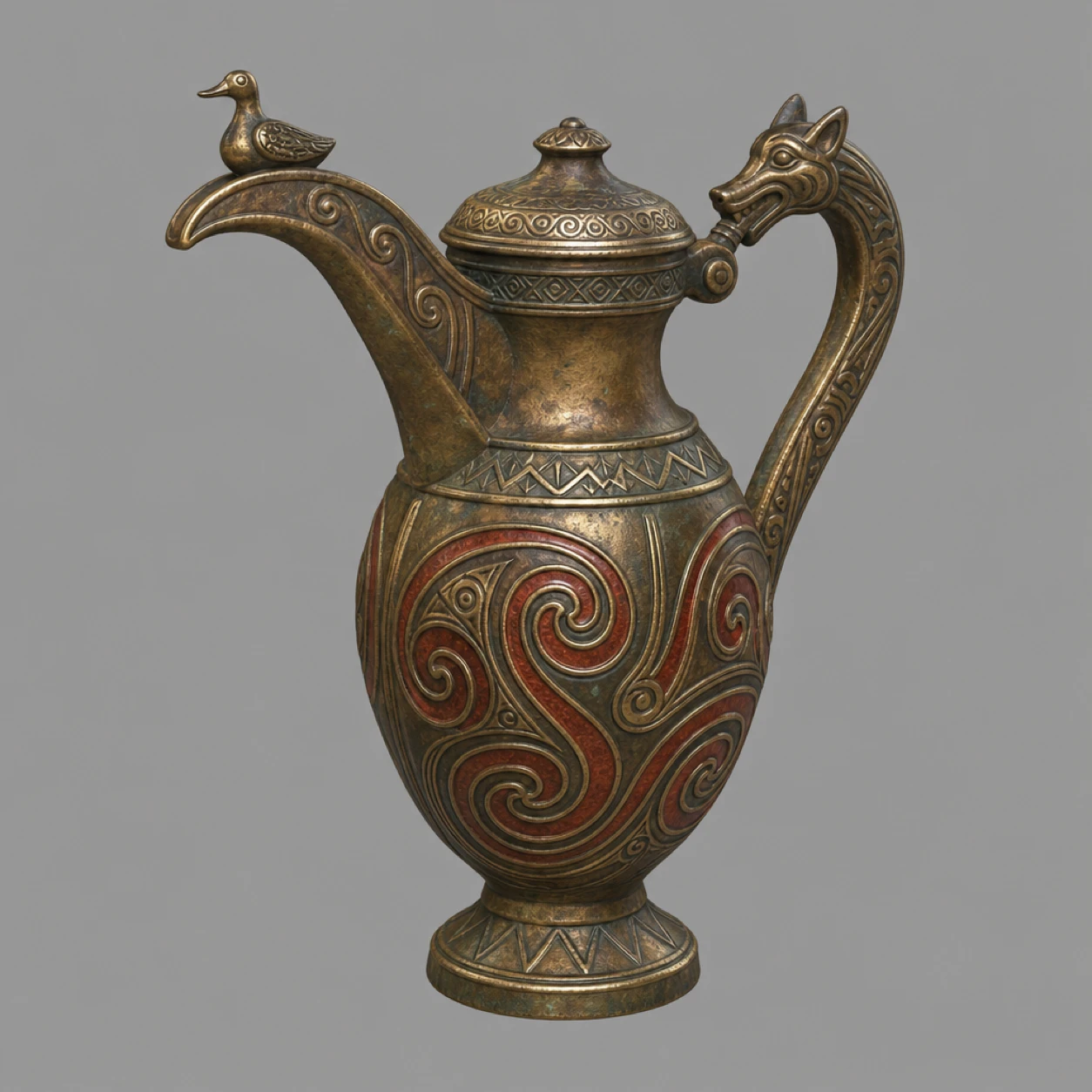
- Wine Flagons: Duck Spouts and Mediterranean Coral Iron Age flagons poured wine, beer, or mead at elite feasts. The Basse Yutz pair in the British Museum mixes Etruscan shape with Celtic enamel and coral.
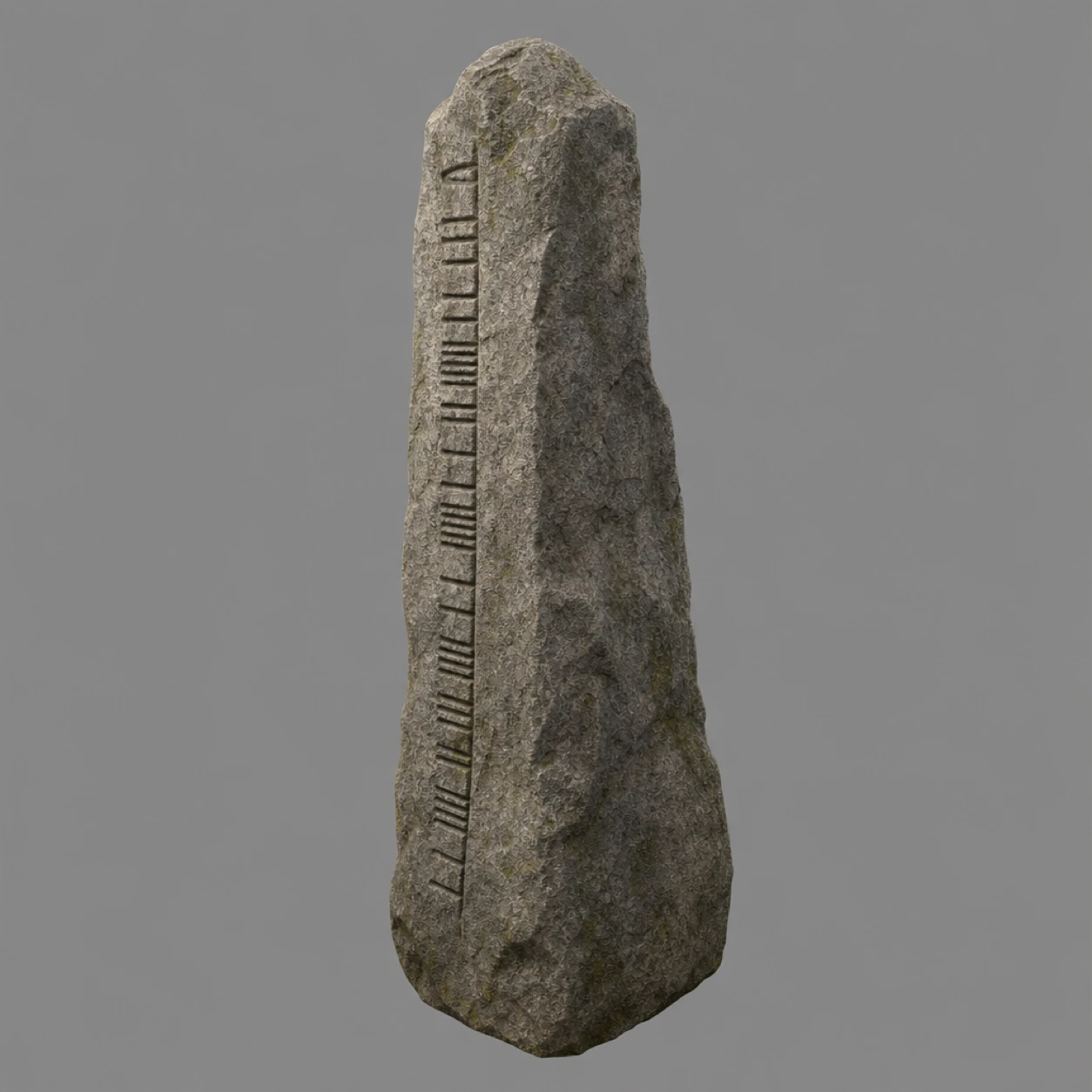
- What Is an Ogham Stone? Ireland's Edge-Carved Alphabet Roughly 400 standing stones preserve Primitive Irish names in ogham script, read from base to tip along each stone's natural corner edge.
Africa
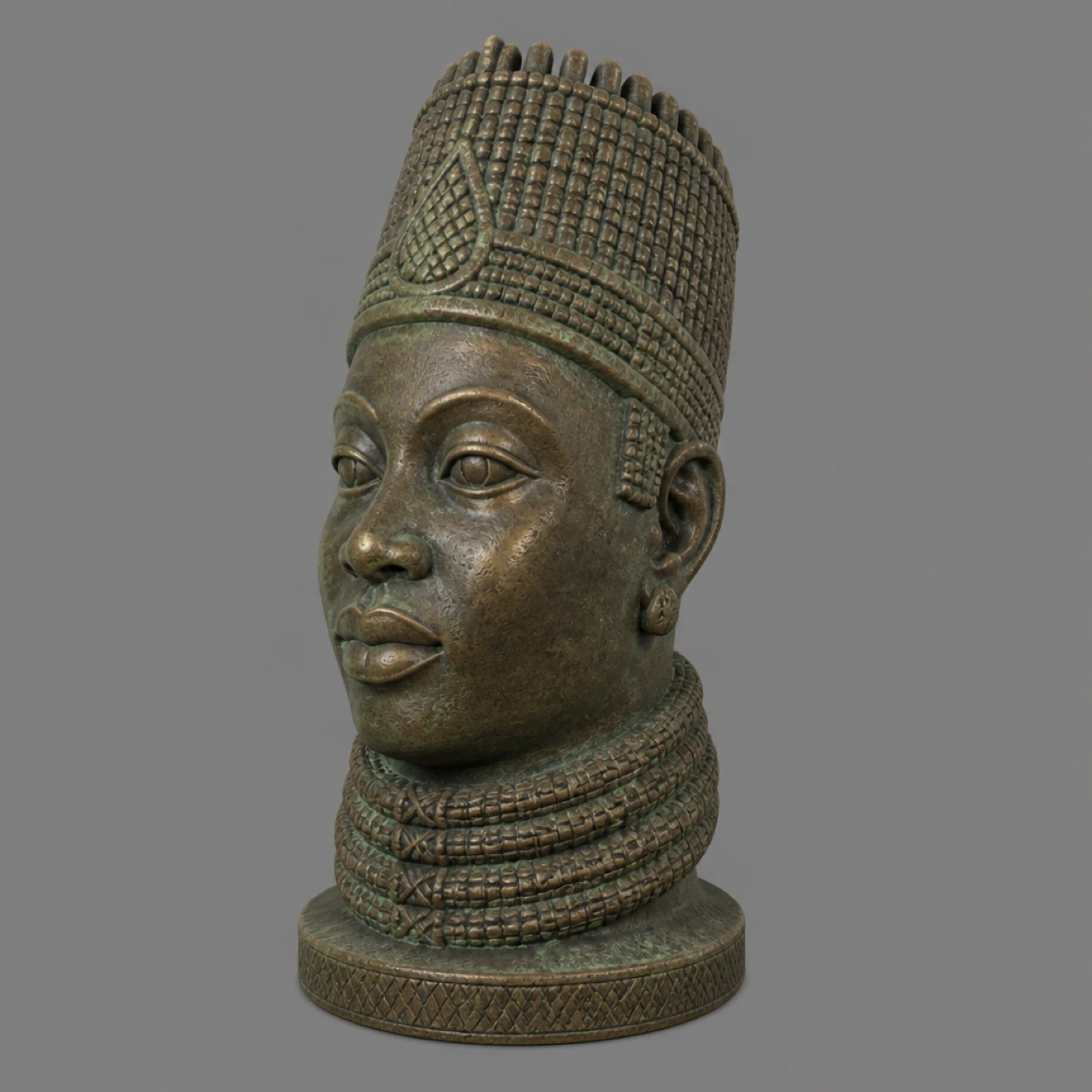
- Uhunmwun-Elao at the Met: A Benin Brass Head for the Altar Early Benin brass heads sat on palace ancestral altars with carved ivory tusks. The Met's early example stands only 21.6 cm high.
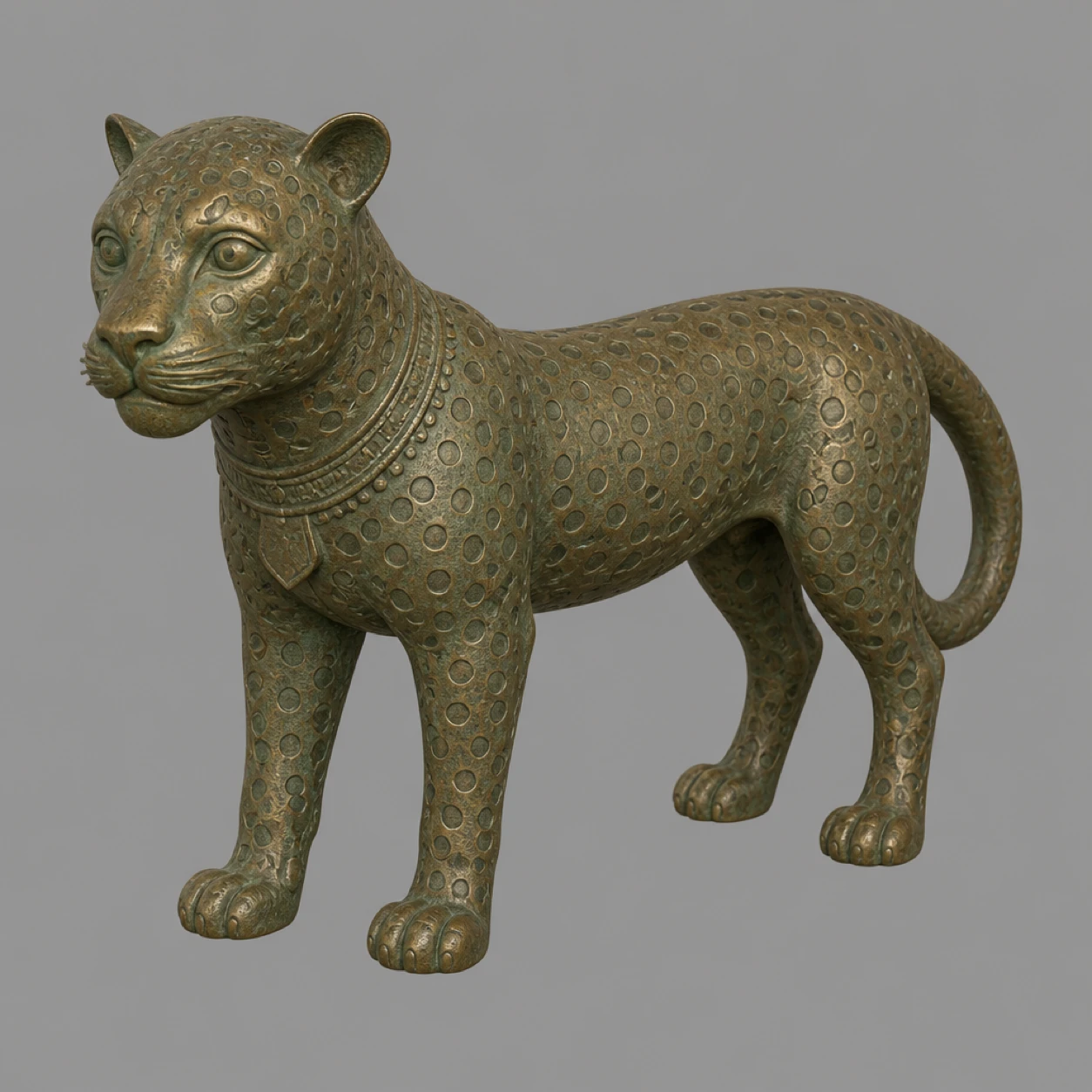
- Brass Leopard at the Met: Benin's King of the Bush Court brass leopards stood for the oba as king of the bush. The Met's guild cast is 39.4 cm high and dated about 1550 to 1680.
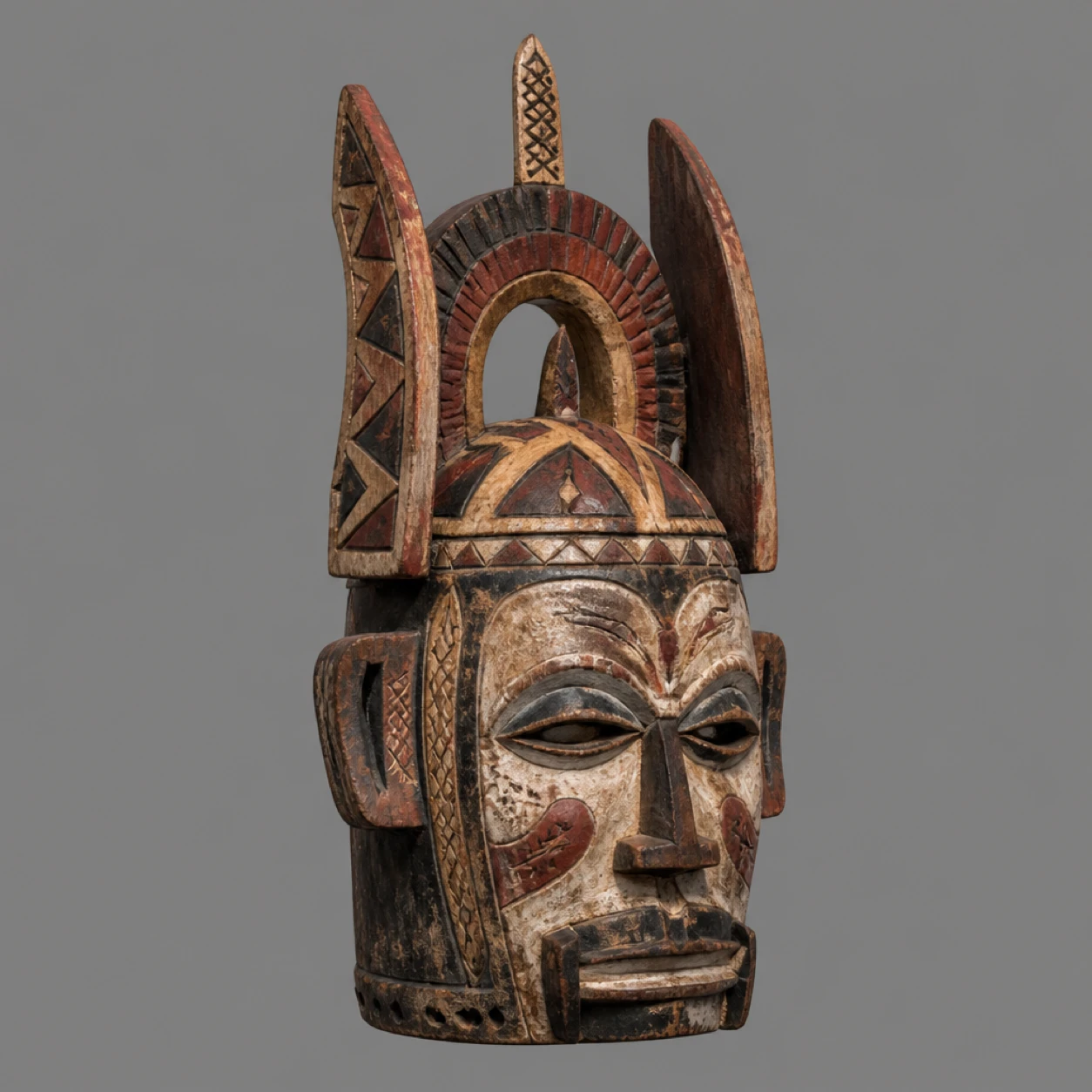
- Gelede Festival Masks: Yoruba Helmets for the Mothers Yoruba Gelede helmet masks honor our mothers in marketplace festivals. The Met Ketu example stands 57.2 cm tall in mid-20th-century wood.
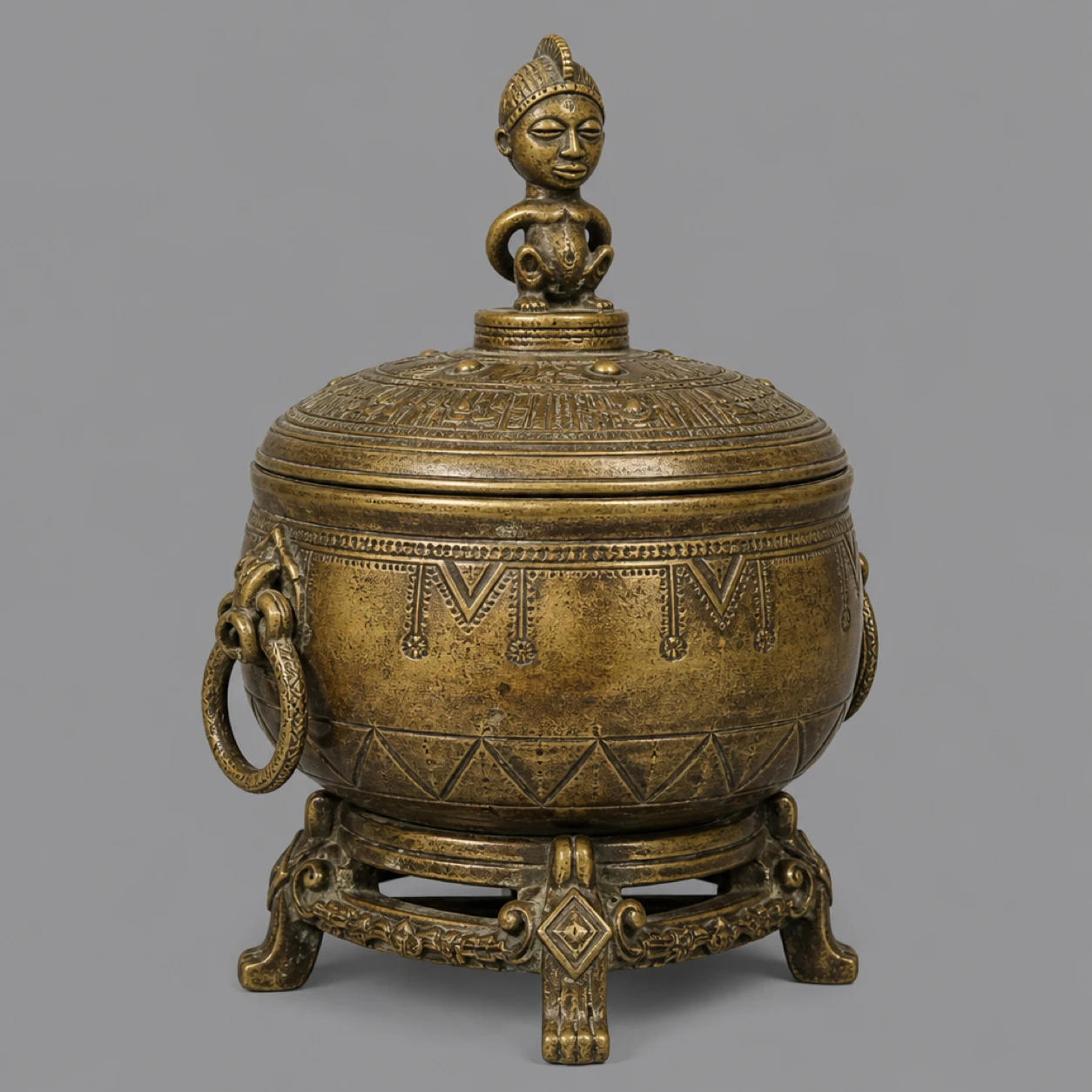
- Kuduo: Asante Brass Vessel for Gold Dust and Kra Asante kings and courtiers stored gold dust in cast brass kuduo that also guarded the owner's kra. The Met's 1981.431.14 stands 17.5 cm high.
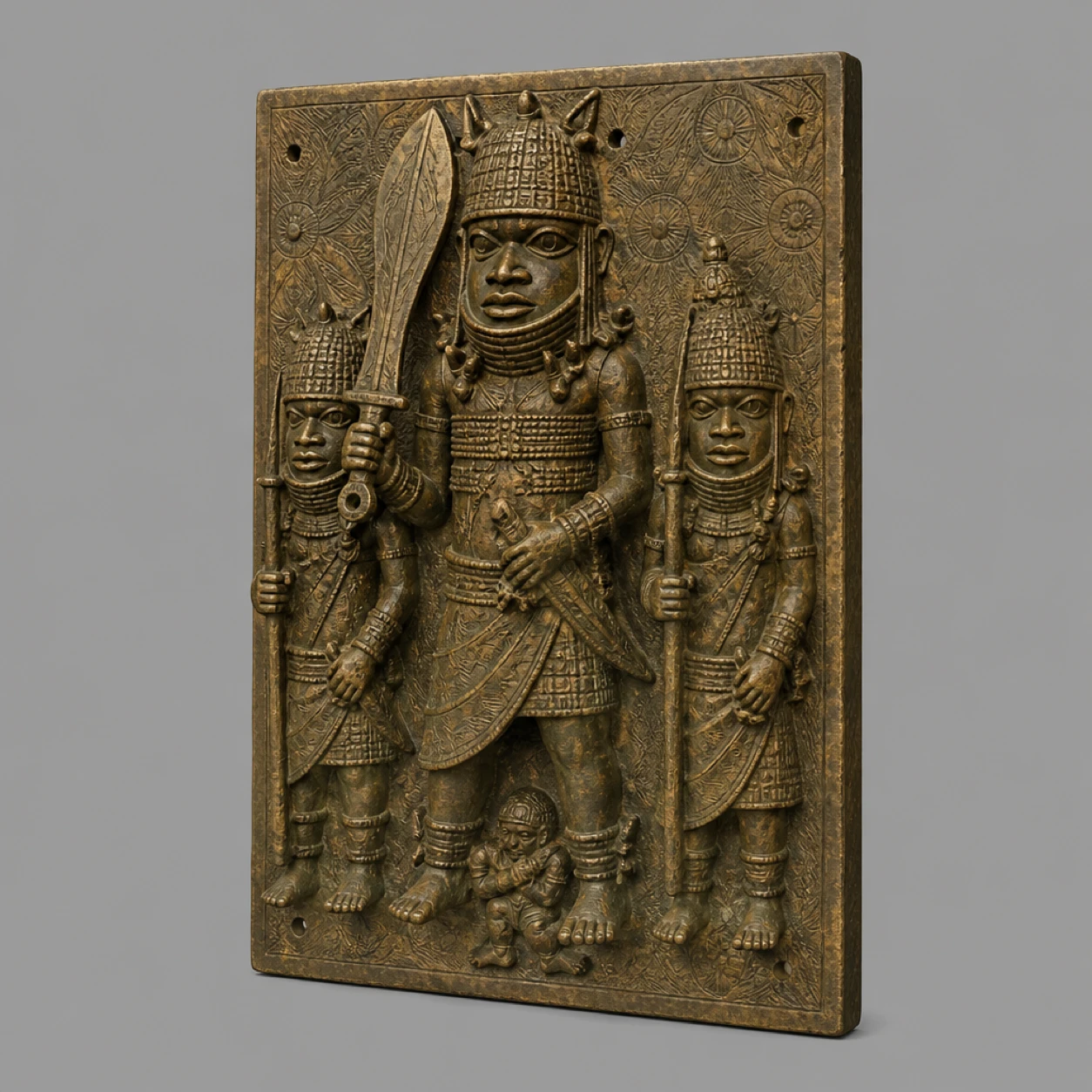
- Palace Plaques: Brass Court Scenes on Benin's Pillars Around 900 brass relief plaques once clad wooden palace pillars in Benin City. The Met's equestrian Oba cast is about 50 cm high.
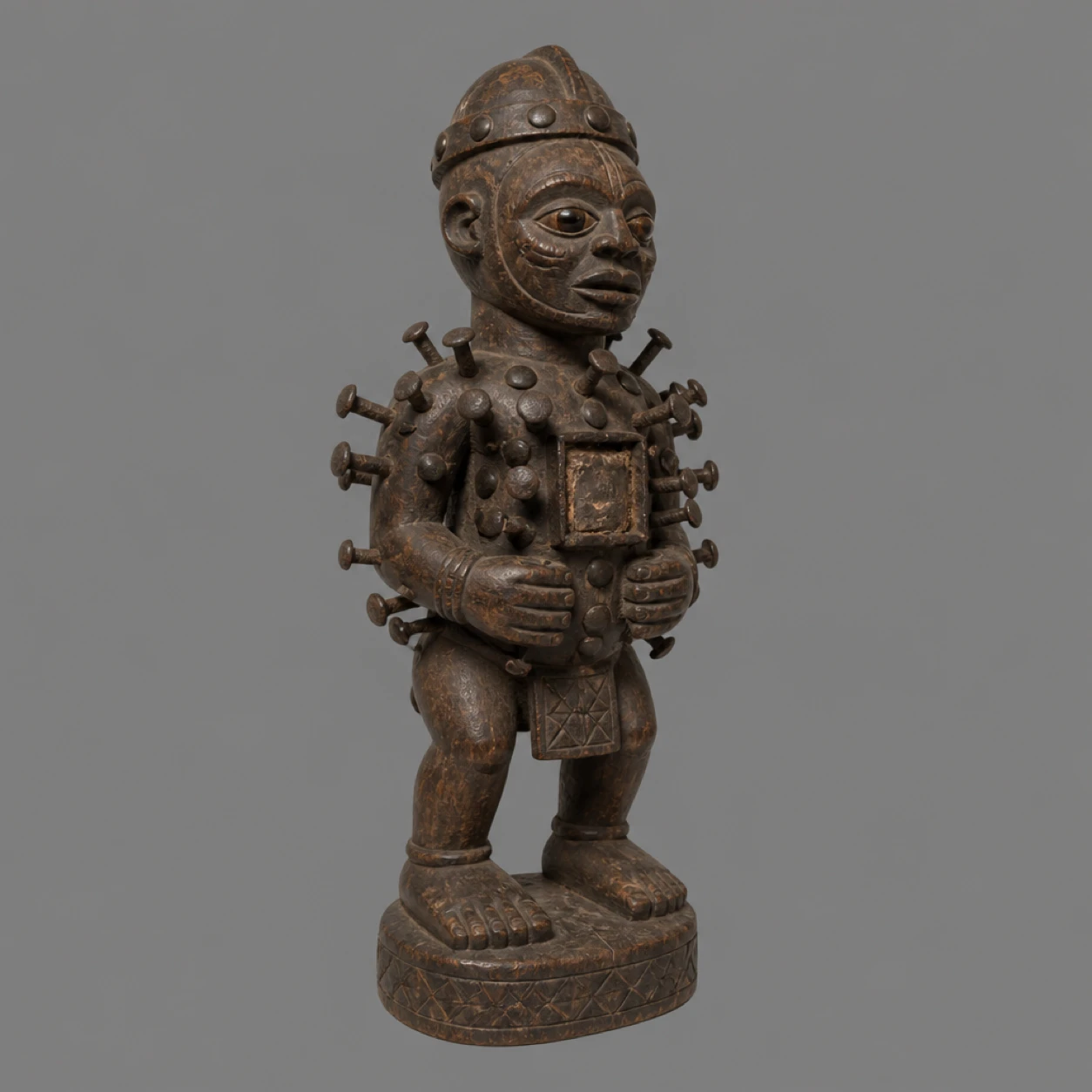
- Nkisi Nkondi: Kongo's Hunter Power Figure Kongo nkisi nkondi figures held sacred medicines and metal nails for oaths and justice. The Met's Mangaaka stands about 118 cm tall.
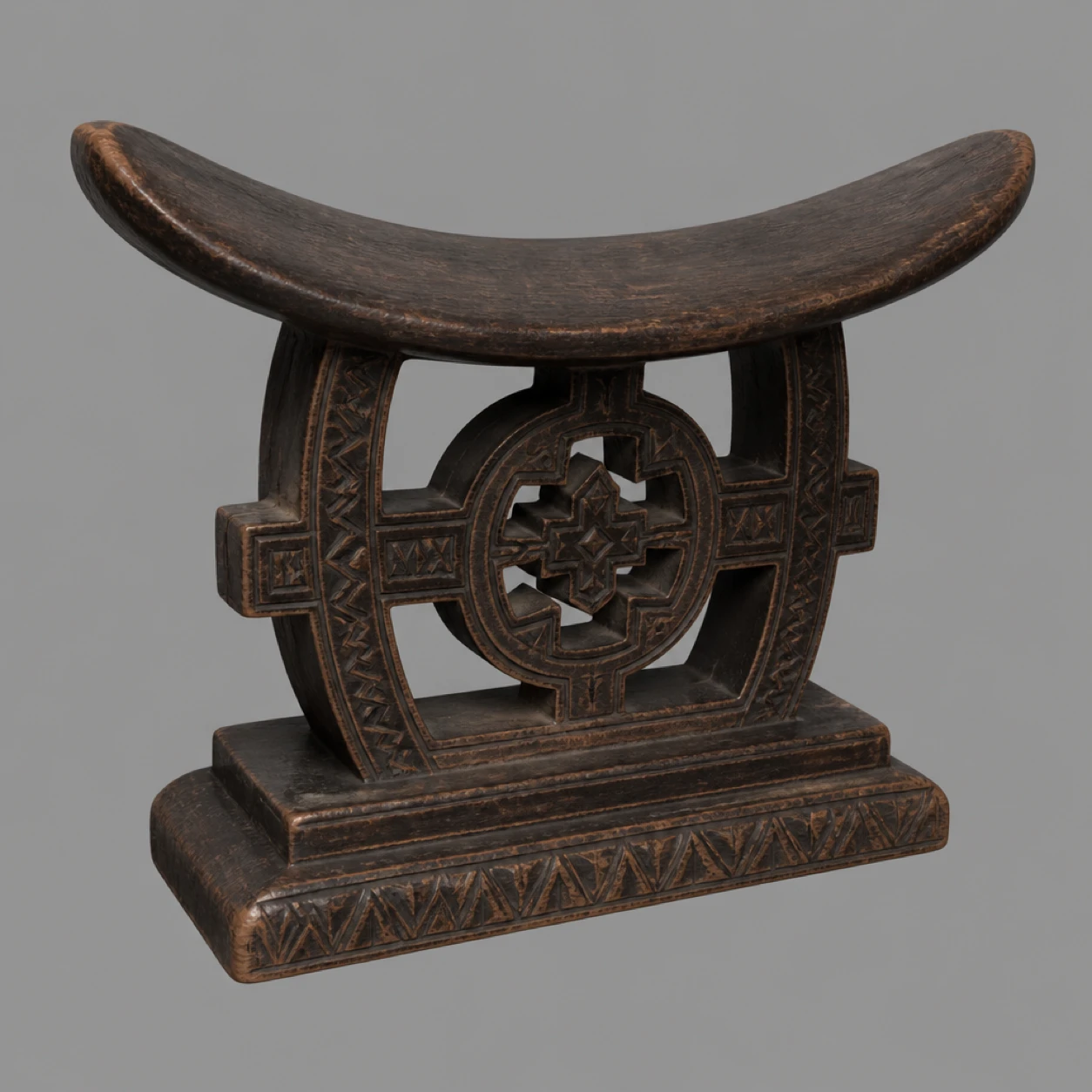
- Prestige Stool: Curved Seat for Living Chiefs, Blackened for Ancestors Akan chiefs sat on carved wood stools that later became blackened ancestor altars. The Met's kontonkrowie example stands 36.8 cm high.
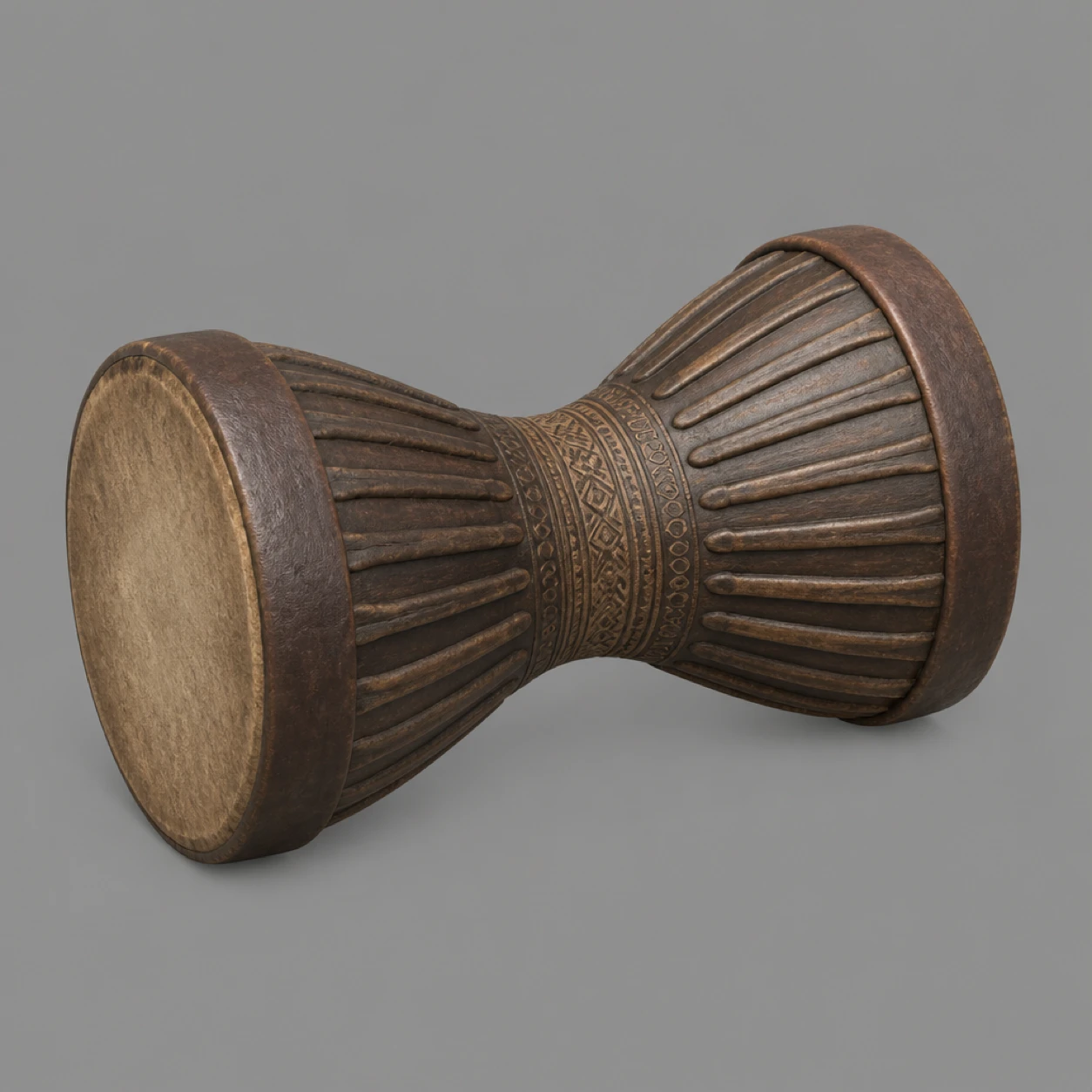
- Dùndún: Yoruba Pressure Drums That Speak in Tone Yoruba dùndún hourglass drums change pitch under the arm to mimic speech tones. The Met's iya ilu mother drum is 47.6 cm long.
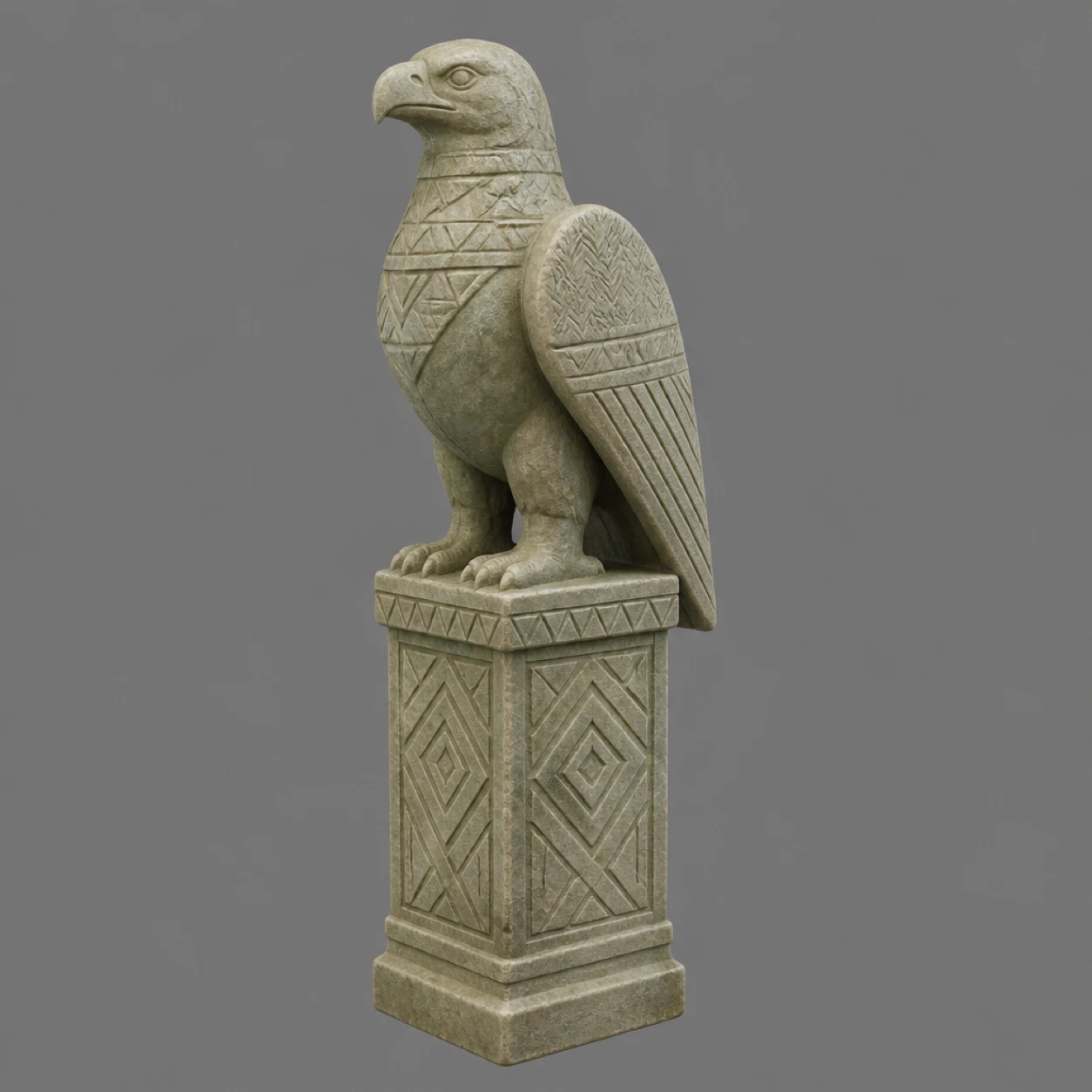
- Soapstone Birds of Great Zimbabwe: Royal Emblems in Stone Eight soapstone birds from Great Zimbabwe average about 40 cm tall on meter-high columns. Six came from the Hill Complex Eastern Enclosure.
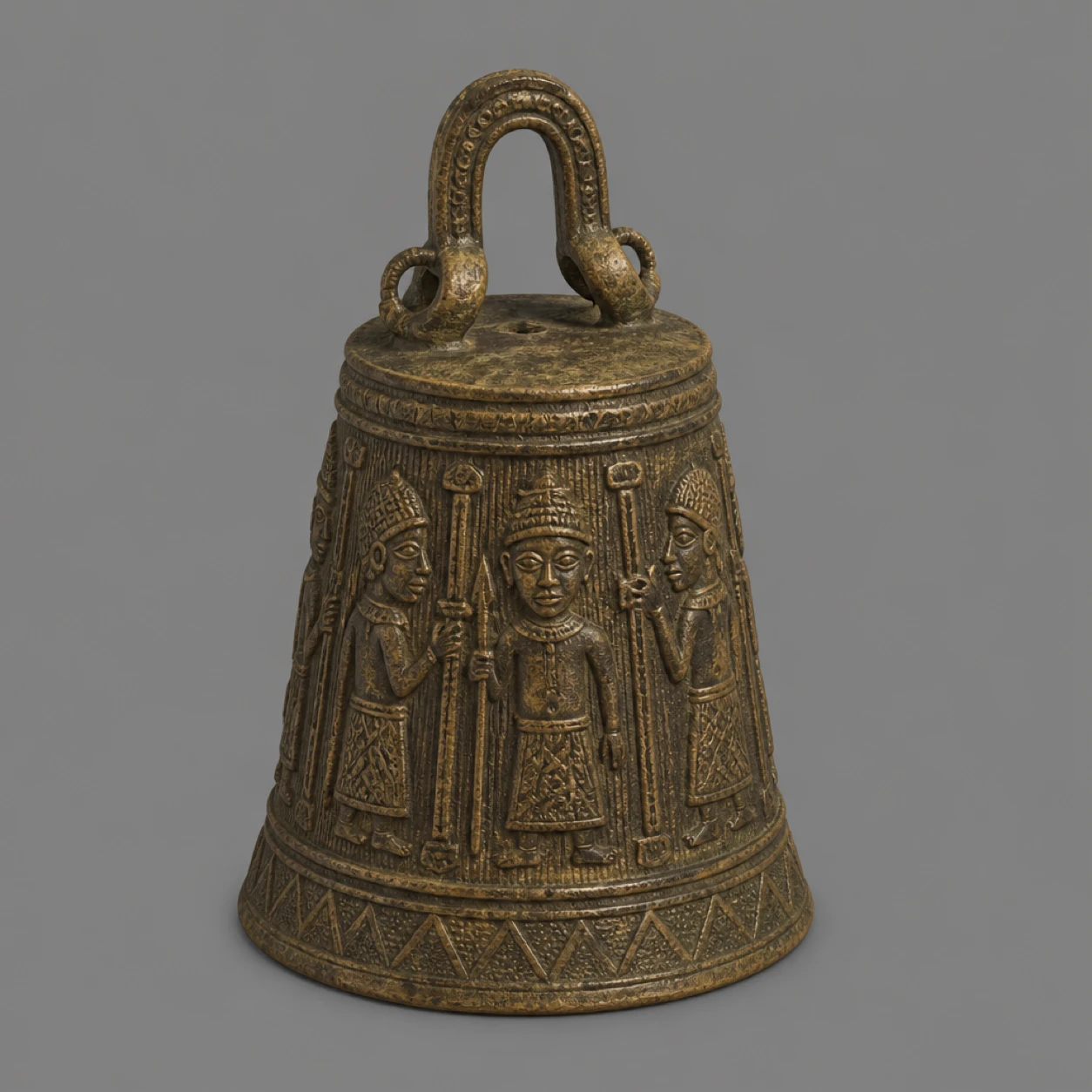
- Ancestral Altar Bells in Benin: Brass Summons for the Dead On Benin palace ancestral altars, cast brass bells were rung to summon the dead. The Met's Portuguese-heads bell stands 19.1 cm high.
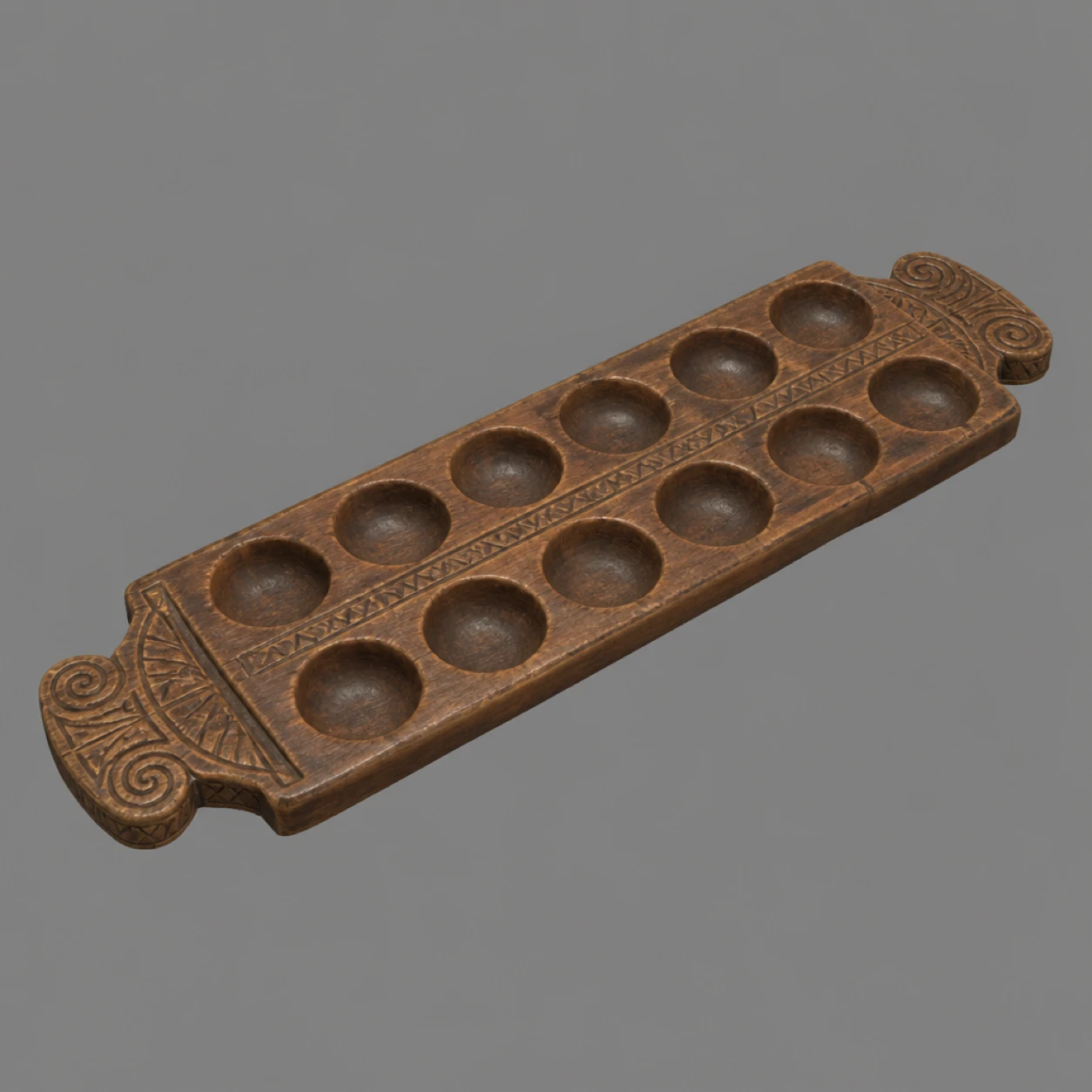
- Ayo Board: Yoruba Count-and-Capture Play on Wood Yoruba opon ayo boards hold two rows of six cups for seed play. The Smithsonian's carved status board measures 65.5 cm long.
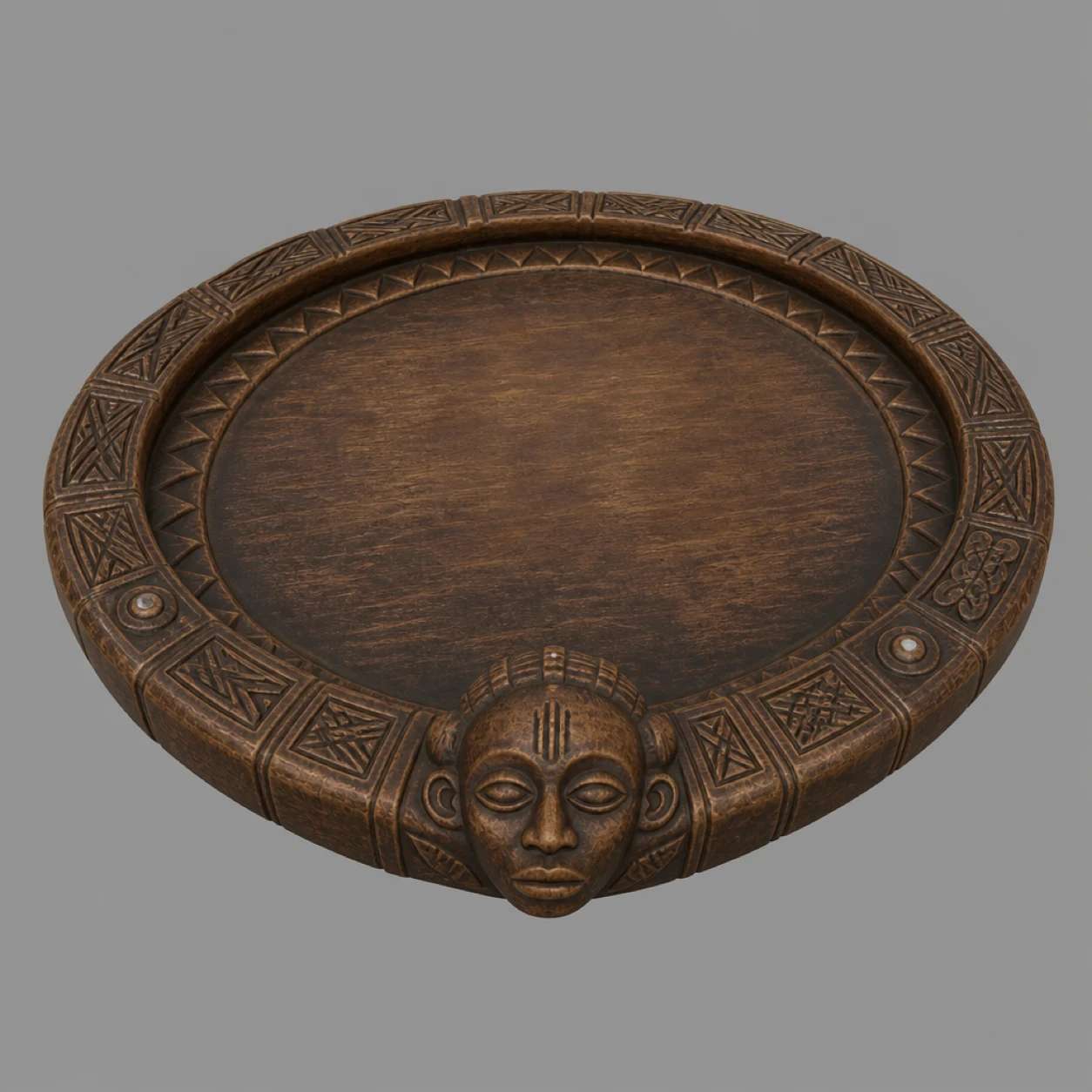
- What Is an Ifa Tray? Yoruba's Opon Ifa for Divination Yoruba diviners mark odu verse signs in wood powder on an opon Ifa tray. Areogun's Art Institute example measures 45.8 by 44.5 cm and shows Eshu.
Mesopotamia
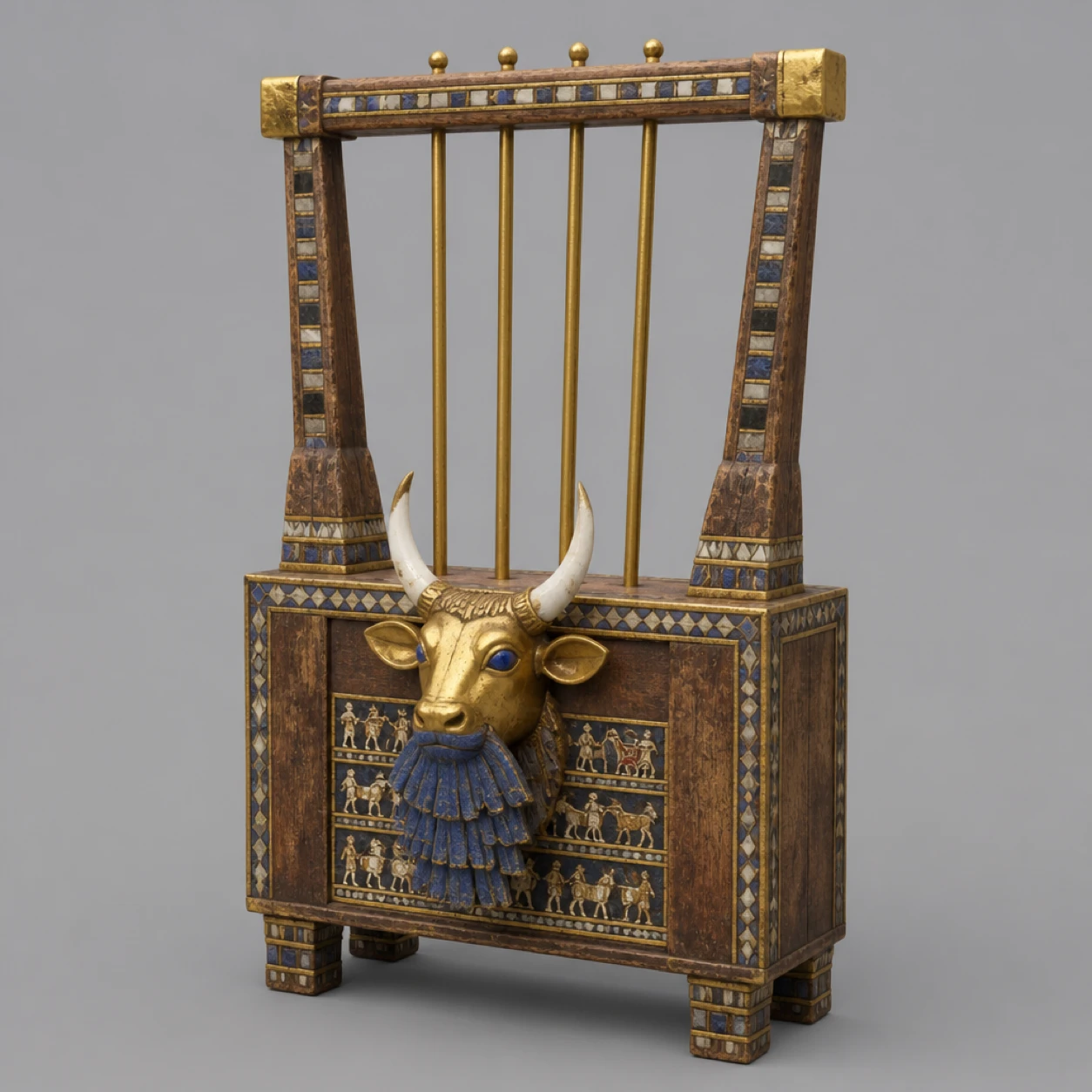
- Queen's Lyre: Bull-Headed Music from Ur's Royal Cemetery Gold bull mask, lapis beard, and shell-inlaid mosaic on the Queen's Lyre from Puabi's tomb at Ur. The British Museum holds the reconstruction.
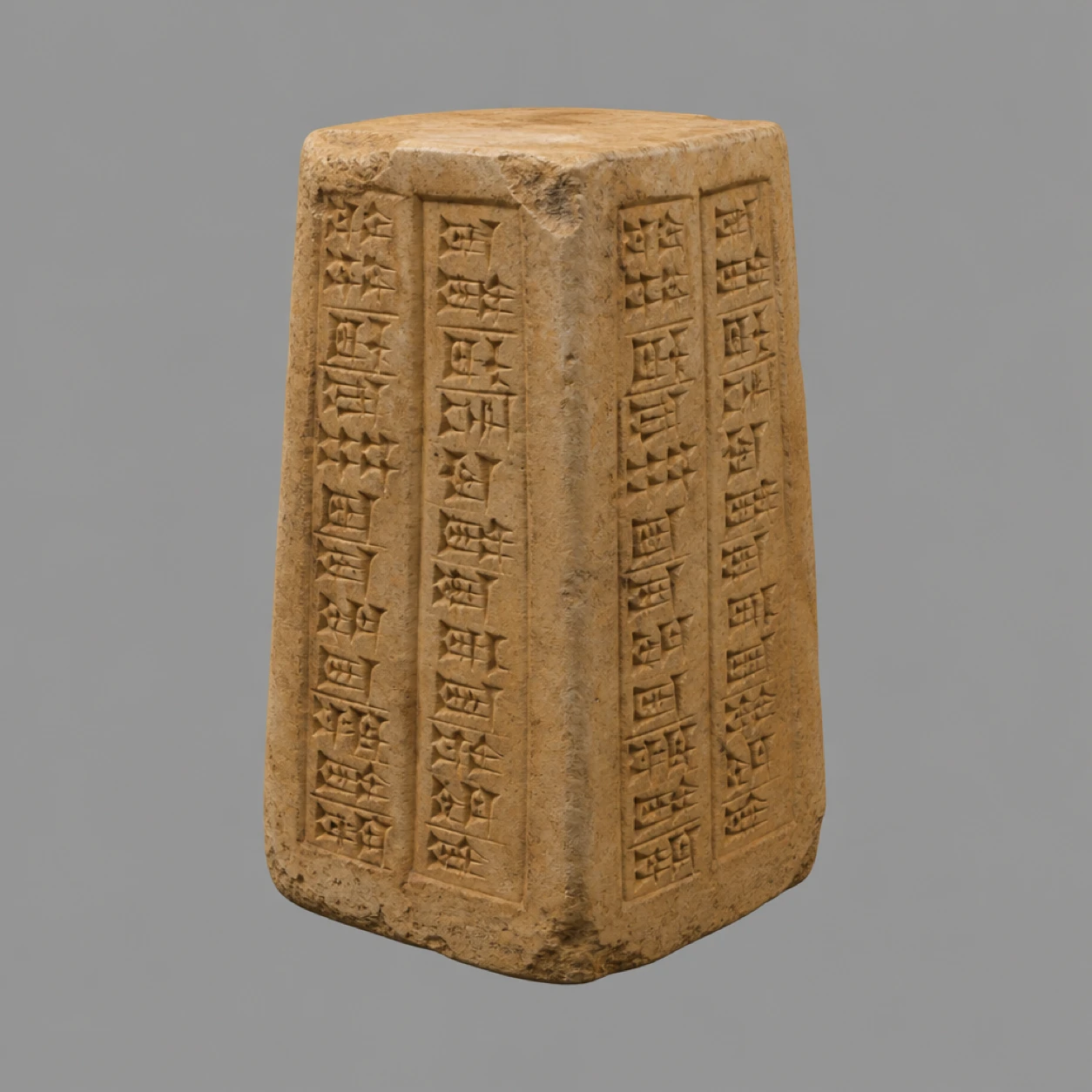
- The Taylor Prism: Sennacherib's Hexagonal Annals at the British Museum Hexagonal clay prism BM 91032 carries Sennacherib's campaigns in 691 BC cuneiform. Found at Nineveh's Nebi Yunus, on view in Room 55.
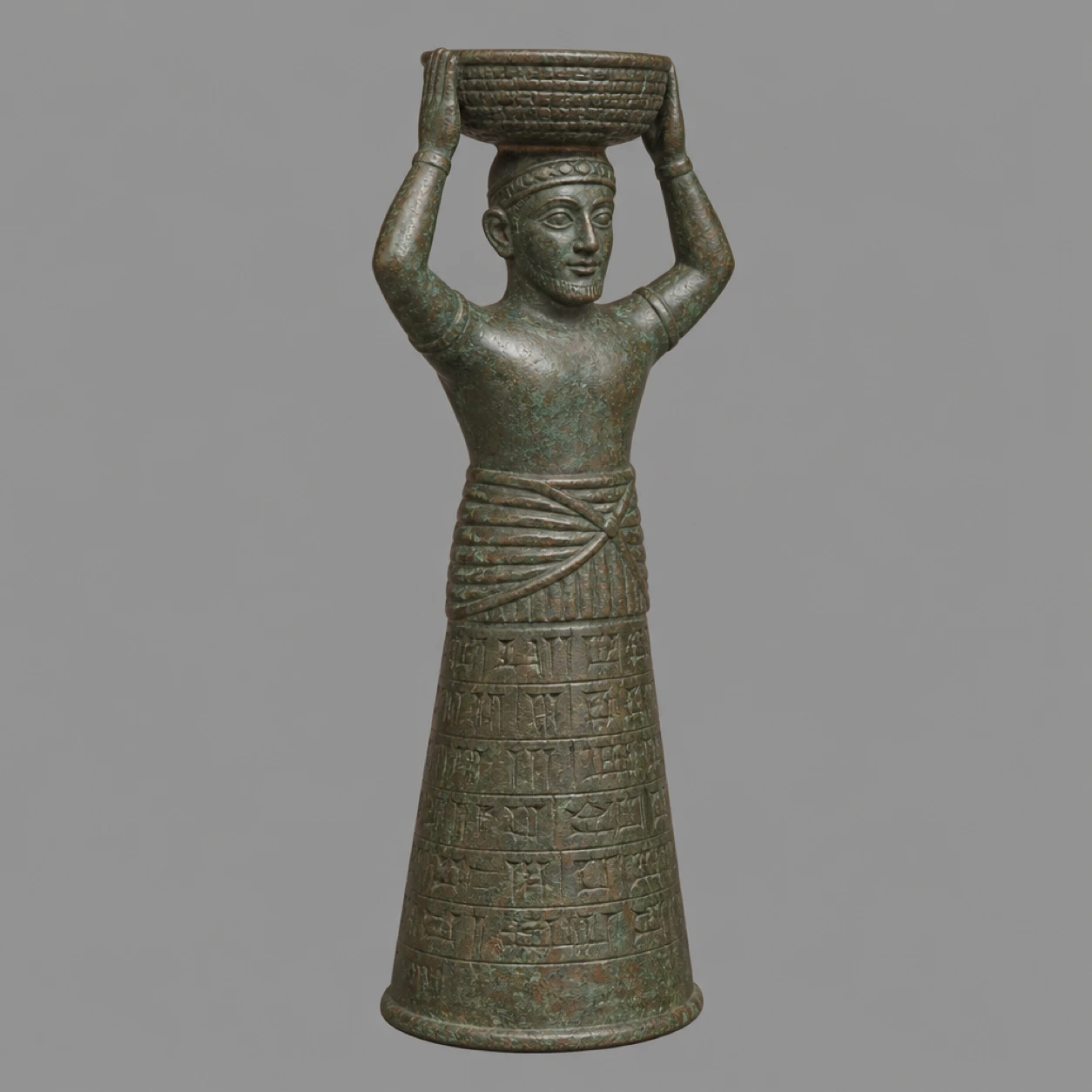
- Foundation Pegs in Ur III: Basket-Bearing Kings in Copper Ur III kings buried copper peg figurines under temple floors, basket on the head. The Met's Shulgi peg 59.41.1 stands 31 cm; BM Ur-Nammu came from Uruk Eanna.
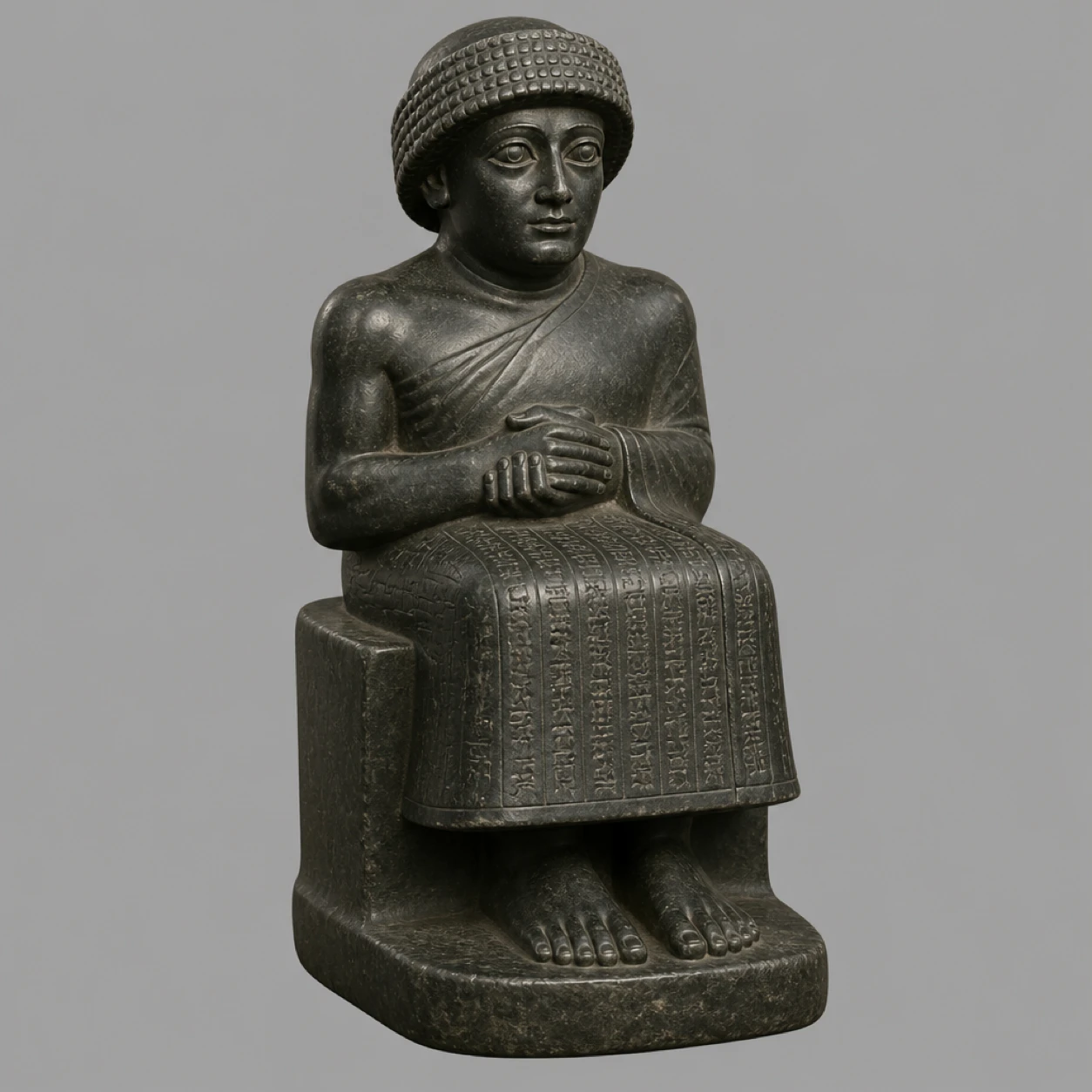
- Met Gudea (59.2): Long Life to the Temple Builder Gudea ruled Lagash after Akkad fell. The Met's diorite seated statue (59.2) calls him the man who built the temple, hands clasped, royal cap, robe inscription.
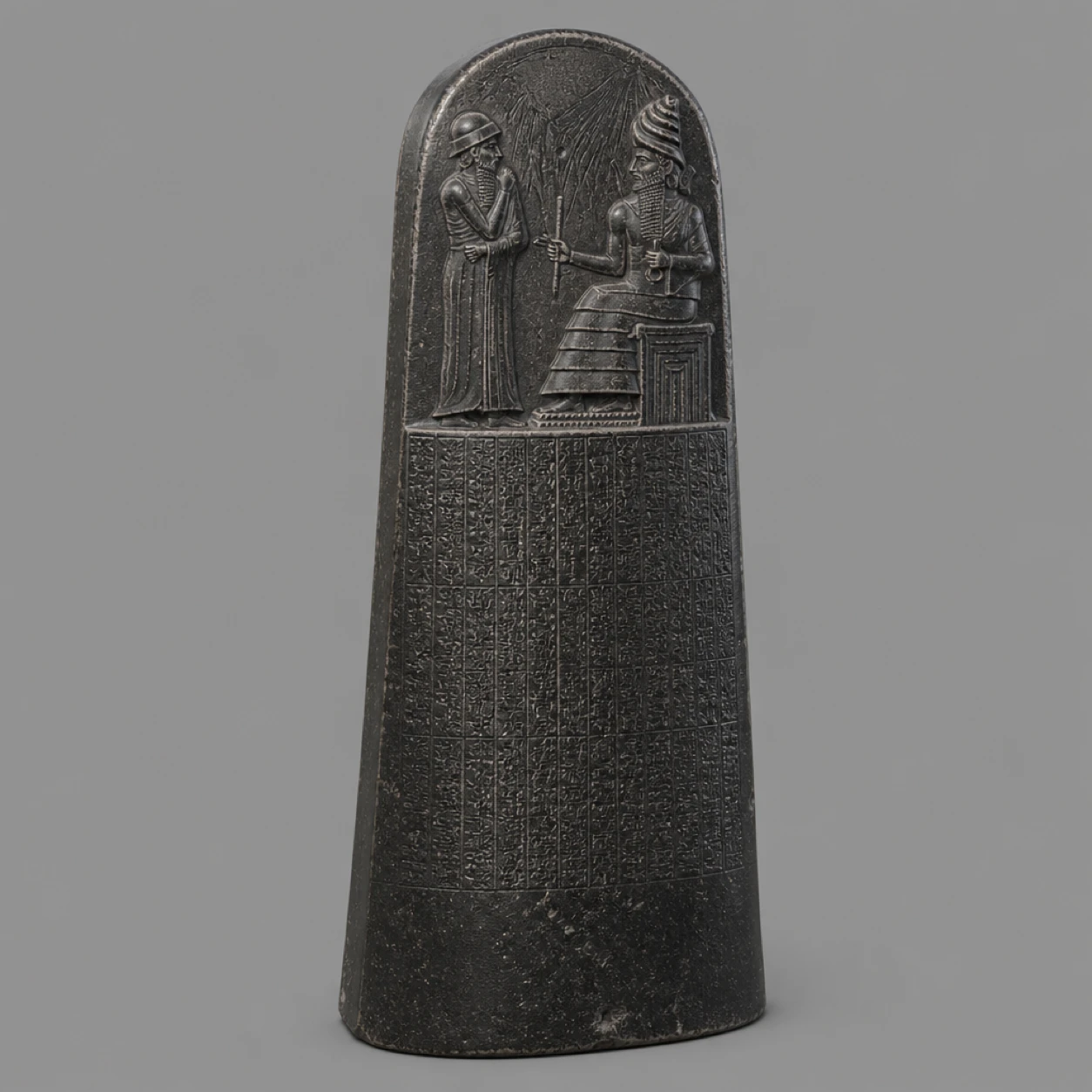
- The Louvre Stele: Hammurabi's Law Code in Basalt Carved around 1750 BCE, Hammurabi's basalt stele holds 282 laws and a relief of the king before Shamash. The Louvre piece is 225 cm tall.
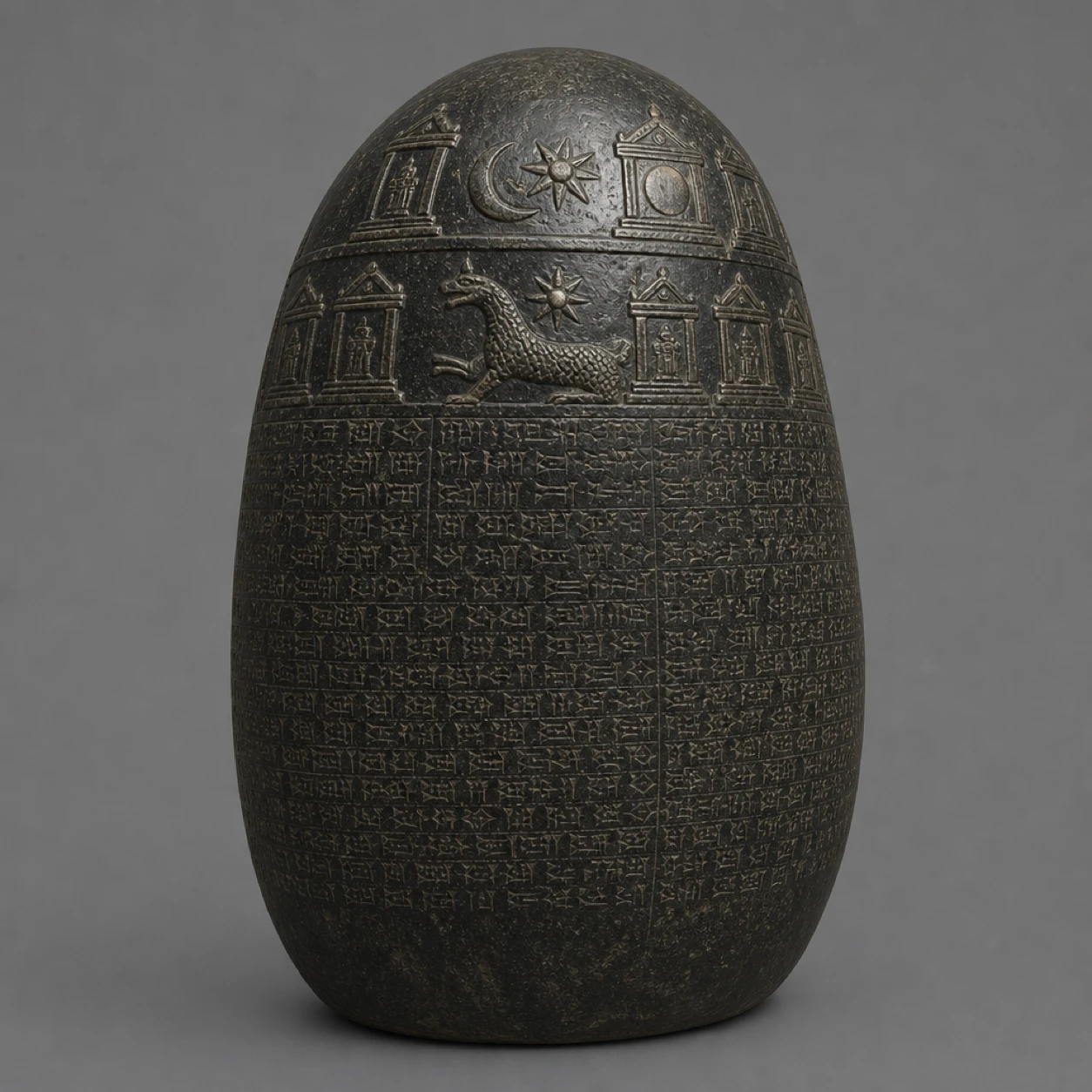
- What Is a Kudurru? Kassite Boundary and Entitlement Stones Kassite kudurrus fixed land grants in cuneiform under divine symbols. The Louvre Meli-Shipak stone stands 65 cm high with carved deity emblems.
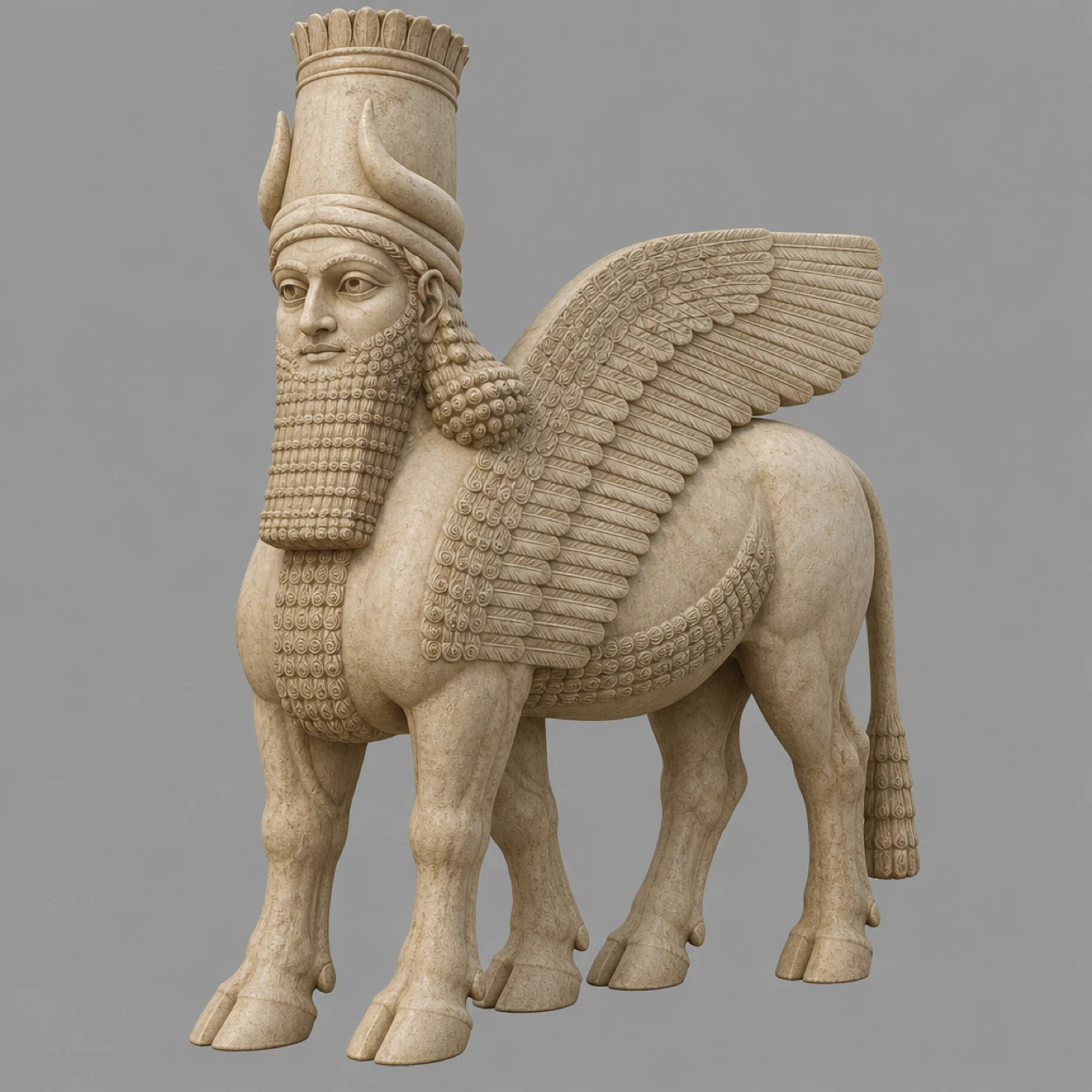
- Lamassu: Assyrian Gate Guardians at the Palace Threshold Neo-Assyrian lamassu guarded palace gates in pairs, five legs carved so they stand from the front and stride from the side. The Met bull weighs 7 tonnes.
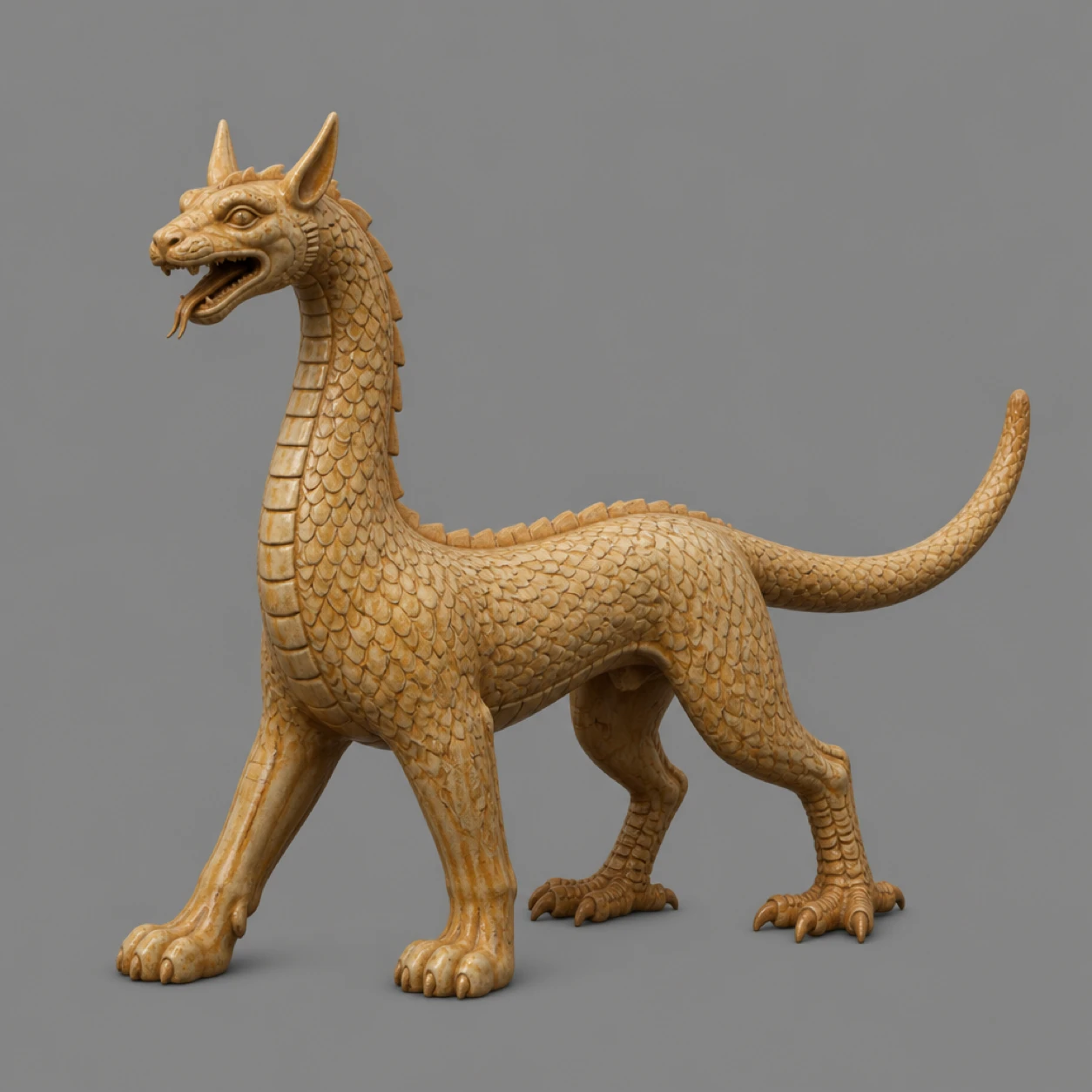
- Mushussu: Furious Snake-Dragon of the Ishtar Gate Babylon's mushhushshu guarded Nebuchadnezzar's glazed gate as Marduk's emblem, a composite snake rather than a winged European dragon.
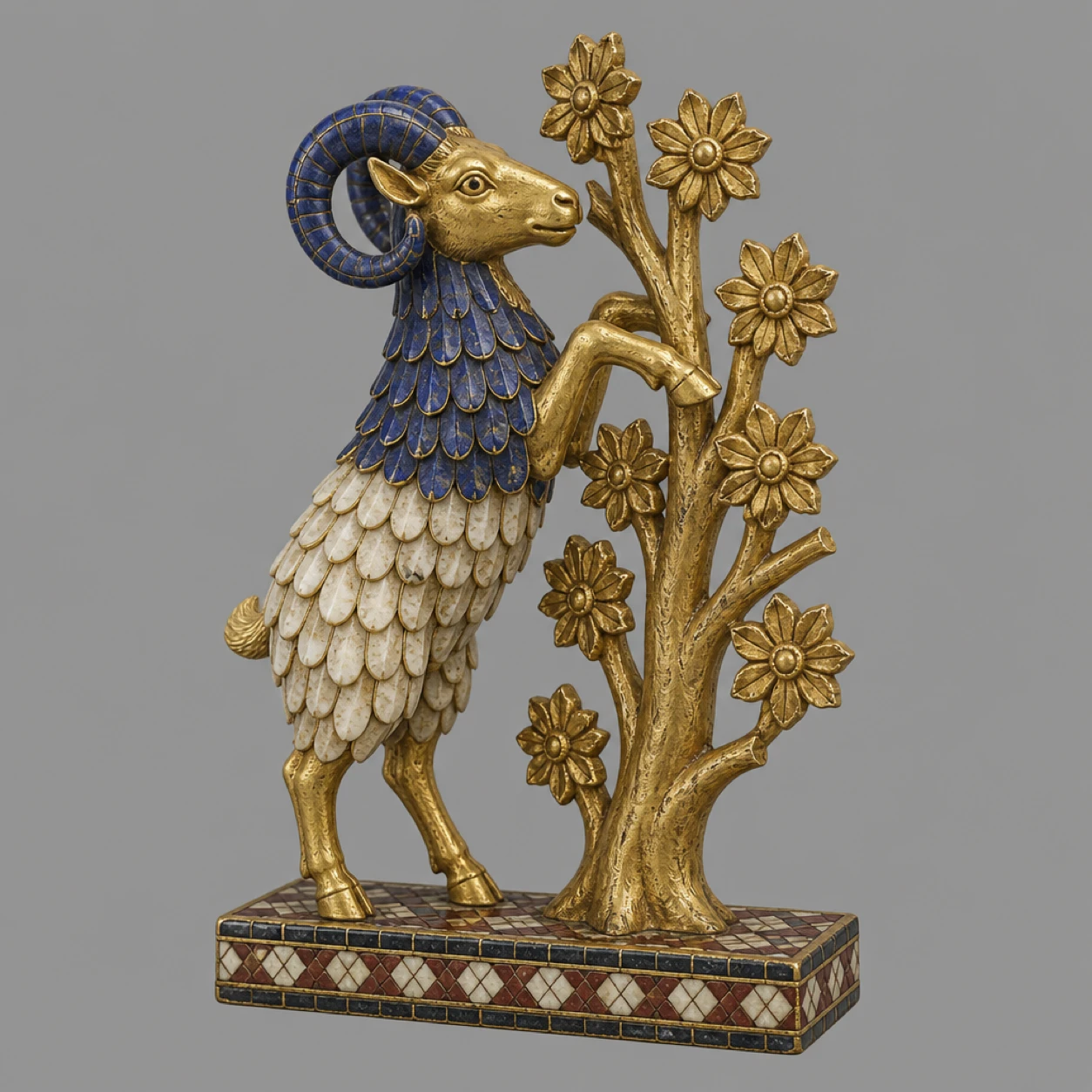
- The British Museum Ram in the Thicket: Woolley's Goat from Ur's Death Pit Early Dynastic goat from Ur's Great Death Pit, rebuilt in gold, lapis, and shell after excavation. British Museum museum number 122200.
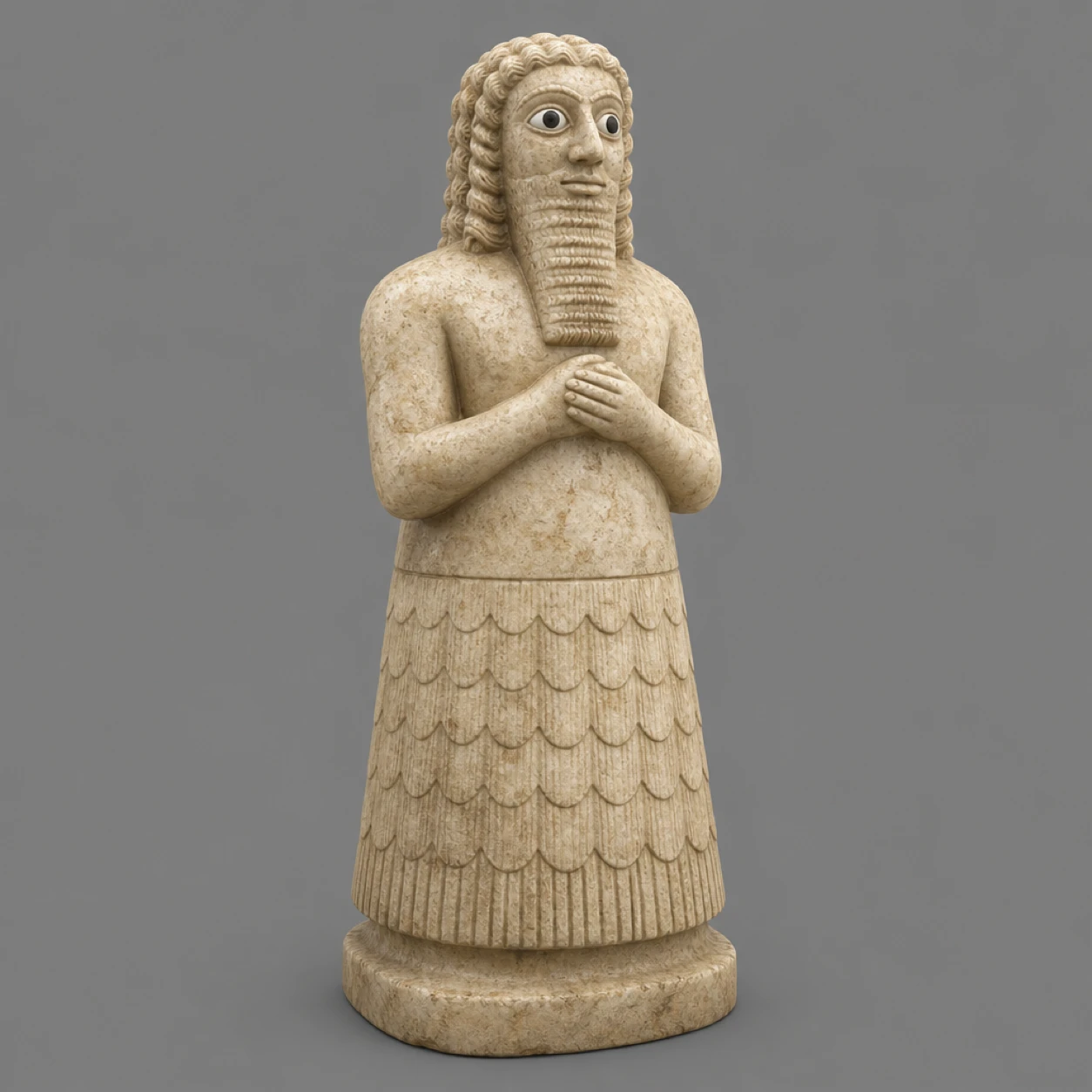
- What Is a Votive Statue? Tell Asmar's Wide-Eyed Temple Worshiper Sumerian votive figures stood in temple cellars with clasped hands and staring shell eyes. The Met's Tell Asmar male worshiper, 40.156, is not on view.
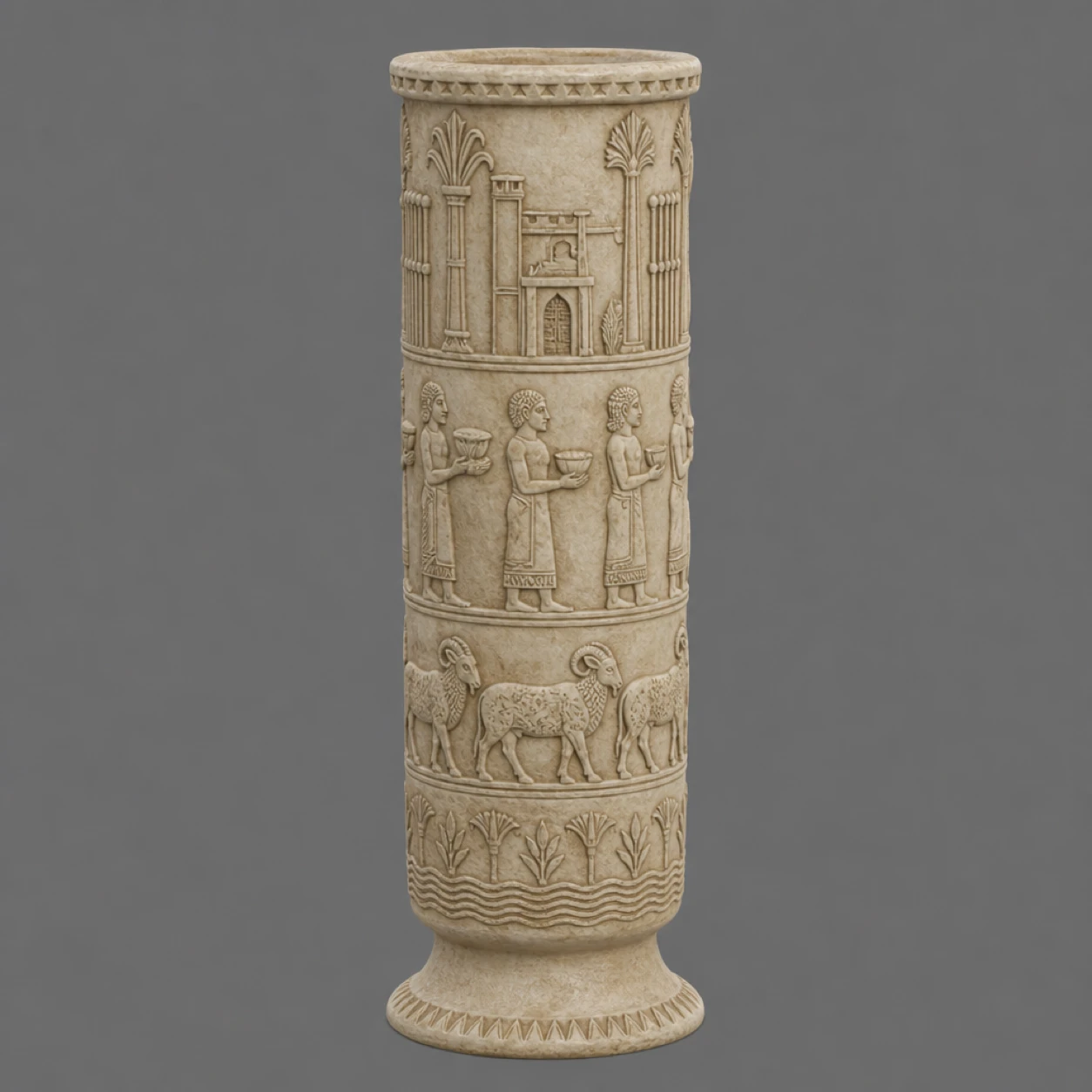
- Late Uruk Temple Offerings: The Warka Vase in Alabaster Carved in alabaster circa 3000 BCE, the Warka Vase stands about a meter tall in Baghdad's Iraq Museum, restored after looters broke it in 2003.
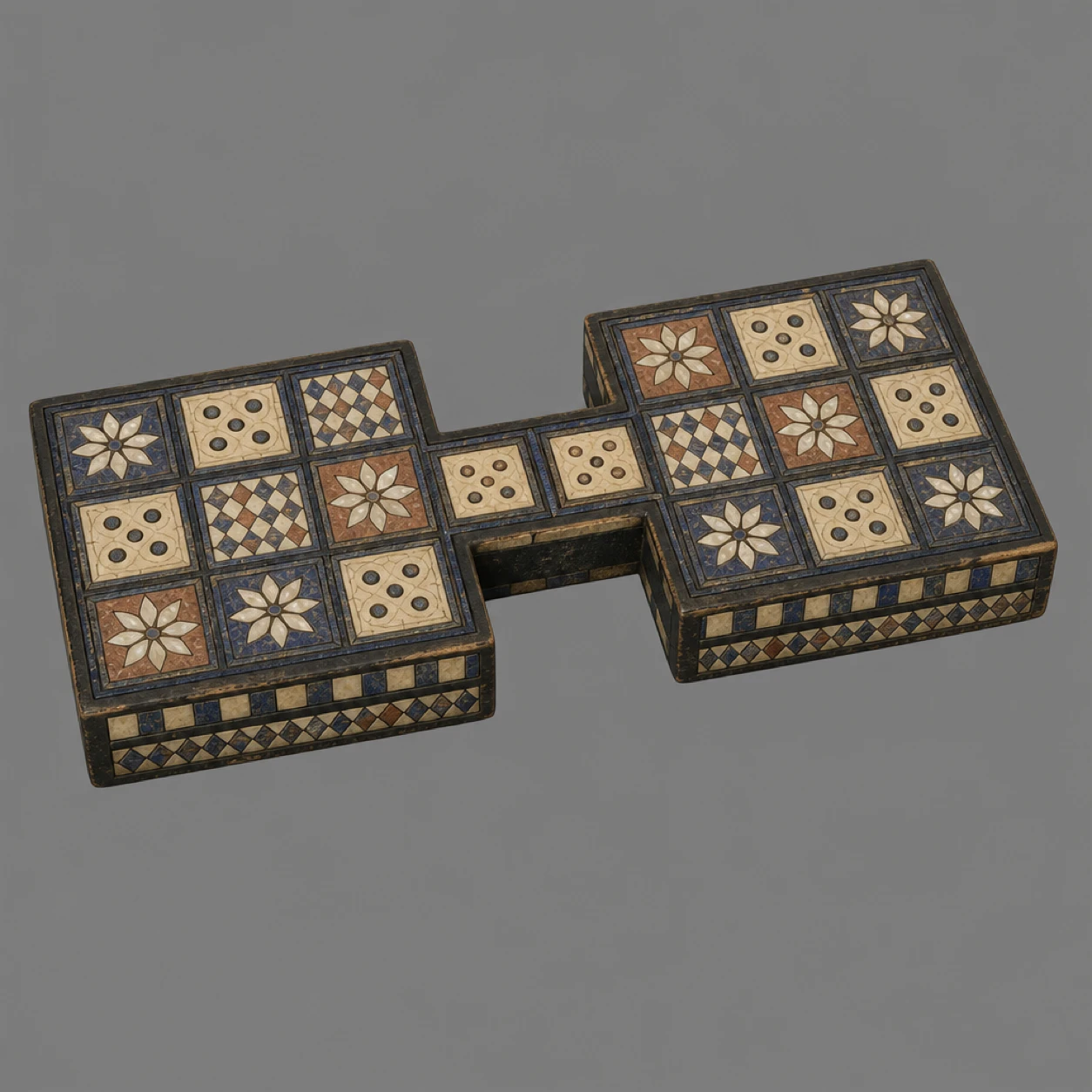
- Twenty-Square Board from the Royal Cemetery at Ur Early Dynastic boards from Ur carry twenty inlaid shell squares. The British Museum's ME 120834 measures 30.1 cm long and stands on display in Room 56.
China
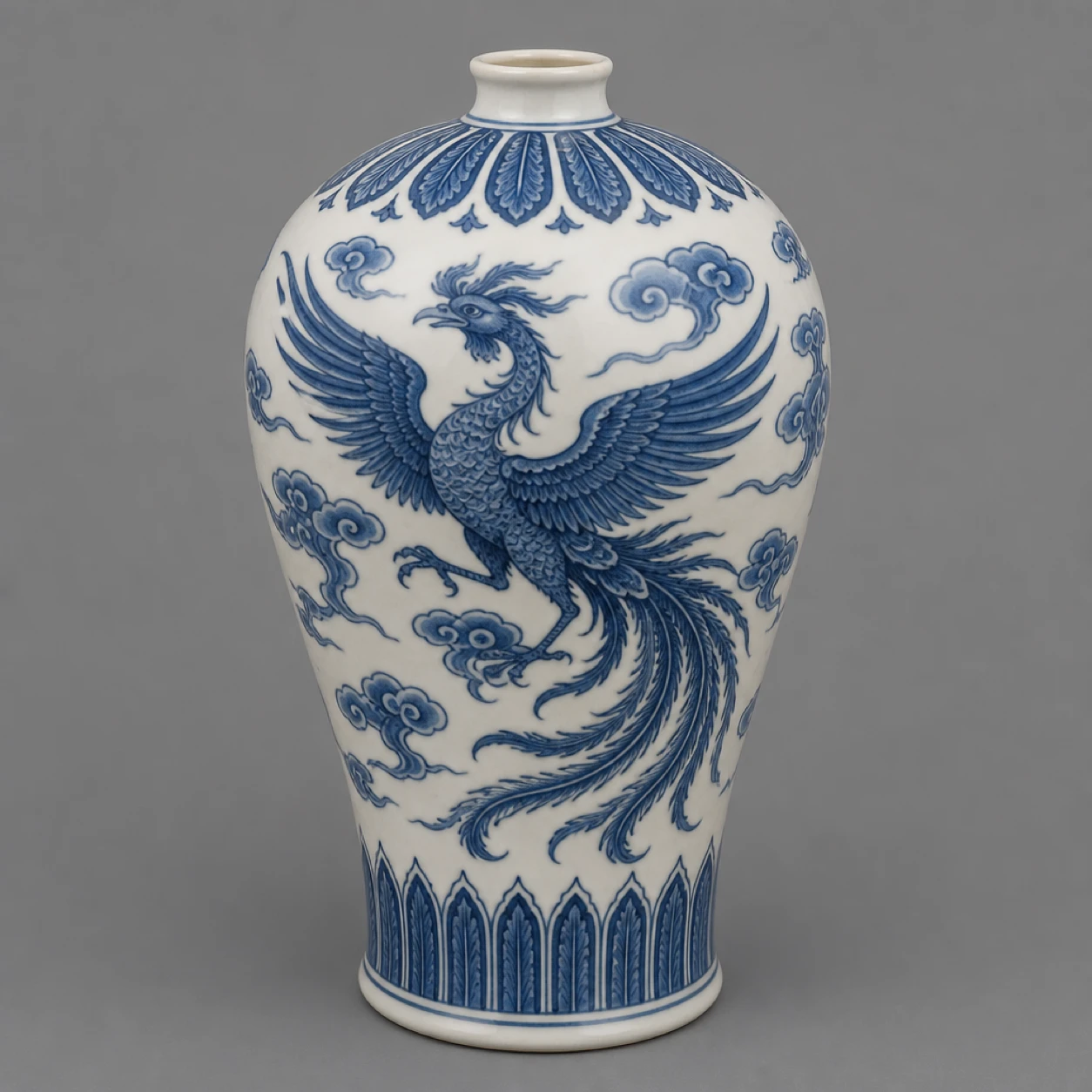
- Blue-and-White Porcelain: Cobalt on a Court Vase Yuan kilns at Jingdezhen mastered cobalt under the glaze. The Met's Wanli phoenix meiping stands 63.8 cm tall in Gallery 204.
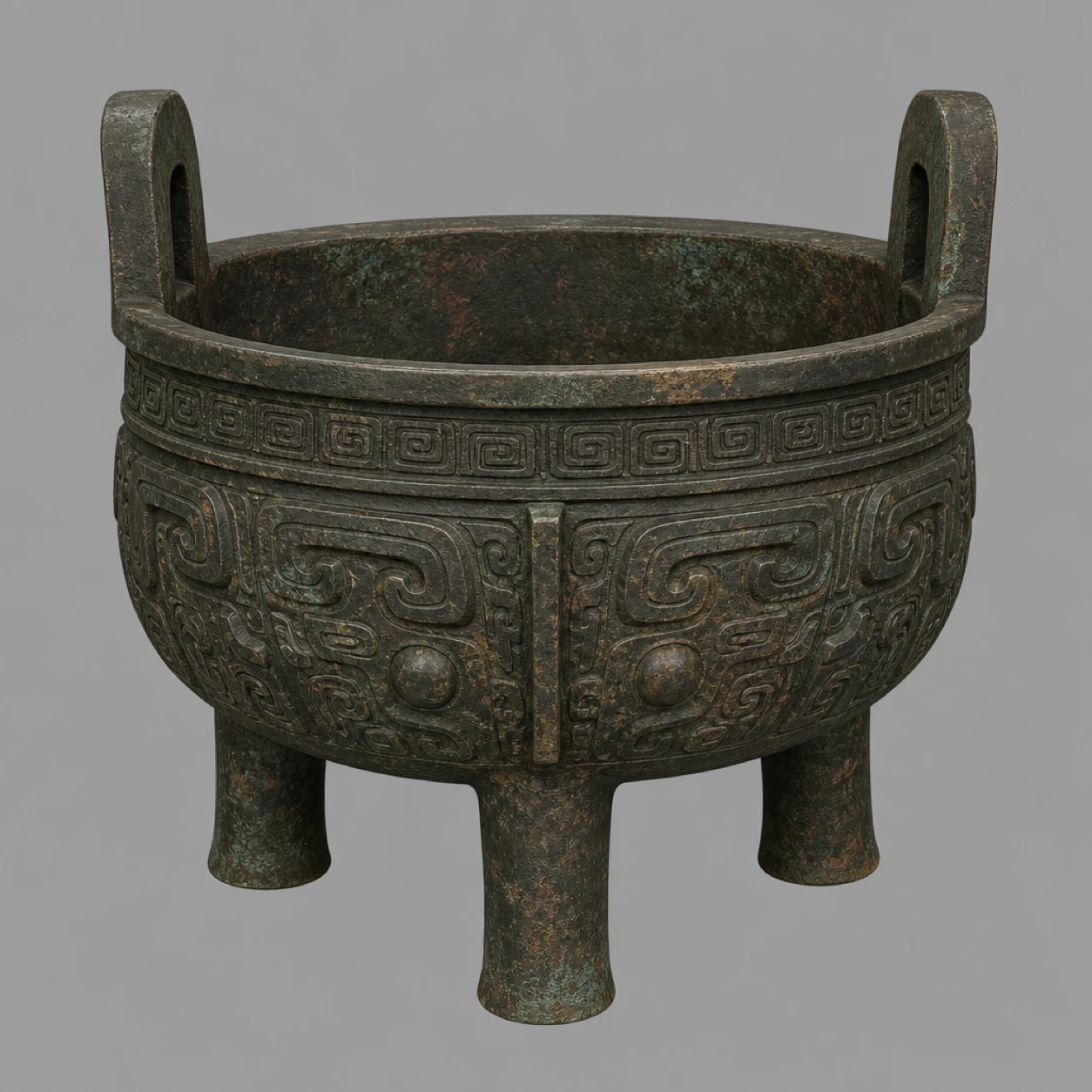
- Bronze Ding: The Vessel That Fed the Ancestors Shang ding cooked meat and grain for clan ancestors. The Met fangding 43.25.2 is a four-leg box; its lid becomes a table.
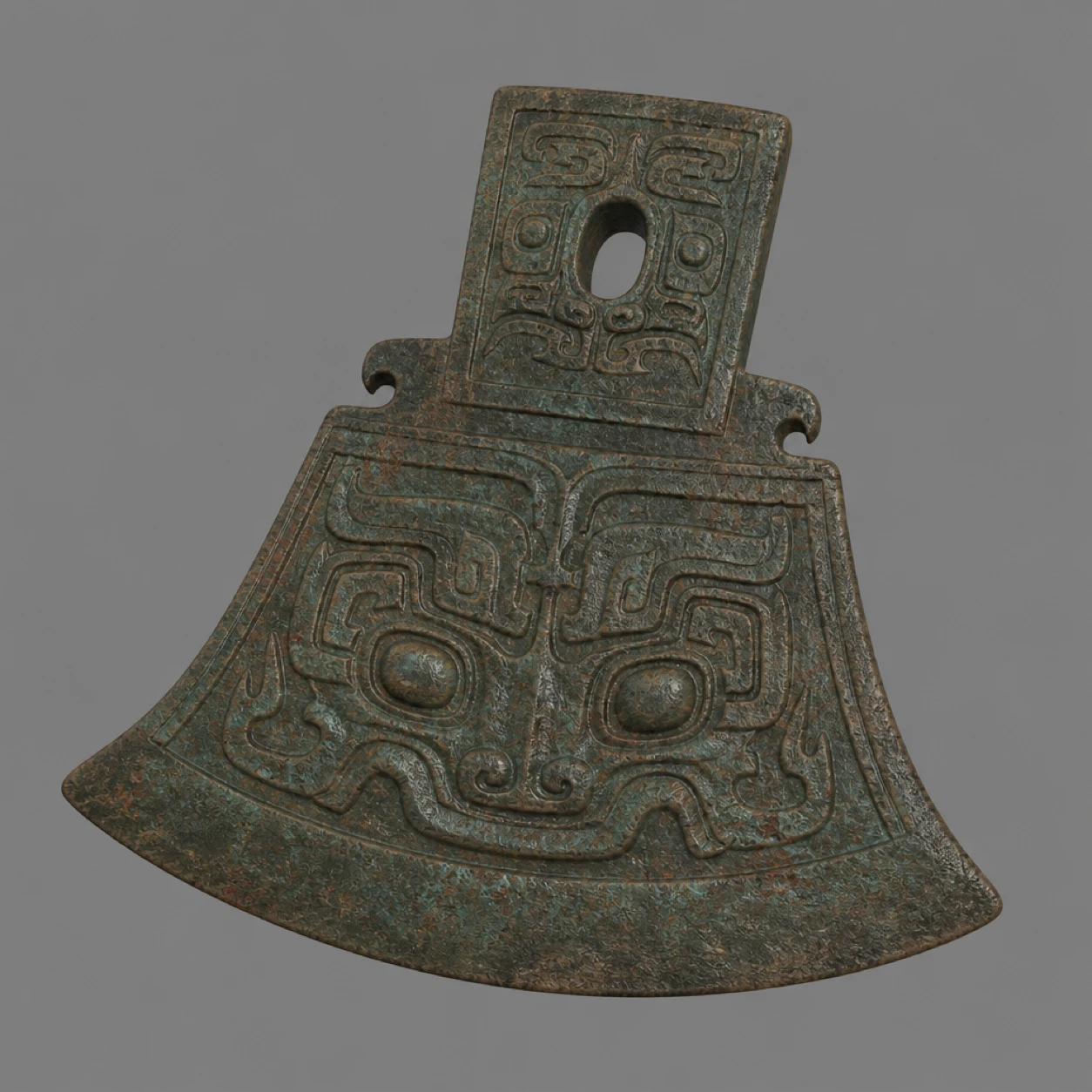
- Bronze Yue: The Axe Held in Rite Freer F1996.8 is a 19 cm Western Zhou yue with a blunt edge and a feline mask. Shang and early Zhou courts held the yue as rank.
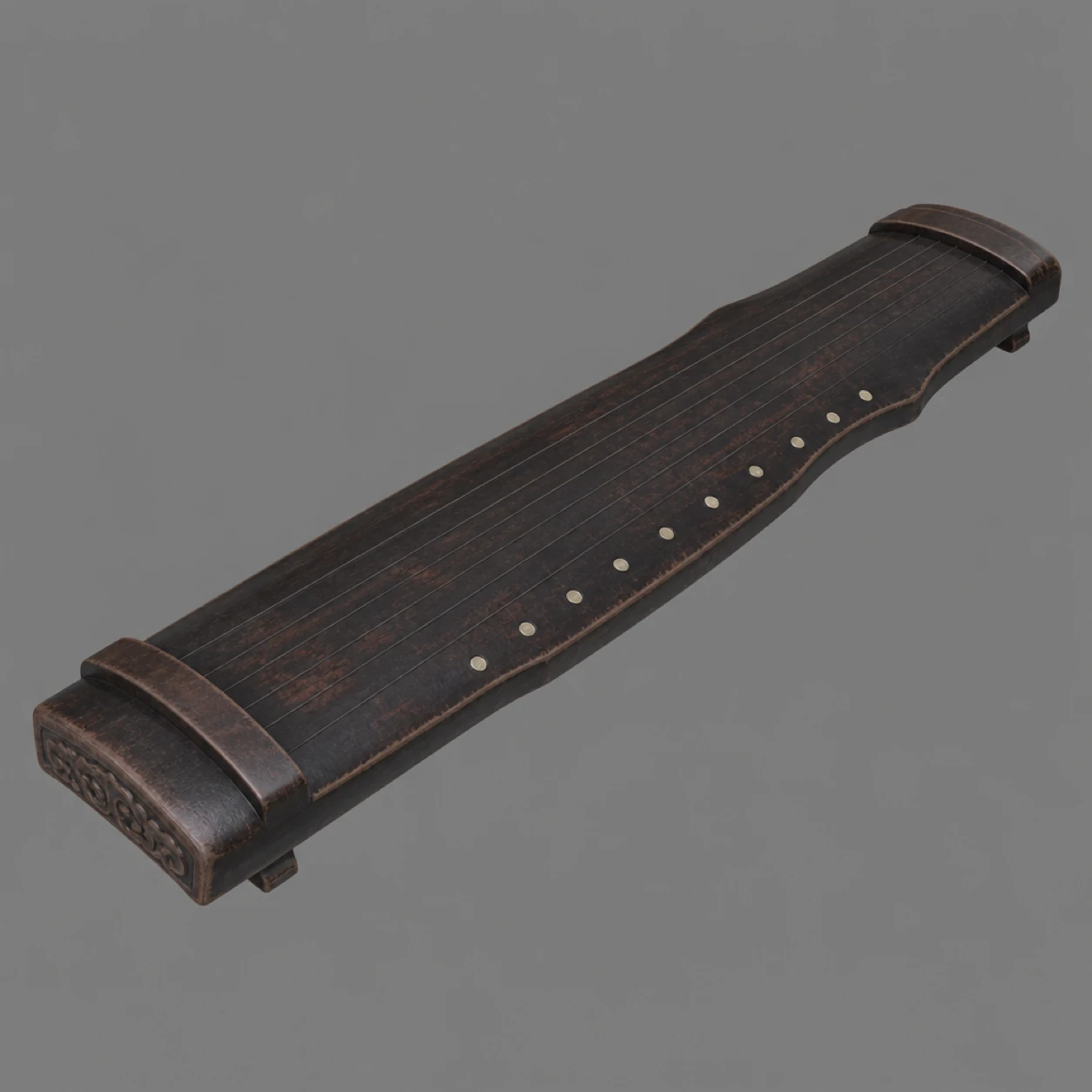
- Guqin: Seven Strings on a Scholar's Desk The Met's Prince Lu qin, number 18, dated 1634, still has seven silk strings and thirteen hui. A zheng uses movable bridges and more strings.
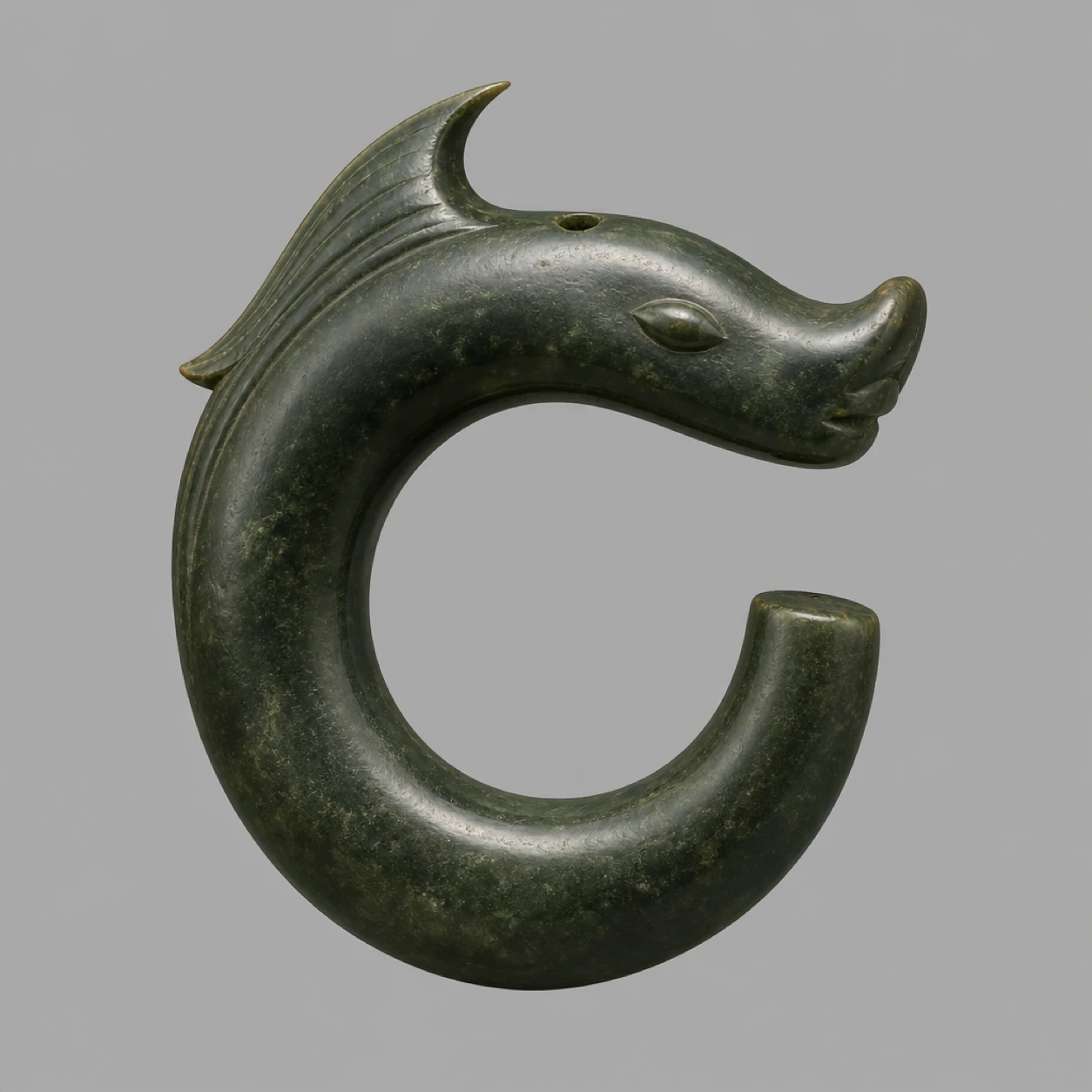
- Hongshan Jade: The C-Shaped Dragon of the Northeast Neolithic A 26 cm C-shaped jade in Beijing is Hongshan, from Inner Mongolia. Niuheliang graves held a thicker coiled pig-dragon instead.
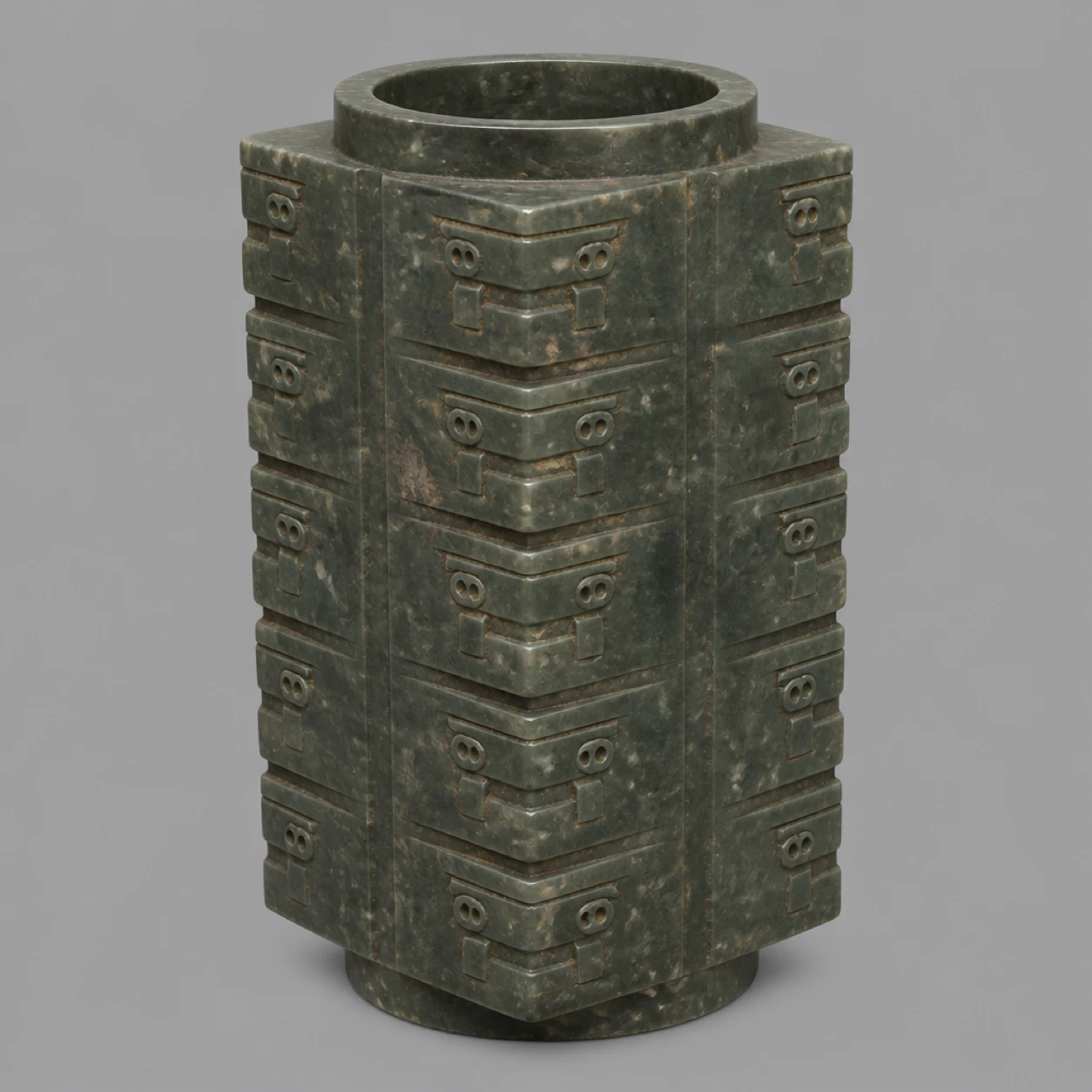
- Jade Cong: Square Outside, Round Within Elite Liangzhu graves held this square jade tube with a circular bore. The Met cong 2004.52 is 25.4 cm of nephrite with stacked corner masks.
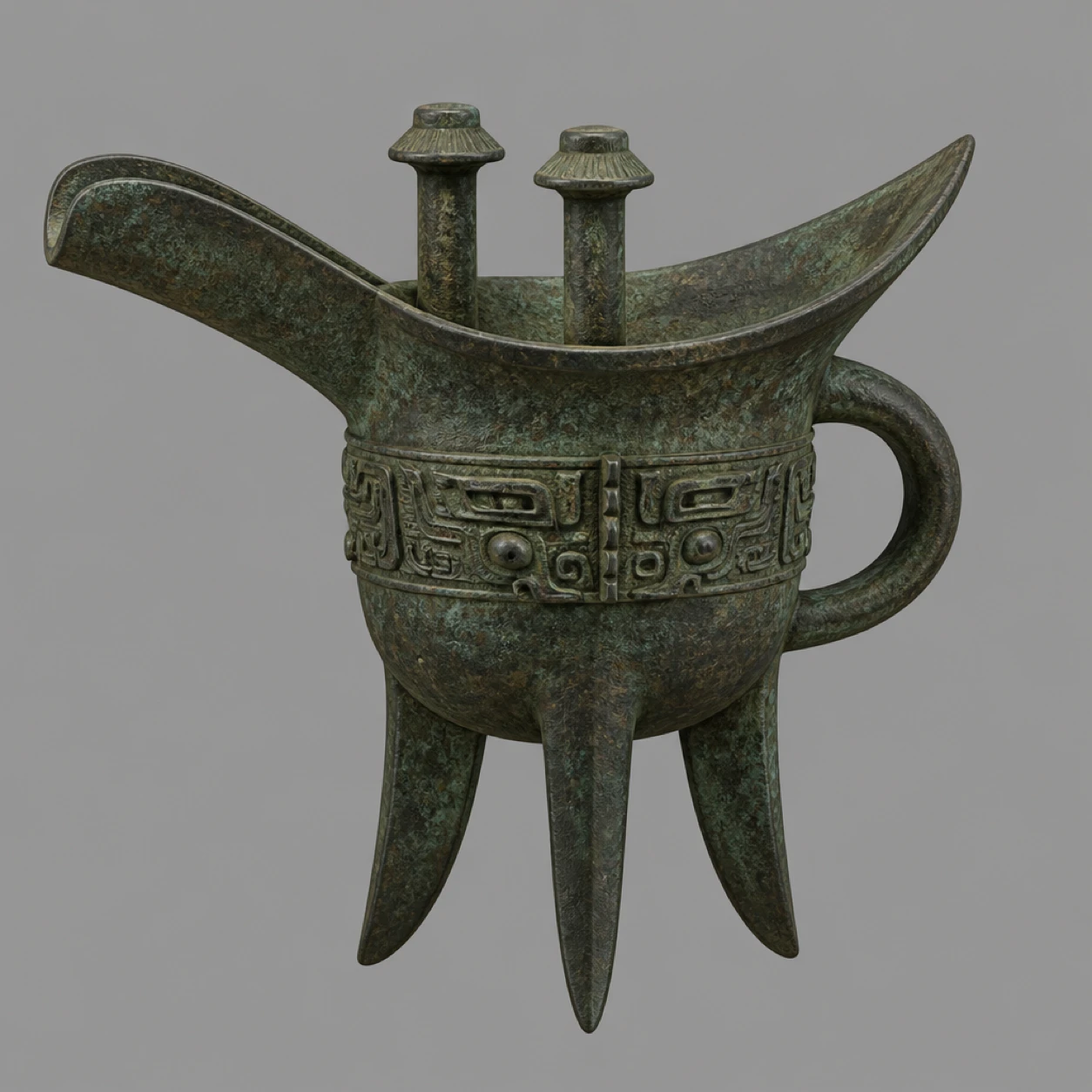
- What Is a Jue? China's Spouted Bronze Ritual Cup Anyang graves pair this spouted tripod with a tall gu. The Met's 12th-century BCE bronze in Gallery 207 still carries a clan sign under the handle.
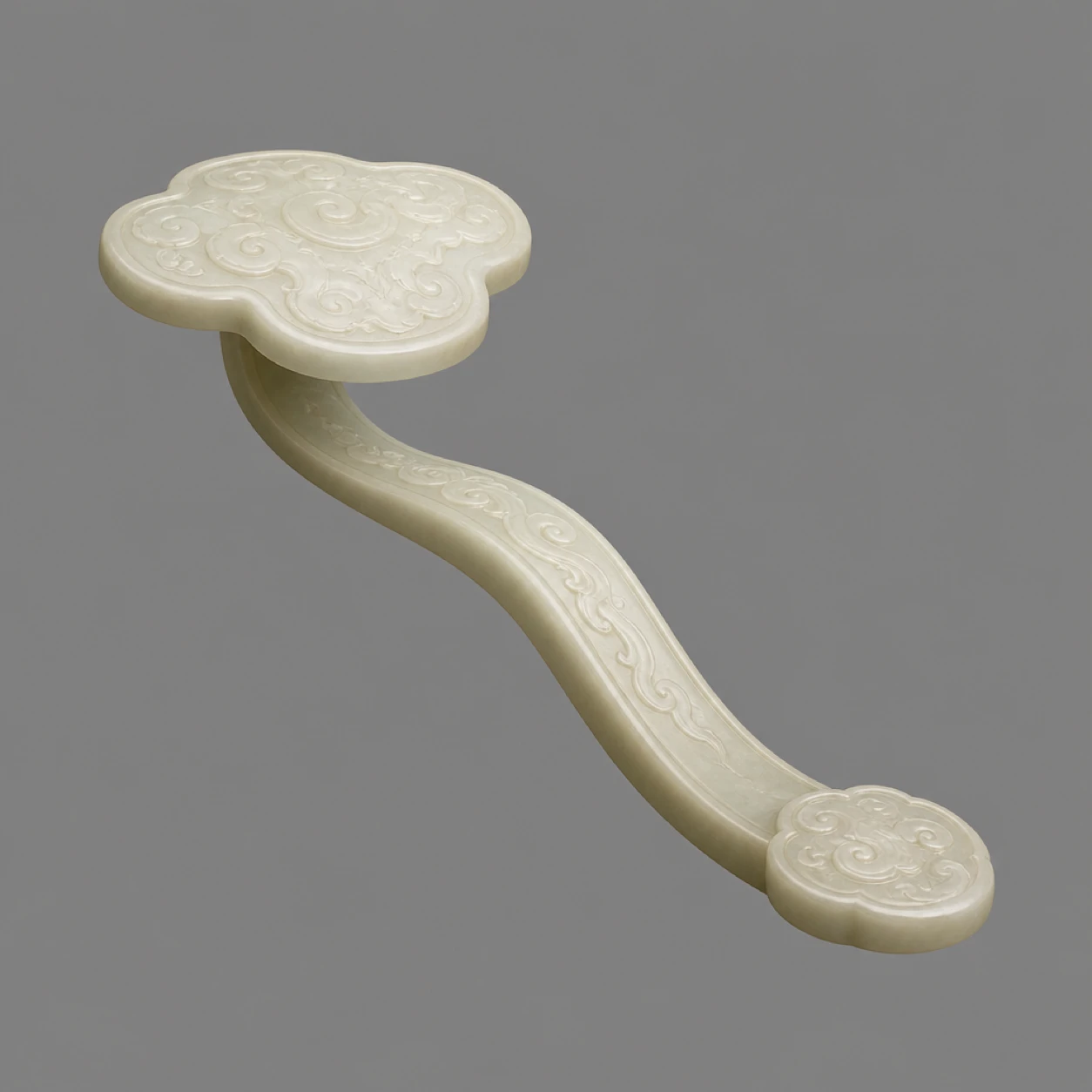
- What Is a Ruyi? China's Wish-Granting Scepter Qianlong had a poem cut into a bamboo ruyi about 1756. The Met's 18-inch nephrite 02.18.446 is the jade court type, a Bishop gift from 1902.
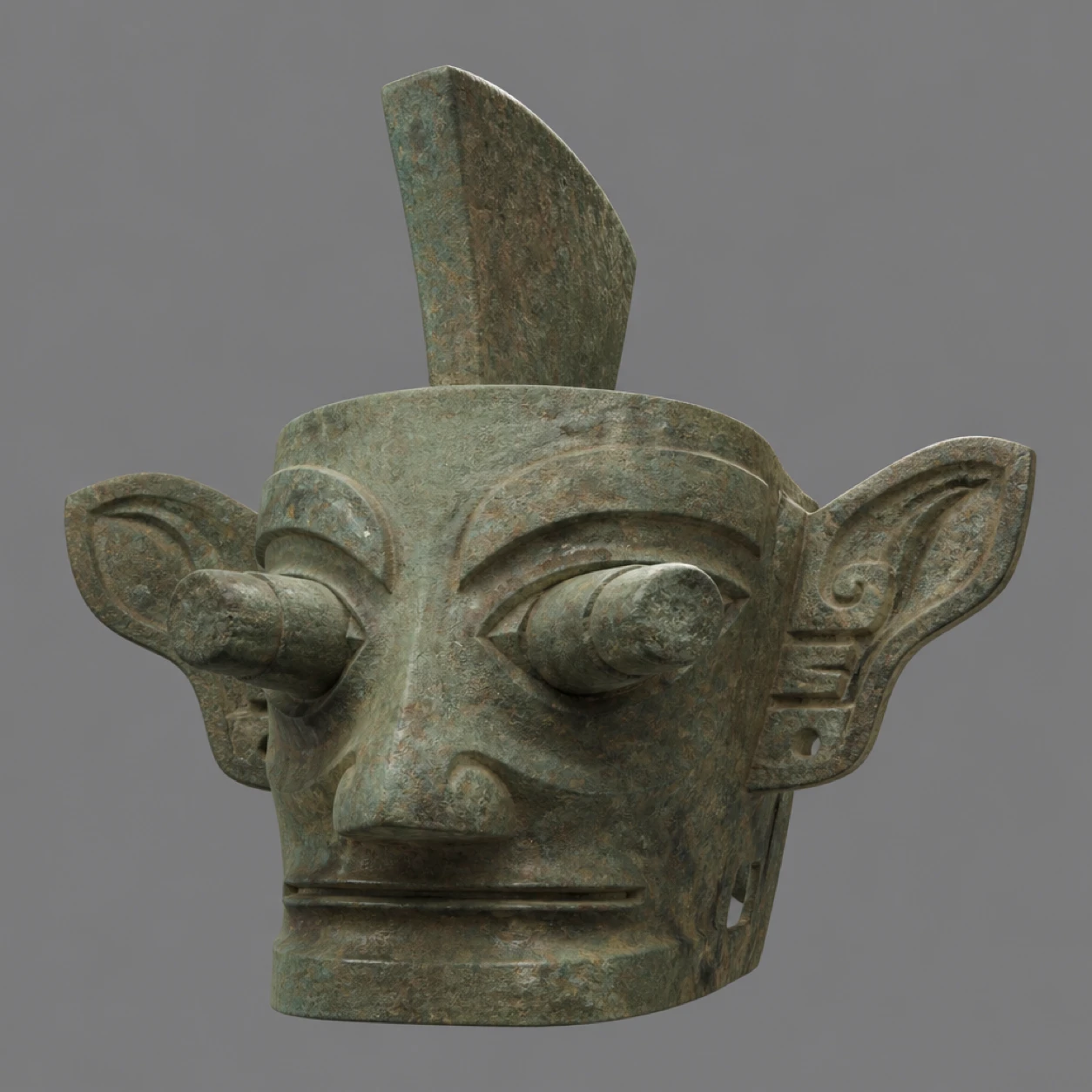
- The Sanxingdui Bronze Mask: A Face From Sichuan Brick workers at Sanxingdui, 40 km from Chengdu, opened two pits in 1986. One mask later shown at the Met is 66 cm high.
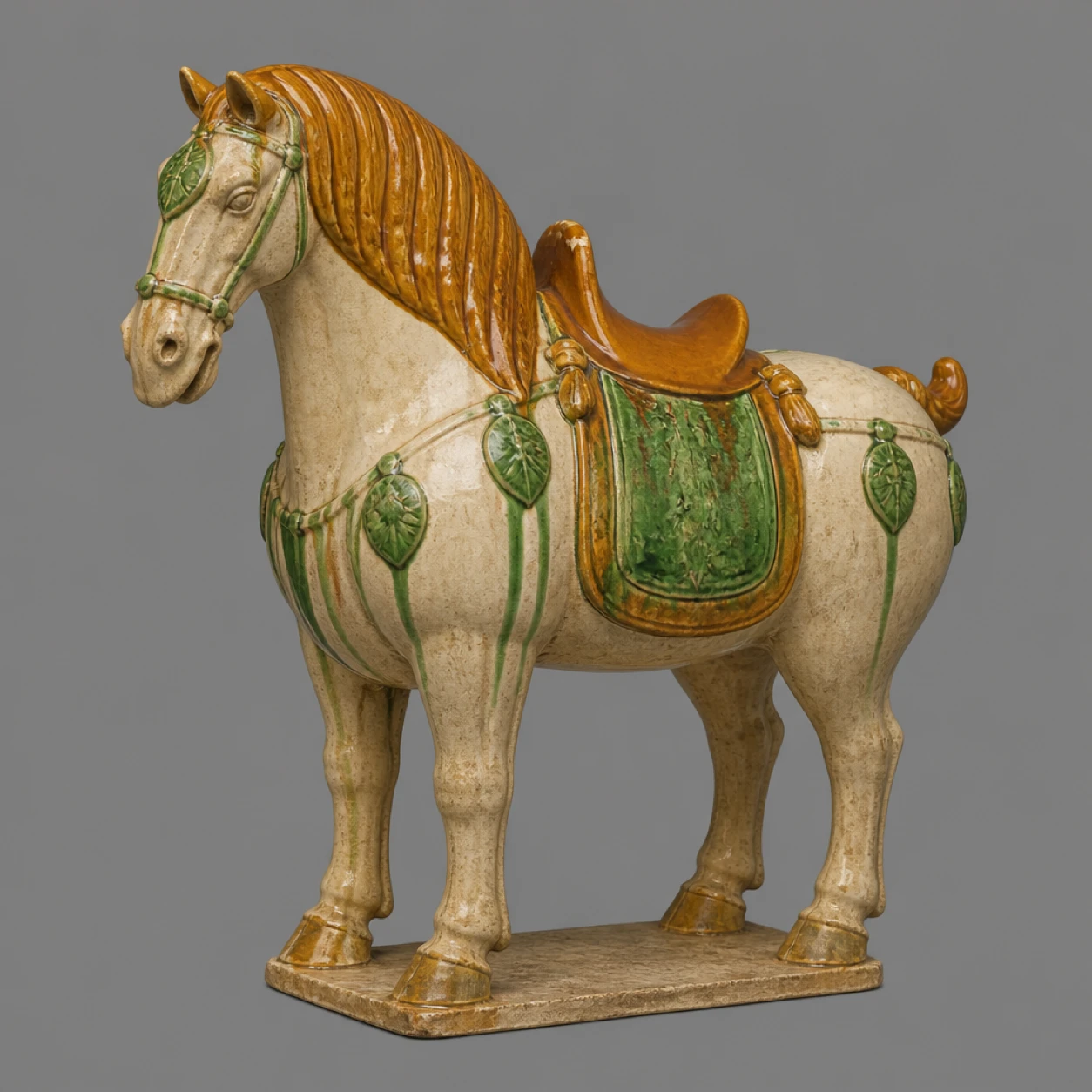
- The Met's Sancai Horse 1991.253.12: A Tang Mingqi Earthenware with cream, amber, and green glaze, this late 7th to 8th century tomb horse stands 73.7 cm high in the Met's Gallery 207.
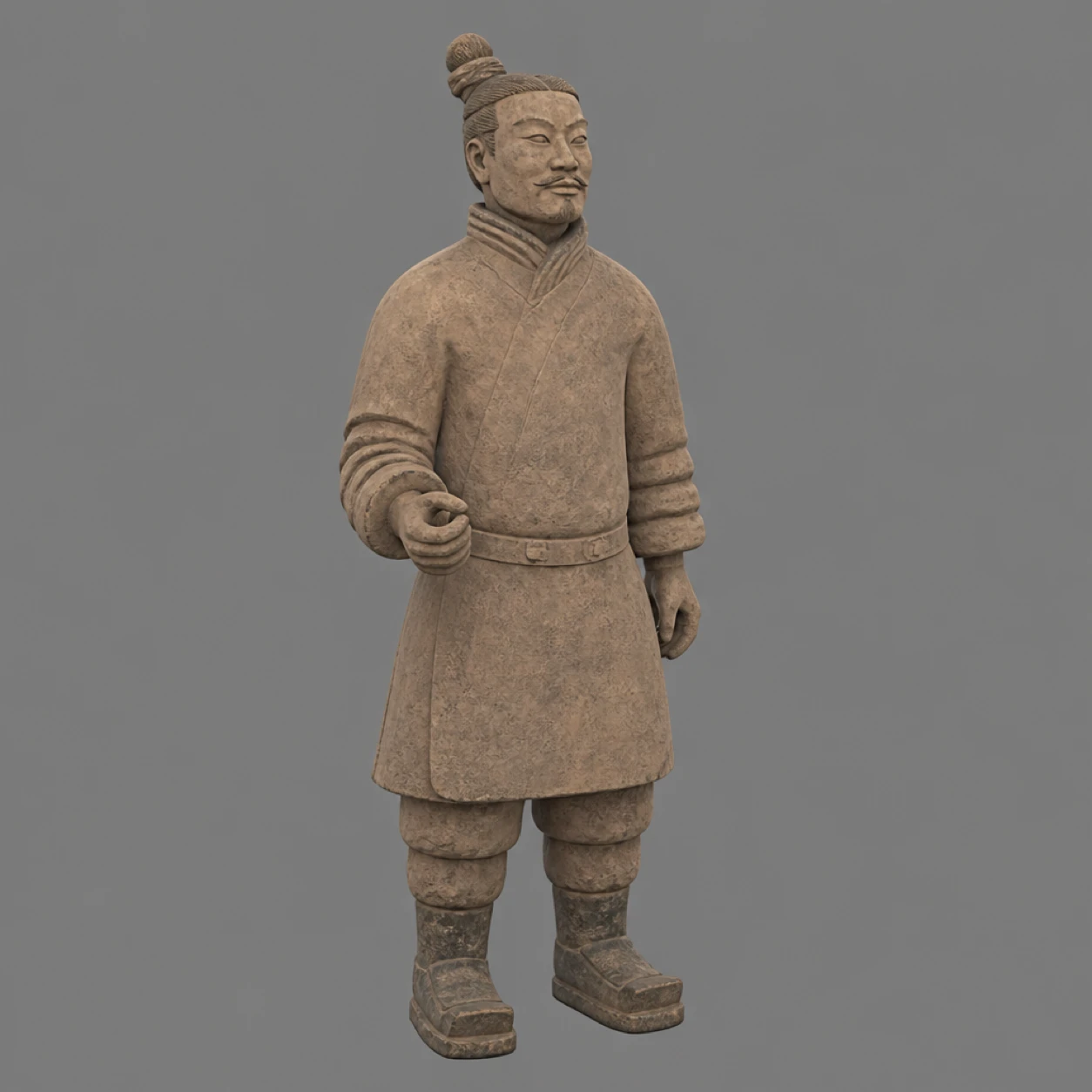
- Terracotta Warrior: Qin Shi Huang's Army Facing East In March 1974 farmers drilling a well near Xi'an struck a clay head. Qin Shi Huang's eastern army still faces the old enemy states.
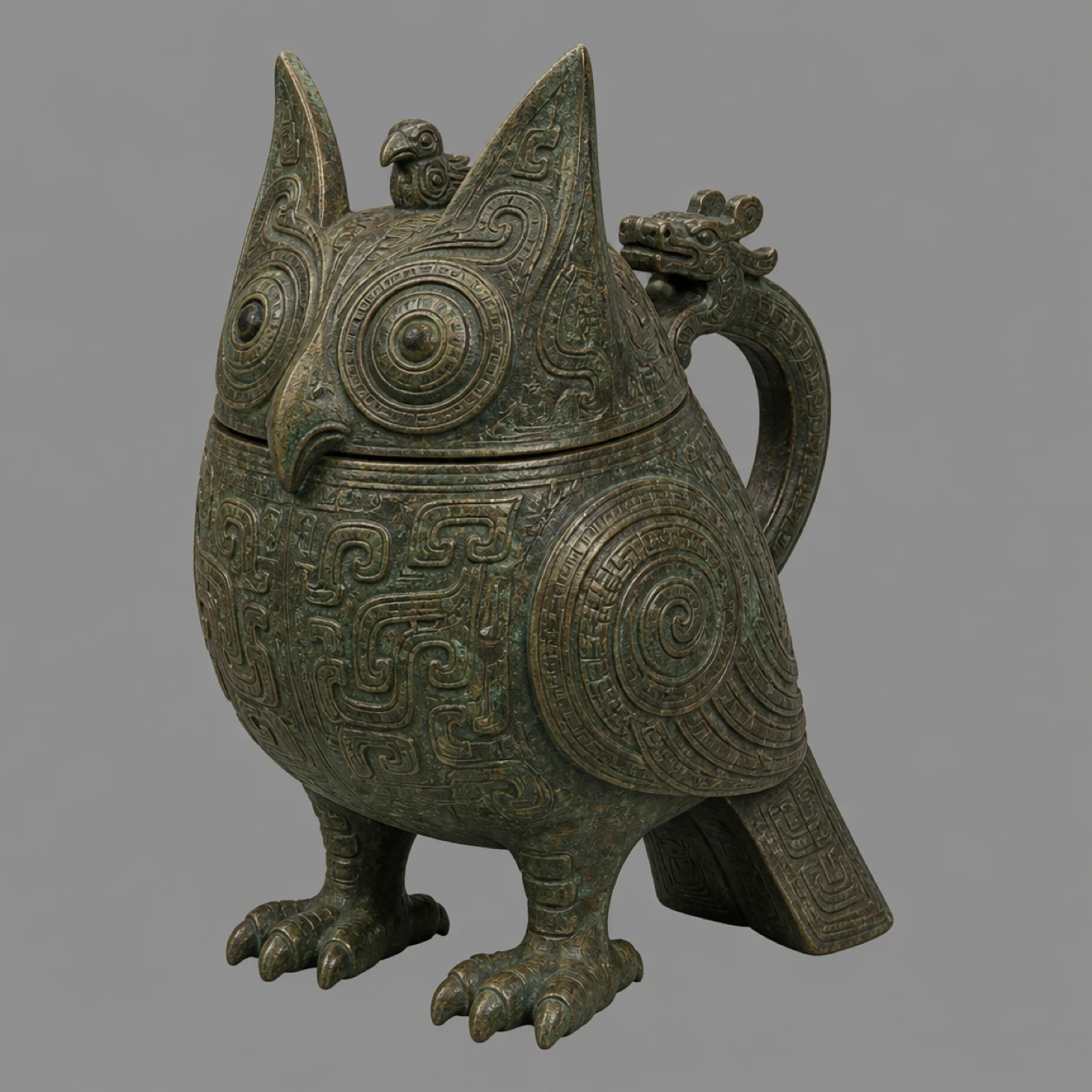
- Owl Zun: A Shang Wine Vessel With a Bird's Body Late Shang casters poured ritual wine into bronze owls. The Art Institute of Chicago bird-shaped zun is 15.9 cm high with a lid on its back.